2026 Fabric Trends: How Practical Textiles Are Shaping the Next B2B Market
As the global textile and apparel market moves into 2026, one message is becoming increasingly clear: fabric trends are no longer driven by novelty, but by usability, consistency, and scalability.
For years, trend discussions focused on eye-catching concepts—new textures, bold visuals, or experimental materials designed to stand out on social media. Today, however, B2B buyers are asking more grounded questions:
Can this fabric be produced consistently? Can it scale? Will it perform well after repeated use? And most importantly, will it continue to sell?
These shifts are redefining how brands and manufacturers approach fabric sourcing. In 2026, the most successful materials will not be the most complicated ones, but those that combine comfort, structure, durability, and supply-chain reliability. This is why many so-called “classic fabrics” are not disappearing—instead, they are being refined and repositioned for modern demand.
From Trend-Led to Demand-Led: What Is Really Changing in 2026
One of the biggest changes in the fabric market is not aesthetic—it is behavioral. Consumers across apparel, home textiles, and lifestyle categories are prioritizing wearability and ease of care over visual novelty. Comfort is no longer a premium feature; it is a baseline expectation.
At the same time, brands are becoming more cautious with inventory risk. Instead of chasing short-lived trends, they are building collections around materials that can be reordered, extended into multiple product lines, and sold across seasons.
This convergence of consumer expectations and buyer strategy is shaping the core fabric trends of 2026.
Comfort as a Foundation, Not a Feature
In both apparel and home textiles, tactile experience plays a growing role in purchasing decisions. Fabrics that feel soft, warm, and familiar continue to perform well—especially in categories where emotional comfort matters.
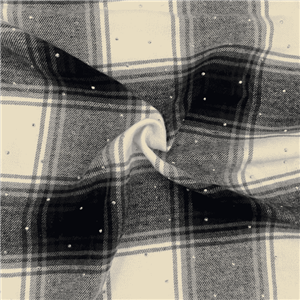
This is why brushed and soft-touch materials remain essential in autumn and winter collections. Flannel fabric, for example, continues to hold strong demand due to its warmth, softness, and versatility. Rather than being treated as a “seasonal trend,” flannel has become a long-term staple used in shirts, loungewear, sleepwear, and even home textile applications.
In 2026, flannel is evolving through improved yarn quality, reduced pilling, and better color consistency—enhancements that make it even more suitable for large-scale B2B production and repeat orders.
Visual Stability: Why Classic Patterns Still Matter
While fashion cycles move quickly, visual familiarity remains a powerful commercial advantage. Buyers and end consumers alike gravitate toward patterns that feel recognizable, adaptable, and low-risk.
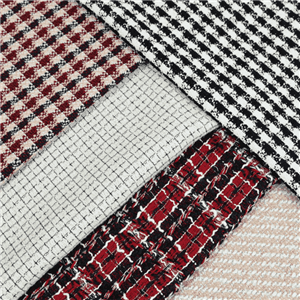
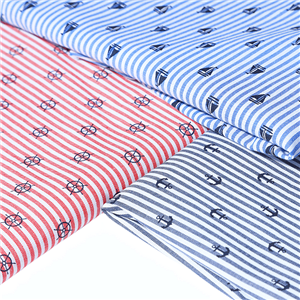
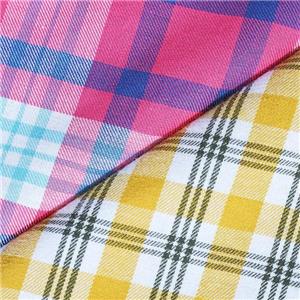
This is where check fabric and stripe fabric continue to play a critical role. These patterns are not tied to a single season or demographic. Instead, they serve as design foundations that can be easily adapted across shirts, outerwear, bedding, table textiles, and decorative applications.
In 2026, the trend is not about louder patterns, but about clean structures and balanced colorways. Yarn-dyed checks and stripes, in particular, offer better color depth and long-term visual stability—key factors for brands building cohesive collections.
Lightweight, Breathable, and Easy to Maintain: The New Spring–Summer Standard
As spring and summer collections expand into more lifestyle-oriented categories, fabric performance becomes even more important. Lightweight materials must not only breathe well, but also maintain shape and appearance after washing.
This is why poplin fabric remains a foundational choice for shirts, uniforms, and children’s wear. Its smooth surface, tight weave, and production stability make it one of the most reliable fabrics for large-volume programs.
At the same time, textured summer fabrics are gaining renewed attention. Seersucker fabric, with its natural puckered structure, offers built-in airflow and wrinkle resistance—qualities that align perfectly with modern expectations for easy-care garments. In 2026, seersucker is increasingly used in neutral and muted tones, making it suitable for both casual and semi-structured designs.
Texture Over Print: The Rise of Woven Detail
One of the most noticeable fabric trends heading into 2026 is the shift from surface decoration to woven texture. Brands are looking for ways to elevate products without adding complex printing processes or increasing production risk.
Dobby fabric responds directly to this demand. By using subtle woven patterns, dobby fabrics introduce depth and refinement while remaining cost-effective and production-friendly. They are especially popular in shirts, light outerwear, and interior textiles where understated detail adds perceived value.
Similarly, jacquard fabric continues to be a strong choice for brands seeking design impact with structural integrity. Because patterns are woven directly into the fabric, jacquards offer durability, consistency, and scalability—making them ideal for both fashion and home décor markets.
Natural Appeal with Commercial Adaptation
Sustainability and natural aesthetics remain important in 2026, but the market is moving toward practical interpretations of these values. Rather than purely rustic materials, buyers prefer fabrics that balance natural texture with improved performance.
Linen fabric fits this narrative well. Its breathable structure and organic appearance make it a favorite for warm-weather apparel and home textiles. Increasingly, linen is blended with other fibers to reduce wrinkling and improve softness, allowing brands to maintain a natural look without sacrificing comfort or usability.
Denim: A Category That Continues to Evolve
Few fabrics have the longevity and global reach of denim fabric. In 2026, denim remains a cornerstone material—not only in traditional jeans, but across shirts, dresses, and even home textile applications.
The evolution of denim is subtle but significant. Lighter weights, softer finishes, and improved drape are expanding its use beyond workwear into lifestyle-focused categories. For B2B buyers, denim offers one of the most stable demand curves in the textile market, making it a strategic choice for long-term planning.
Functional Performance as an Integrated Advantage
Rather than standing alone as a category, functional fabric characteristics are increasingly integrated into everyday textiles. Easy care, wrinkle resistance, durability, and comfort enhancement are no longer niche features—they are becoming expected standards.
In 2026, functional performance is less about extreme specifications and more about practical benefits that enhance daily use. This approach allows brands to improve product value without overcomplicating design or production, aligning perfectly with the needs of scalable B2B supply chains.
What This Means for B2B Buyers in 2026
The fabric trends shaping 2026 point toward one clear conclusion: reliability is the new innovation.
The most commercially successful materials are those that:
Perform well in real-world use
Support repeat production and consistent quality
Adapt easily across multiple product categories
Balance aesthetics with manufacturability
Classic fabrics such as flannel, checks, stripes, poplin, denim, and linen are not fading—they are being refined. Structural fabrics like dobby and jacquard are gaining importance as tools for subtle differentiation. Functional attributes are quietly becoming essential rather than optional.
Looking Ahead: Building Collections That Last
For brands, manufacturers, and sourcing professionals, 2026 is less about chasing the next big idea and more about building collections that endure. Fabric choices that align with long-term demand, stable production, and broad application will continue to outperform short-lived trends.
By focusing on materials that combine comfort, structure, and practicality, B2B buyers can reduce risk while strengthening product competitiveness in an increasingly selective global market.