
Is Woven Fabric Good for Clothing Compared With Knit Fabric or Non Woven Fabric?
Choosing the right fabric is one of the most important decisions in clothing design and manufacturing. Fabric structure directly influences how a garment looks, feels, performs, and lasts over time. Among the many options available, woven fabric continues to play a dominant role in the apparel industry.
But when compared with knit fabric and non woven fabric, is woven fabric truly good for clothing? To answer this question clearly, we must first understand how these fabrics differ, and then examine why woven fabric remains so widely used in apparel applications.
Understanding Fabric Types: Woven, Knit, and Non-Woven
To understand why certain fabrics perform better in clothing, we first need to fully understand these fabrics themselves. Different fabric structures and manufacturing methods directly affect how garments behave during wearing, washing, and long-term use. By clarifying these fundamental definitions, we can more accurately evaluate which fabrics are most suitable for clothing.
What Is Woven Fabric?
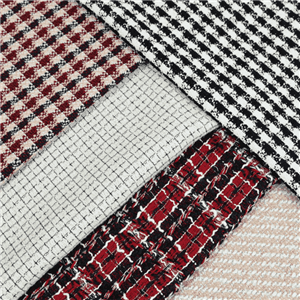
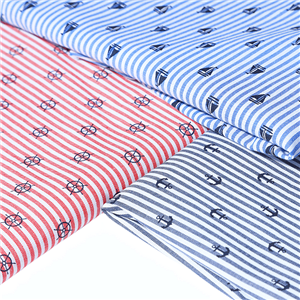
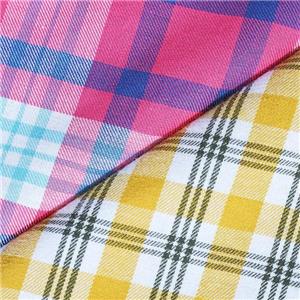
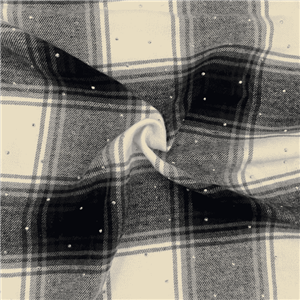
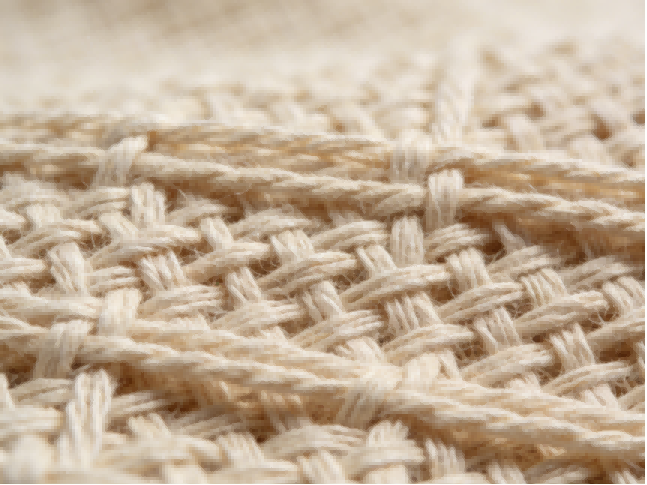
Woven fabric is a type of textile fabric produced by interlacing two sets of yarns—warp and weft—at right angles. This construction creates a stable and structured woven fabric material with excellent strength and dimensional stability.
Because of this structure, woven fabric for clothing maintains its shape, resists deformation, and supports precise garment construction. Common woven fabric types used in apparel include cotton woven fabric, linen woven fabric, polyester woven fabric, and blended woven fabric textile options.
These fabrics are widely applied in shirts, trousers, dresses, and outerwear where structure and durability are essential.
What Is Knit Fabric?
Knit fabric is made by forming interlocking loops of yarn rather than crossing yarns. This looped structure allows the fabric to stretch and recover easily, making knit fabric suitable for garments that emphasize flexibility and comfort.
Knit fabrics are commonly used in casual wear, T-shirts, and activewear. However, compared with woven fabric clothing, knit fabric generally offers less structural stability, which limits its application in tailored or structured garments.
What Is Non Woven Fabric?
Non woven fabric is created by bonding fibers together through mechanical, thermal, or chemical processes instead of weaving or knitting.
While non woven fabric plays an important role in technical, medical, and industrial fields, it is rarely used as a primary fabric for clothing. This is because non woven fabric is not designed to withstand repeated wearing, washing, and long-term garment use.
In contrast, woven fabric textile is specifically engineered to meet the durability and appearance requirements of apparel production.
Key Differences Between Woven, Knit, and Non Woven Fabrics
Before focusing on advantages, it is essential to compare these fabric types across several important dimensions related to clothing performance.
Structure Differences
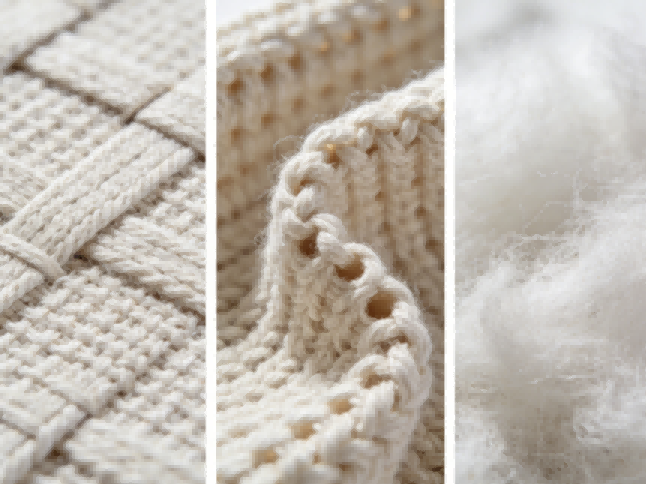
The structure of woven fabric textile is fixed and stable due to its interlaced yarns. Knit fabric relies on loops, which provide elasticity and flexibility, while non woven fabric lacks an organized yarn structure altogether.
These structural differences explain why fabrics behave very differently once they are made into garments, particularly in terms of shape retention and construction stability.
Performance Differences in Clothing
In clothing applications, woven fabric for clothing offers strong dimensional stability, meaning garments are more likely to retain their original fit and appearance over time.
Knit fabric, by contrast, emphasizes stretch and adaptability, which can affect long-term shape retention. Non woven fabric is generally unsuitable for garments that require repeated wear, washing, and mechanical stress.
Typical Clothing Applications
Woven fabrics are widely used in shirts, trousers, dresses, suits, and outerwear. Knit fabrics are commonly found in T-shirts, sweaters, and sportswear. Non woven fabrics are rarely used for conventional apparel.
This difference in application directly reflects how each fabric type is constructed and how it performs in clothing use.
Why Woven Fabric Is Widely Used in Clothing
After understanding the differences between fabric types, we can now focus on why woven fabric remains the most widely used option in apparel.
Fabric Structure and Garment Performance
The advantages of woven fabric are deeply rooted in its interlaced yarn structure, which provides consistent and predictable fabric behavior.
Shape Retention and Stability
Thanks to its construction, woven fabric material offers excellent shape retention. Garments made from woven fabric clothing maintain clean lines, resist distortion, and preserve their original form even after repeated wearing and laundering.
This stability is especially important for garments that require a polished and professional appearance.
Durability and Wear Resistance
Another key reason woven fabric for apparel is widely used lies in its durability. The tight yarn structure enhances resistance to abrasion and tearing, making woven fabric suitable for garments designed for long-term use.
As a result, clothing made from woven fabric often delivers better longevity and value.
Design Flexibility and Garment Construction
Woven fabric for garments provides superior control during cutting and sewing. The fabric remains stable throughout the manufacturing process, allowing for precise tailoring, clean seams, and consistent quality.
This makes woven fabric particularly well suited for complex garment designs and structured silhouettes.
Comfort and Versatility in Apparel
Many woven fabric textile options—especially those made from cotton and linen—offer good breathability and wearing comfort.
This versatility allows woven fabric to be used across a wide range of clothing categories, from everyday casual wear to formal and professional garments.
How to Choose the Right Woven Fabric for Clothing
Fiber Selection in Woven Fabric
Cotton woven fabric is valued for comfort and breathability, linen woven fabric enhances airflow, while polyester woven fabric improves durability and wrinkle resistance.
Blended woven fabric materials combine multiple performance benefits, allowing manufacturers to balance comfort, strength, and maintenance requirements.
Common Woven Fabric Types for Garments
Plain weave, twill weave, and satin weave are the most commonly used woven fabric types in apparel.
Each weave influences drape, texture, and strength, enabling designers and manufacturers to match fabric characteristics with specific garment applications.
Conclusion
So, is woven fabric good for clothing compared with knit fabric or non woven fabric? The answer is clearly yes.
By understanding structural differences, performance characteristics, and application scenarios, it becomes evident why woven fabric for clothing remains the foundation of the apparel industry.
Its stability, durability, design flexibility, and versatility make woven fabric the most reliable choice for garments that require quality, longevity, and a professional appearance.
FAQs
Why are woven fabrics commonly used in clothing?
Woven fabrics are widely used because they offer dimensional stability, durability, and consistent garment performance.Are woven fabrics suitable for everyday wear?
Yes. Many garments made from woven fabrics are breathable, comfortable, and suitable for daily use.What are some commonly used fibers in woven fabrics?
Cotton, linen, polyester, and blended fibers are commonly used in woven fabrics.