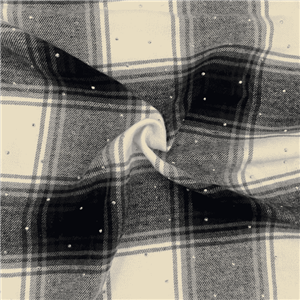
What is Flannel Fabric?
When the air turns crisp and the leaves begin to fall, our wardrobes instinctively shift toward comfort and warmth. At the heart of this seasonal transition lies one of the most beloved materials in textile history: flannel fabric. Often associated with cozy nights by the fire or rugged outdoor adventures, this material has achieved a legendary status in both fashion and home decor. However, despite its popularity, many consumers are surprised to learn that flannel fabric is defined by its texture and finish, not its pattern.
In this comprehensive guide, we will explore the technical nuances, rich history, and diverse applications of flannel fabric, helping you understand why this ancient textile remains a modern-day essential.
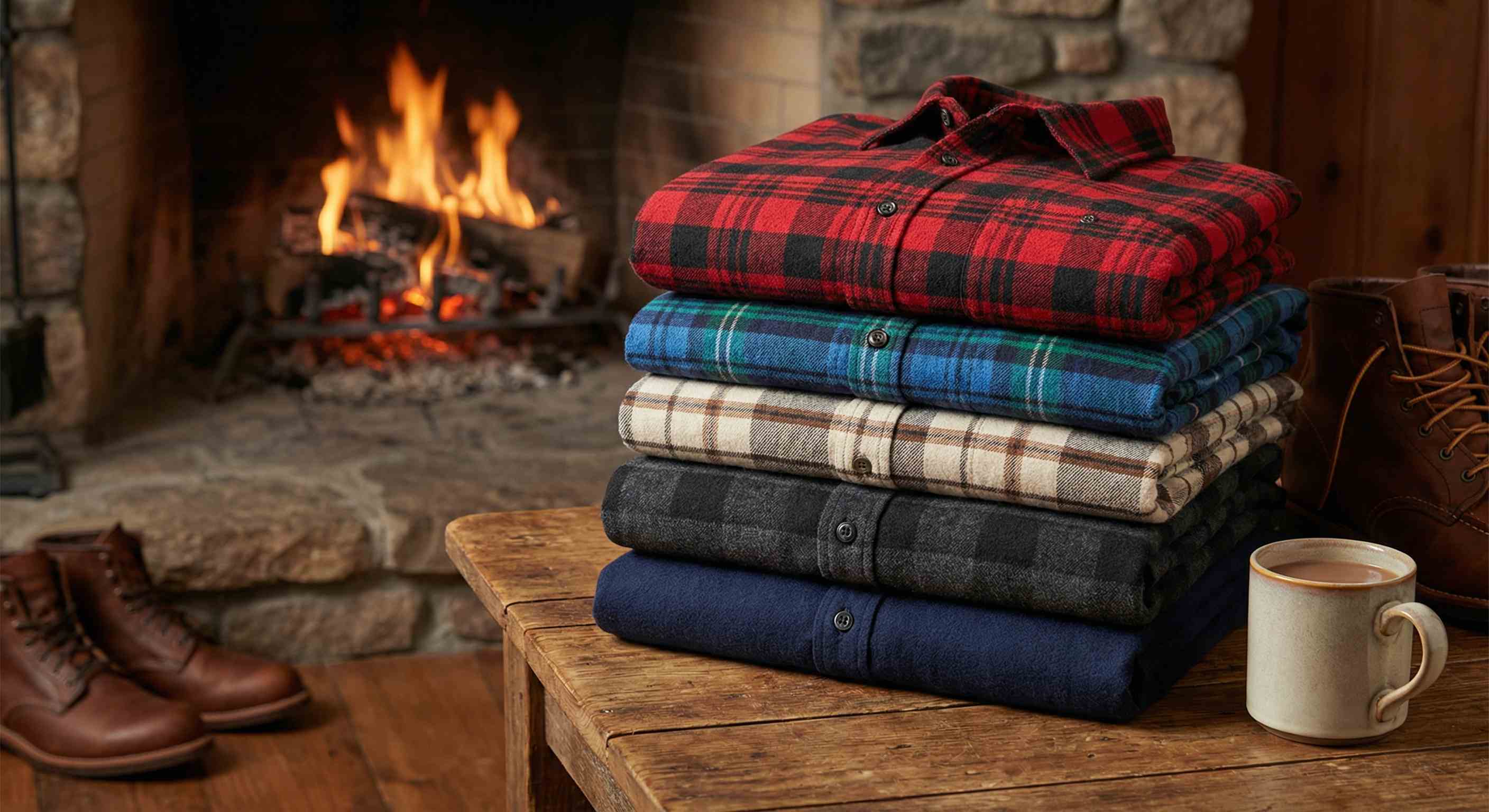
Defining Flannel: More Than Just a Pattern
The most common misconception in the textile world is that "flannel" refers to a specific checkered design. In reality, flannel fabric is a soft, medium-weight material that is defined by its finish rather than its print.
What makes flannel "flannel"? (The mechanical brushing process)
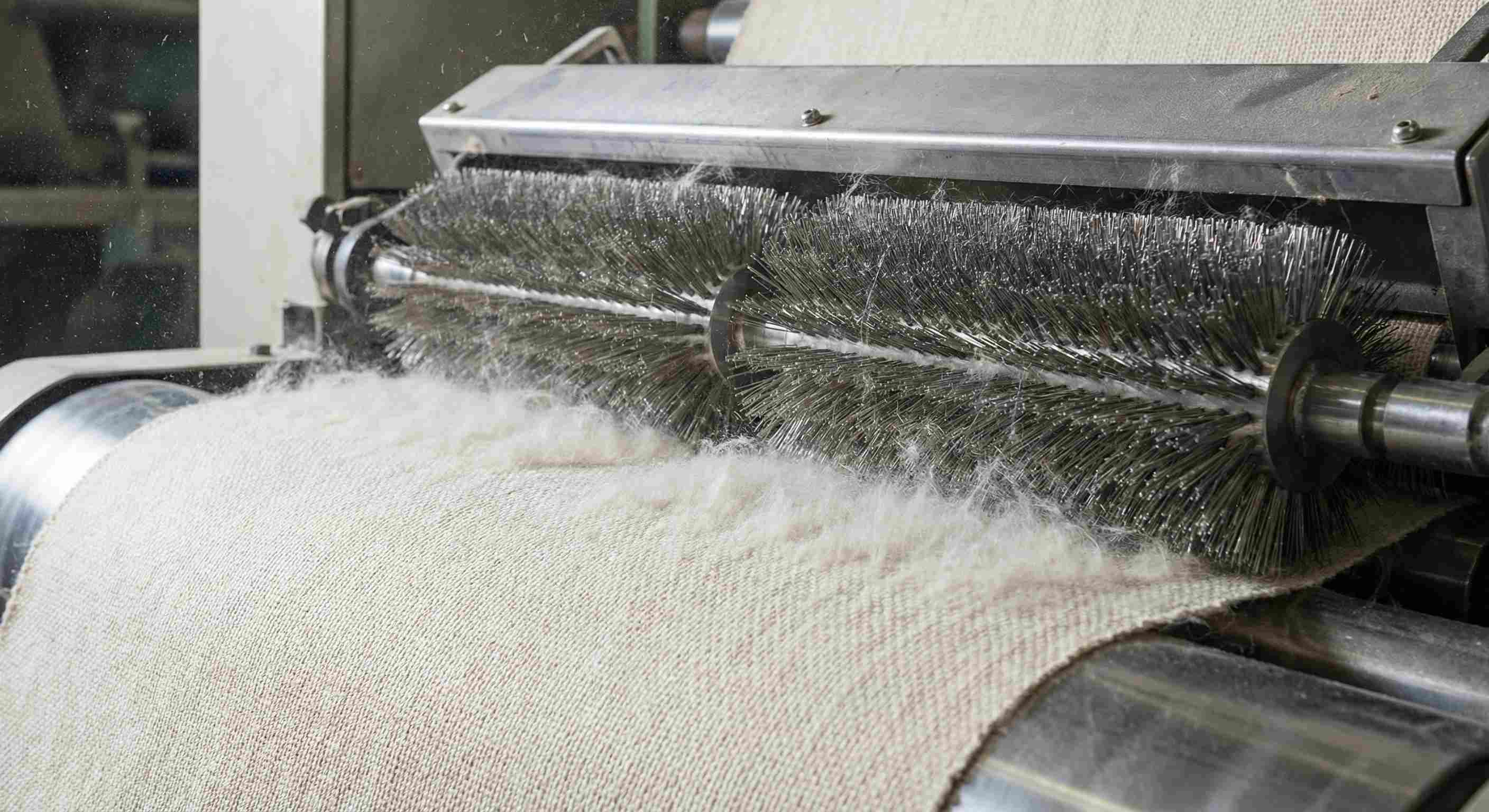
The defining characteristic of flannel fabric is its fuzzy surface, known as the "nap." This effect is achieved through a mechanical process called "brushing" or "napping." During production, the woven flannel fabric is passed over heavy cylinders equipped with fine metal brushes. These brushes gently lift the loose fiber ends from the spun yarns, creating a soft, downy surface. This process can be applied to one or both sides of the cloth, significantly enhancing the soft hand-feel of the final product.
The essential characteristic: Napping and its role in heat retention
The "nap" isn't just for comfort; it serves a vital functional purpose. By lifting the fibers, the brushing process creates millions of tiny air pockets within the flannel fabric. These pockets act as a layer of thermal insulation, trapping body heat close to the skin while simultaneously providing a barrier against the cold. This makes flannel fabric for clothing one of the most effective materials for temperature regulation in winter.
Material composition: From traditional wool to modern cotton and synthetics
While the original flannel fabric was made exclusively from wool, the modern market offers a vast array of compositions.
· Wool Flannel: Often utilizes worsted wool for a more refined, professional finish or traditional wool for heavy-duty warmth.
· Cotton Flannel: Usually made from carded cotton, this version is prized for its breathability and skin-friendly texture.
· Synthetic Blends: Modern manufacturers often mix natural fibers with polyester to improve durability and reduce costs.
The Origin Story: From 17th Century Wales to Global Dominance
The history of flannel fabric is a testament to the textile's enduring utility.
The Welsh heritage (Glanen)
The roots of flannel fabric trace back to 16th-century Wales. Known locally as glanen, the fabric was developed as a warm, durable alternative to the thin wool garments of the time. Welsh farmers found that the brushed surface provided superior protection against the damp, chilly climate of the moors.
From the working class to the "Lumberjack" look
As the Industrial Revolution spread across Europe and America, flannel fabric became the uniform of the working man. Its rugged durability made it perfect for miners, railroad workers, and loggers. By the early 20th century, the red-and-black checkered flannel fabric became synonymous with the "Lumberjack" aesthetic, a symbol of American frontier grit and hard work.
Evolution into luxury tailoring and high-fashion runways
In the mid-20th century, flannel fabric moved from the forest to the boardroom. The "Gray Flannel Suit" became an icon of corporate professionalism, utilizing high-quality worsted wool to create a garment that was both warm and incredibly sharp. Today, designers continue to use flannel fabric for clothing on runways, blending its rustic origins with avant-garde silhouettes.
Flannel vs. Plaid: Debunking the Universal Myth
To master the world of SEO and textiles, one must understand the crucial distinction of Plaid vs Flannel.
Explaining the difference between fabric (flannel) and pattern (plaid/tartan)
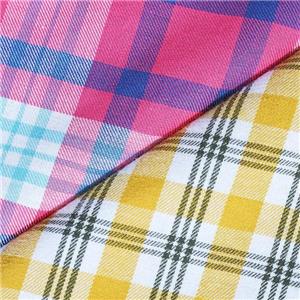
Simply put: Flannel is the fabric; Plaid is the pattern. * Plaid (or a Tartan pattern) refers to the crisscross horizontal and vertical bands of multiple colors.
· Flannel refers to the brushed, fuzzy textile.
· You can have a flannel shirt that is solid gray (no plaid), and you can have a silk shirt with a Tartan pattern (not flannel).
Why are they so often confused?
The confusion exists because flannel fabric is historically the most common material used to display a Tartan pattern. Because yarn-dyed flannel fabric holds complex checkered colors so well, the two have become inseparable in the public consciousness.
How Flannel Fabric is Manufactured: The Technical Process
Creating high-quality flannel fabric requires precision at every stage of production.
Fiber Selection & Spinning: Using carded yarns
The process begins with carded cotton or wool. Unlike "combed" yarns, which are sleek and smooth, carded yarns are slightly more chaotic. This intentional choice ensures there are plenty of loose fiber ends available to be lifted during the brushing stage, which is essential for creating a rich nap.
Weaving Styles: Plain weave vs. Twill weave
Flannel fabric can be constructed using two primary methods:
1. Plain Weave: A simple over-under pattern that creates a sturdy, functional cloth.
2. Twill Weave: A diagonal ribbing pattern. A Twill weave often results in a heavier, more luxurious flannel fabric that drapes beautifully.
The Magic Step: Brushing/Napping
As mentioned, the mechanical brushing is the soul of flannel fabric. This stage determines the "loft" of the fabric. High-end woven flannel fabric is often "double-brushed," meaning both the face and the back of the material are treated to ensure maximum softness and thermal insulation.
Finishing Touches
After brushing, the fabric undergoes treatments to improve its longevity. This includes anti-pilling finishes to prevent the fibers from bunching up and specific dyeing processes to ensure the vibrant colors of a Tartan pattern remain sharp.
Types of Flannel Fabric and Their Unique Properties
Wool Flannel
The "gold standard" for outerwear. Utilizing worsted wool, this type is frequently used for high-end winter suits. It offers incredible warmth and a sophisticated matte finish.
Cotton Flannel
The go-to for casual wear. It is characterized by its soft hand-feel and excellent moisture-wicking properties. Most of the flannel fabric used in shirts today is cotton-based.
Flannelette
A lighter, usually cheaper imitation of true flannel fabric. While it is brushed to mimic the texture, it is often thinner and less durable, frequently found in mass-market bedding.
One-sided vs. Double-brushed
One-sided brushed flannel is typically used when one side of the garment (like a shirt) needs to be smooth against other layers, while double-brushed is reserved for items where total softness is required, such as blankets or pajamas.
Key Benefits of Choosing Flannel for Winter
Choosing flannel fabric offers several distinct advantages:
· Exceptional Thermal Insulation: Its ability to trap air makes it significantly warmer than standard cotton.
· Soft Hand-feel: The brushing process removes the "itchiness" often associated with heavy wool.
· Moisture-wicking: Despite its warmth, a high-quality cotton flannel fabric allows the skin to breathe, moving moisture away from the body.
· Durability: Because of the dense woven flannel fabric structure, it resists tears and can last for decades with proper care.
Common Applications in Fashion and Home Decor
· Fashion: From the 90s "Grunge" era to modern workwear, the flannel shirt is a permanent fixture.
· Bedding: Flannel sheets are the ultimate winter upgrade, providing an instant "warm" feeling when you climb into bed.
· Home Decor: Heavier flannel fabric is used for upholstery and throw blankets, adding a cozy, rustic touch to any room.
Sustainability and Environmental Impact
As we move toward sustainable textiles, the composition of your flannel fabric matters. Wool is naturally biodegradable and renewable. Cotton, if sourced as organic, can also be a sustainable choice. Consumers should look for certifications like GOTS (Global Organic Textile Standard) or the Woolmark to ensure ethical production and high quality.
Care and Maintenance: How to Prevent Pilling and Shrinkage
To maintain the durability of your flannel fabric:
1. Wash in Cold Water: Heat is the enemy of flannel and can cause significant shrinkage.
2. Avoid High Heat Drying: Tumble dry on low or air dry to keep the nap fluffy.
3. Ironing: Generally, flannel fabric does not require ironing, as the nap hides wrinkles. If you must iron, use a low setting to avoid crushing the fibers.
Frequently Asked Questions (FAQs)
Is flannel suitable for summer? Generally, no. Its high thermal insulation makes it too warm for summer, though very lightweight cotton versions can work as light evening layers.
Does 100% cotton flannel shrink? Yes, cotton is prone to shrinking. Always wash your flannel fabric in cold water to minimize this.
How can I tell if a flannel is high quality? Check the "loft" of the nap. A high-quality woven flannel fabric will feel dense and soft, not thin or "scratchy."
Conclusion: Why Flannel Remains a Timeless Textile Choice
In a world of fast fashion and synthetic materials, flannel fabric stands out as a triumph of traditional craftsmanship. Its journey from the hills of Wales to the modern closet is fueled by its unmatched thermal insulation, iconic soft hand-feel, and rugged durability. Whether you are looking for the perfect Tartan pattern shirt or a set of warm winter sheets, choosing a high-quality flannel fabric is an investment in comfort that transcends trends.