What is Woven Fabric?
Introduction to the World of Woven Fabrics
When we look around our modern environments, textiles cover almost every surface we interact with. From the shirts on our backs to the structural canvases used in heavy industries, the global textile industry relies heavily on a fundamental construction known as woven fabric. For centuries, this physical arrangement has served as the absolute structural backbone of human civilization. Its journey spans thousands of years, moving from ancient linen shrouds discovered in Egyptian tombs to modern high-tech aerospace textiles engineered to withstand the vacuum of space.
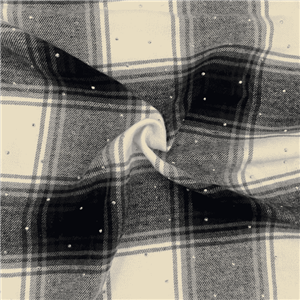
Yet, a curious truth known well by any premier woven fabric manufacturer is that the raw material itself is only half the story. While we often obsess over fiber choice—such as selecting a cozy cotton flannel fabric for a winter blanket—the performance of a textile is ultimately dictated by how it is constructed. The central concept of weaving proves that the precise geometric pattern in which individual fibers cross matters just as much as the inherent properties of the fiber itself. A single cotton yarn can become a delicate summer voile, a rugged pair of jeans, or a softly brushed flannel fabric simply by altering its internal structural network.
What Exactly is Woven Fabric? The Grid Anatomy
To truly understand what makes a woven fabric unique, we must shrink down to the microscopic level and look at its physical architecture. Unlike non-woven materials that are chemically glued or thermally bonded together, a woven textile is defined by a highly disciplined, self-supporting grid.
The Two-Yarn System: Warp and Weft
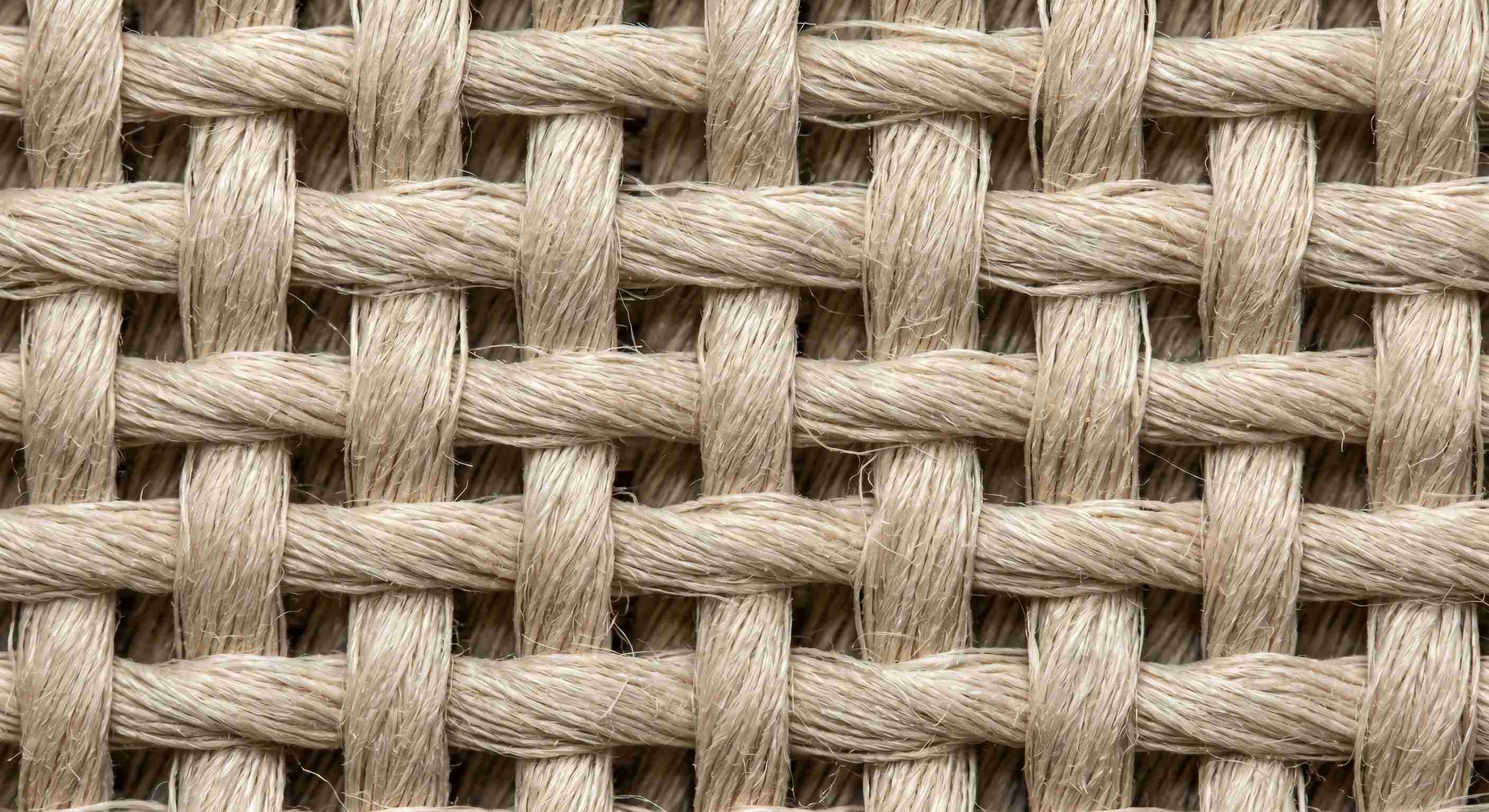
The fundamental anatomy of any woven fabric relies on an intersecting two-yarn system. These threads are organized into two distinct directional categories:
The Warp: These are the vertical threads that run lengthwise along the entire roll of cloth. During production, a woven fabric manufacturer stretches these yarns under immense mechanical tension.
The Weft: Also known as the filling yarn, these are the horizontal threads that travel across the width of the cloth, dancing over and under the stationary warp threads at precise 90-degree right angles.
The Role of Loom Weaving
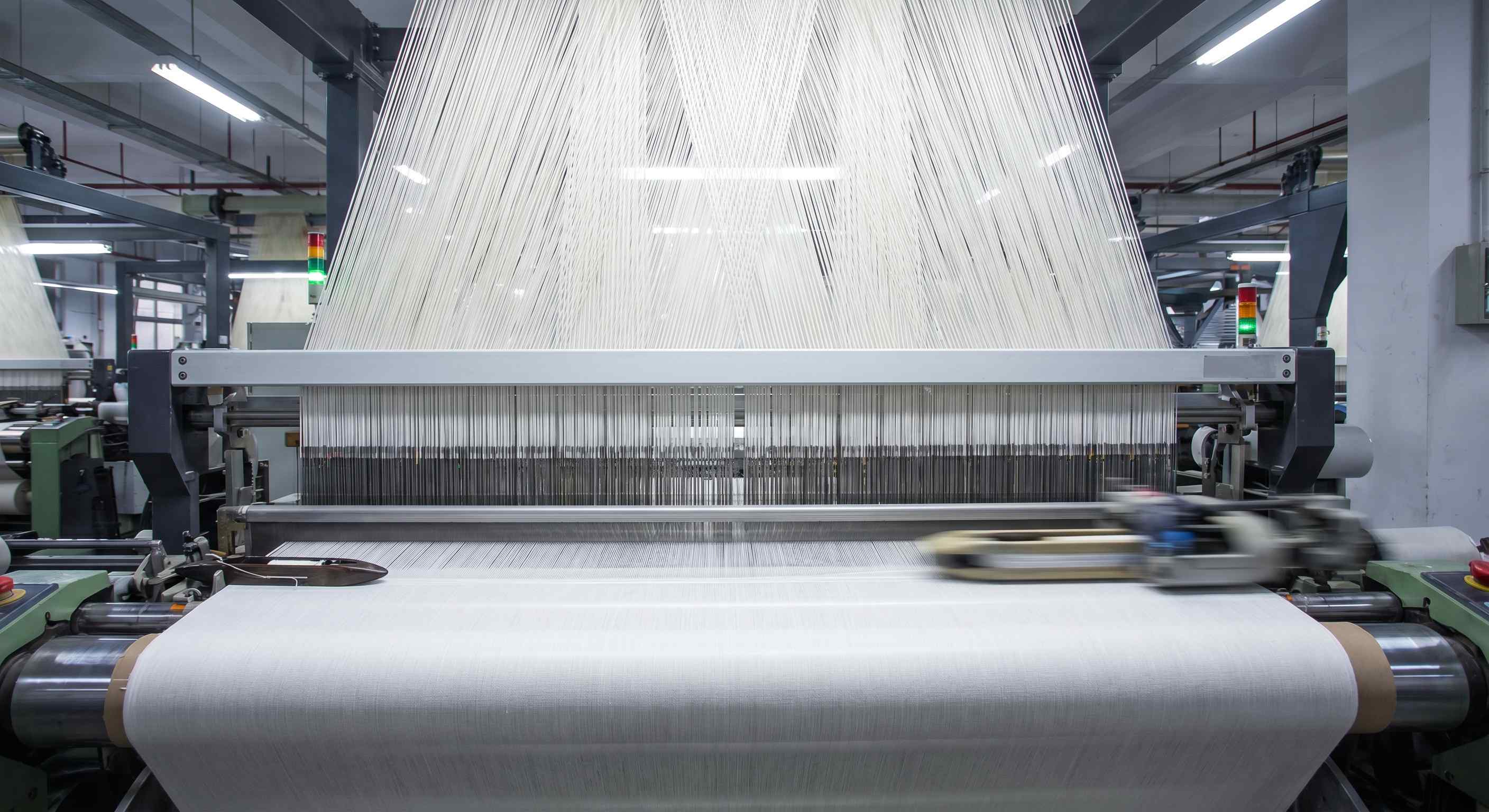
This perpendicular intersection is made possible through the process of loom weaving. Whether using a traditional handloom or a modern, high-speed computerized industrial jet loom, the machine's primary job is to create an opening between warp threads (called the shed) so the weft yarn can pass through cleanly. By locking these two thread systems together, loom weaving creates a stable, reliable fabric structure that remains securely in place without sliding apart. This structural security is why woven bases are preferred when creating premium garments, including heavy-duty work shirts and long-lasting flannel fabric apparel.
Woven vs. Knit Fabrics: The Two Pillars of Textiles
In the commercial textile industry, fabrics generally fall into one of two massive structural categories: woven or knitted. Understanding how these two pillars differ is essential for selecting the right material for any fashion, interior design, or industrial project.
The Structural Difference
The root difference lies entirely in how the yarns are interlaced. A woven fabric features straight, highly tensioned threads crossing at right angles. A knitted fabric, by contrast, is built from a single continuous yarn looped into interconnected, interlocking rows. If a woven cloth is a rigid screen window, a knit cloth is a flexible chain-link fence.
Performance and Tailoring
This architectural difference impacts how the finished textile behaves under physical stress. Knitted fabrics offer high elasticity, natural stretch, and excellent recovery, making them perfect for form-fitting t-shirts and activewear. However, they lack the structural rigidity required for complex tailoring. A woven fabric provides the excellent stiffness, crisp lines, and structural support required for high-end tailoring, heavy furnishings, and durable utility wear like traditional plaid flannel fabric coats.
A Quick Reference Table
Feature | Woven Fabrics (e.g., Denim, Poplin, Flannel Fabric) | Knit Fabrics (e.g., Jersey, Interlock, Rib Knit) |
Stretch & Elasticity | Very minimal (Unless blended with elastic fibers) | High inherent stretch and structural flexibility |
Durability | Exceptional resistance to snagging and friction | Prone to running, stretching out, or unraveling |
Ease of Sewing | Highly stable; easy to cut, pin, and sew flat | Slippery; edges curl, requires specialized needles |
Wrinkle Resistance | Prone to holding creases; requires pressing | Highly resistant to wrinkling; excellent for travel |
The 4 Main Weave Structures You Need to Know
Every master woven fabric manufacturer manipulates the warp and weft pattern to create distinct tactile characteristics. Nearly all woven materials are variations of four foundational weave patterns.
1. Plain Weave (Taffeta Weave)
The plain weave is the simplest, most historic, and most widely utilized pattern in existence. It operates on a strict, alternating "one thread over, one thread under" sequence across the entire grid. This balanced layout creates a completely flat, reversible, and highly stable surface.
Common Examples: Sturdy canvas, breathable muslin, professional poplin, and lightweight voile.
Note: When a plain-weave cotton is lightly brushed on one or both sides to lift the loose fiber ends into a soft nap, it becomes a lightweight flannel fabric.
2. Basketweave (Panama Weave)
The basketweave is a decorative variation of the standard plain weave. Instead of a single yarn crossing over another, two or more warp and weft yarns are bundled together and woven as a single unit. This creates a distinct, checkered texture that mimics the appearance of a woven basket.
Common Examples: Heavy-duty duck cloth, breathable Oxford cloth used for business shirts, and industrial sailcloth.
3. Twill Weave
The twill weave is immediately recognizable by the distinct diagonal ribbing or patterning that runs across the surface of the face. This is achieved by floating a weft thread over multiple warp yarns in a staggered, step-like progression. This diagonal configuration packs the threads tightly together, creating an incredibly dense, heavy, and abrasion-resistant fabric structure.
Common Examples: Rugged denim, smooth gabardine, heavy workwear chino cloth, and heritage wool tweed.
Note: The most durable, heavyweight flannel fabric shirts on the market—such as rugged lumberjack jackets—are woven using a twill weave base before undergoing the brushing process.
4. Satin & Sateen Weave
The satin weave represents the height of textile luxury and smoothness. This structure maximizes the length of the yarns running across the face of the cloth by allowing long "floats" of warp or weft threads to pass over four or more intersecting strands before dipping underneath. Because there are minimal thread interruptions, light reflects off the floating fibers seamlessly, producing a lustrous, brilliant sheen.
Common Examples: Liquid-smooth Duchess satin, bridal crepe back satin, and luxurious cotton sateen bedding sheets.
Technical Advantages of Woven Fabrics
Beyond its visual appeal, woven fabric dominates industrial, commercial, and household applications due to several key mechanical advantages that knitted alternatives cannot replicate.
High Mechanical Strength
Because the intersecting warp and weft threads are tightly locked together under physical tension during loom weaving, the resulting sheet of cloth possesses exceptional tensile strength. It distributes weight and physical stress evenly across its grid, making it highly resistant to high-tension ripping, tearing, or puncture when pulled tight.
Excellent Dimensional Stability
One of the main reasons a woven fabric manufacturer recommends woven construction for structured items is its incredible dimensional stability. When subjected to the friction of daily wear, repeated laundering cycles, or industrial stress, a woven material refuses to bag, sag, warp, or permanently stretch out of its original true alignment. A woven shirt will retain its sharp collar and tailored silhouette for years, just as a heavy flannel fabric duvet cover will stay square and true over hundreds of winter washes.
Compatibility with Technical Fibers
The rigid grid of loom weaving makes it highly compatible with specialized technical yarns. Manufacturers can easily feed high-performance strands—such as flame-retardant Kevlar, ultra-strong fiberglass, or carbon-conductive threads—into the loom to create protective textiles for firefighters, military applications, and composite reinforcements for industrial aerospace manufacturing.
Material Compositions: From Nature to Synthetics
A woven fabric can be created from virtually any spin-ready fiber on earth, allowing it to adapt to countless functional demands.
Natural Wovens
Woven natural fibers have been utilized since the dawn of humanity to provide biological comfort and breathability. Cotton remains the absolute king of this category, praised for its soft feel, ease of processing, and high absorbency. Cotton can be left crisp as poplin or brushed into a comforting flannel fabric. Crisp linen, harvested from the flax plant, offers unmatched coolness in tropical climates, while insulating wool provides natural water-resistance and thermoregulation during the deep winter months.
Synthetic and Performance Wovens
The invention of synthetic yarns revolutionized the modern textile industry. Using advanced polymers, chemical companies engineered high-durability polyester, ultra-strong nylon, and highly flexible elastane blends. When woven into a tight cloth, these synthetic yarns create wind-blocking outerwear, lightweight water-resistant activewear, and high-tenacity industrial fabrics that resist mildew, UV degradation, and chemical exposure far better than organic alternatives.
Diverse Applications: Where is Woven Fabric Used?
Fashion & Apparel
In our everyday wardrobes, woven construction provides the essential structure required for sophisticated tailoring. It forms the backbone of sharp professional dress shirts, rugged everyday denim jeans, structured evening gowns, and heavy winter outerwear. Even when a consumer seeks out a soft, cozy plaid shirt, they are selecting a yarn dyed fabric that has been woven on a loom before being brushed into a classic flannel fabric.
Home Furnishings & Upholstery
Woven materials completely dominate the interior design landscape. Because furniture requires textiles that can withstand thousands of hours of sitting friction without stretching out of shape, heavy-duty woven upholstery fabric is the industry standard for sofas, armchairs, and office seating. It is also the premier choice for luxury bedding sets, heavy room-darkening curtains, and elegant dining tablecloths.
Industrial & Technical Uses
Away from the home and the runway, technical wovens do heavy work in industrial settings. Tight, high-density weaves act as specialized industrial filtration systems for chemical plants. Heavy-duty technical wovens are also utilized to manufacture high-strength automotive airbags, durable seatbelts, architectural roofing membranes, and carbon-fiber reinforcement layers for advanced automotive and aerospace frames.
Care, Maintenance, and Furniture Cleaning Tips
To protect your textile investments and maintain the crisp beauty of your woven items, following proper care guidelines is essential.
Managing Fraying Edges
The single biggest vulnerability of any woven fabric is its natural tendency to develop fraying edges once it is cut. Because the warp and weft threads sit loose on open edges, they will unweave themselves if left unfinished. When working with woven material, always finish your interior seams using an overlock serger, pinking shears, or a clean French seam. When laundering woven clothing, washing on a gentle cycle inside a mesh garment bag helps prevent loose threads from catching and pulling the main body apart.
Cleaning Woven Upholstery and Home Furnishings
For heavy-duty woven upholstery fabric on home furniture, routine maintenance will extend its life dramatically:
Vacuum Weekly: Use a soft brush attachment to extract hidden dust, skin cells, and pet dander trapped between the tight warp and weft intersections before they grind down the fibers.
Blot, Never Rub: If a spill occurs, immediately blot the liquid gently with a clean, dry microfiber cloth. Rubbing a stain forces the liquid deep into the core of the fabric structure, locking it into the yarn matrix permanently.
Mind the Nap: If you are cleaning a soft, brushed woven item like a warm flannel fabric cushion cover, avoid harsh chemical fabric softeners, as they leave a film that glues the soft fibers together, destroying the loft and warmth of the material over time.
Conclusion: Why Woven Fabric Remains a Textile Superpower
In a fast-moving world where manufacturing methods are constantly changing, the timeless discipline of weaving remains an undefeated force. From its simple origins as an organic plain weave sheet to complex, multi-layered industrial composites, woven fabric offers a perfect balance of mechanical strength, dimensional stability, and design variety that no other textile class can replicate.
While specialized knits keep us comfortable during intense workouts, and cozy, brushed flannel fabric items protect us from the winter frost, it is the reliable grid of the woven structure that keeps our world securely bound together. By understanding the intricate physics of the warp and weft, partnering with a reputable woven fabric manufacturer, and choosing the right weave configuration for your specific needs, you can harness the full power of this historic textile classic. Weaving isn't merely a way to make cloth; it is an enduring masterclass in structural engineering, human utility, and timeless style.