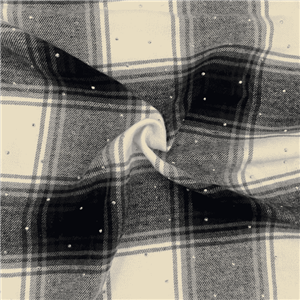
Yarn Dyed vs Printed Fabric: What's the Difference and Which Should You Choose?
For apparel brands, wholesalers, garment manufacturers, and sourcing professionals, understanding these differences is essential for selecting the right material. While Printed Fabric offers design flexibility and lower production costs, Yarn Dyed Fabric is widely recognized for its premium appearance, superior colorfastness, and long-lasting quality.
This comprehensive guide explains the differences between Yarn Dyed Fabric and Printed Fabric, compares their advantages and disadvantages, and helps you determine which option best fits your products and customers.
What Is Yarn Dyed Fabric?
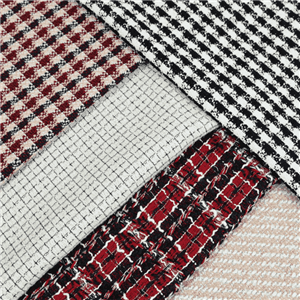
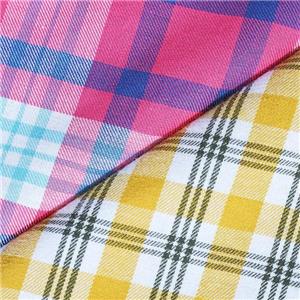
Yarn Dyed Fabric is a type of woven fabric made from yarns that are dyed before they are woven together. Instead of applying color to the finished cloth, manufacturers first dye individual warp and weft yarns and then weave them into patterns such as stripes, plaids, checks, or textured effects.
Because the color is incorporated into the yarn itself, the finished fabric has depth, dimension, and excellent color consistency. This manufacturing method is commonly used for premium shirts, dresses, uniforms, home textiles, and decorative fabrics.
A professional yarn dyed fabric manufacturer can produce a wide variety of woven constructions, including:
Check fabrics
Stripe fabrics
Chambray
Oxford fabrics
Dobby fabrics
Jacquard fabrics
Seersucker fabrics
Flannel fabrics
Unlike surface printing, the pattern becomes part of the woven fabric structure itself.
What Is Printed Fabric?
Printed Fabric is created by first weaving or knitting a plain fabric and then applying colors or patterns onto its surface through various printing techniques.
Common printing methods include:
Rotary screen printing
Digital printing
Pigment printing
Reactive printing
Sublimation printing
Transfer printing
Unlike Yarn Dyed Fabric, the design is added after the fabric has already been produced. The printed pattern sits on or penetrates into the fabric surface rather than being created by differently colored yarns.
Because of its flexibility, Printed Fabric allows designers to create almost unlimited graphics, florals, logos, photographs, and artistic patterns.
Yarn Dyed Fabric vs Printed Fabric: The Manufacturing Process
The biggest difference lies in when the color is added during production.
Yarn Dyed Fabric Process
Select fibers and spin yarn.
Dye individual yarns.
Dry and inspect the dyed yarns.
Weave colored yarns into fabric.
Apply finishing treatments.
Printed Fabric Process
Weave or knit undyed fabric.
Prepare the fabric surface.
Print designs onto the finished fabric.
Fix the dyes using heat or chemicals.
Wash, dry, and finish the fabric.
Because Yarn Dyed Fabric requires dyeing before weaving, it involves a longer and more complex production process, which generally results in higher production costs. However, it also delivers greater durability and a more premium look. (LinensNow)
Appearance: Which Looks More Premium?
One of the easiest ways to distinguish Yarn Dyed Fabric from Printed Fabric is by closely examining the yarns.
Yarn Dyed Fabric
Since different colored yarns are woven together, the pattern has:
Greater visual depth
Natural texture
Rich color variation
A refined, high-end appearance
If you look closely at a striped or checked Yarn Dyed Fabric, you can clearly see that the colored yarns create the design.
Printed Fabric
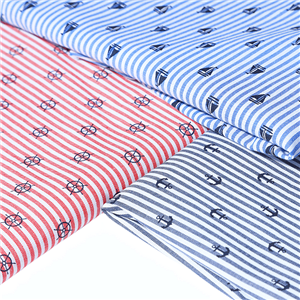
With Printed Fabric, the design is applied after weaving.
The result is:
Smooth surface appearance
Sharp graphic details
Unlimited artwork possibilities
More photographic effects
However, under magnification, you'll notice that the yarns themselves are usually the same base color, while the pattern is applied onto the fabric surface. This visual difference is one of the simplest ways to identify whether a textile is yarn dyed or printed. (LinensNow)
Durability Comparison
Durability is one of the biggest reasons why premium brands choose Yarn Dyed Fabric.
Yarn Dyed Fabric
Advantages include:
Excellent colorfastness
Better wash durability
Superior resistance to fading
Long-lasting woven patterns
High structural stability
Since the color becomes part of the yarn before weaving, repeated washing has less impact on the appearance.
Printed Fabric
Modern printing technology has improved significantly, but Printed Fabric generally experiences:
Faster fading under heavy washing
Surface wear over time
Possible cracking with certain printing methods
Reduced pattern clarity after extensive use
For garments expected to last for years, Yarn Dyed Fabric is usually the preferred option. Recent textile research also found that yarn-dyed woven fabrics generally offer stronger mechanical performance and improved comfort compared with similarly constructed post-dyed fabrics. (Taylor & Francis Online)
Color Performance
Yarn Dyed Fabric
Color advantages include:
Richer shades
Better consistency
Excellent UV resistance
Deep color penetration
Long-lasting brightness
Because each yarn is dyed individually, color appears more natural and dimensional.
Printed Fabric
Printing technology offers:
Unlimited color combinations
Complex gradients
Photo-quality graphics
Artistic illustrations
If your design requires realistic images or highly detailed artwork, Printed Fabric is often the better choice.
Pattern Possibilities
Different manufacturing methods create different design opportunities.
Yarn Dyed Fabric
Best suited for:
Stripes
Plaids
Checks
Chambray
Melange effects
Woven geometric patterns
The pattern is built into the woven fabric, creating texture as well as color.
Printed Fabric
Ideal for:
Floral prints
Animal prints
Logos
Cartoon graphics
Digital artwork
Seasonal fashion prints
Large-scale motifs
Printed designs are virtually unlimited because they are added after the fabric is produced.
How to Tell the Difference
If you receive a fabric sample and aren't sure which type it is, there are several simple inspection methods.
Examine Both Sides
With Yarn Dyed Fabric, the design usually appears clearly on both sides because the colored yarns run throughout the fabric.
With Printed Fabric, the reverse side is often lighter or less defined, depending on the printing process. (LinensNow)
Look at Individual Yarns
In Yarn Dyed Fabric, individual yarns themselves are different colors.
In Printed Fabric, the yarns usually share the same base color, while the printed design sits across the woven surface.
Check the Fabric Texture
Because the pattern is woven rather than printed, Yarn Dyed Fabric often has greater visual depth and texture.
Cost Comparison
Price is another important consideration.
Yarn Dyed Fabric
Costs are generally higher because of:
Separate yarn dyeing
Additional quality control
More complex weaving
Longer production cycle
However, the added value often justifies the investment for premium brands.
Printed Fabric
Costs are usually lower because:
Production is faster
Printing is efficient for large runs
Pattern changes are relatively simple
Sampling can be completed quickly
For budget-conscious collections or rapidly changing seasonal designs, Printed Fabric can be an excellent choice.
Best Applications for Yarn Dyed Fabric
Because of its durability and sophisticated appearance, Yarn Dyed Fabric is widely used in:
Apparel
Dress shirts
Casual shirts
Dresses
Jackets
Uniforms
Children's clothing
Home Textiles
Bedding
Pillow covers
Curtains
Table linens
Hospitality
Hotel bedding
Restaurant uniforms
Decorative textiles
Many international brands work with an experienced yarn dyed fabric manufacturer to develop customized woven patterns that reinforce their brand identity.
Best Applications for Printed Fabric
Printed Fabric is especially suitable for products requiring creative and colorful graphics.
Typical applications include:
Fashion collections
Children's apparel
Sportswear
Beachwear
Scarves
Promotional textiles
Interior decoration
Its flexibility allows designers to introduce new seasonal collections quickly.
Choosing the Right Yarn Dyed Fabric Manufacturer
If you're planning to source premium Yarn Dyed Fabric, selecting the right manufacturing partner is critical.
Look for a yarn dyed fabric manufacturer that offers:
Extensive weaving expertise
Strong dyeing capabilities
Strict quality control
OEM and ODM services
Pattern development support
Stable production capacity
International quality certifications
Sustainable manufacturing practices
A reliable manufacturer can also assist with custom stripe layouts, plaid development, color matching, functional finishes, and performance testing.
Which Fabric Is Better for Your Business?
There is no universal answer because the best choice depends on your product goals.
Choose Yarn Dyed Fabric if you need:
Premium quality
Excellent durability
Superior colorfastness
Long-lasting woven patterns
High-end shirts or uniforms
Luxury home textiles
Choose Printed Fabric if you need:
Complex artwork
Large floral designs
Fast fashion collections
Lower production costs
Small seasonal updates
Unlimited graphic creativity
Many successful apparel brands actually use both. They may select Yarn Dyed Fabric for timeless essentials such as striped shirts and checked uniforms, while using Printed Fabric for trend-driven collections and fashion statements.
Conclusion
Understanding the differences between Yarn Dyed Fabric and Printed Fabric helps buyers make smarter sourcing decisions. While Printed Fabric offers unmatched design flexibility and cost efficiency, Yarn Dyed Fabric stands out for its premium appearance, exceptional durability, and superior color performance.
Because the yarns are dyed before weaving, Yarn Dyed Fabric develops patterns that are woven into the textile itself rather than simply printed on the surface. This creates richer visual depth, better wash resistance, and a longer service life, making it an ideal choice for high-quality woven fabric used in shirts, uniforms, home textiles, and premium fashion.
For brands seeking long-term quality and distinctive textile solutions, partnering with an experienced yarn dyed fabric manufacturer ensures consistent production, reliable quality control, and the flexibility to develop fabrics that meet both functional and aesthetic requirements. By carefully evaluating your design needs, budget, and target market, you can confidently choose between Yarn Dyed Fabric and Printed Fabric to create products that deliver lasting value and customer satisfaction.