-
11-24 2025
What are the disadvantages of seersucker fabirc
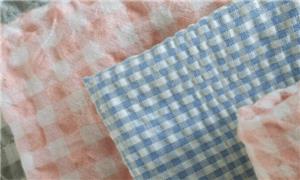
This article takes a deep, data-driven look at the disadvantages of seersucker fabric—evaluating durability, appearance retention, shrinkage, production complexity, and more. It also addresses modern trends in textile development, including the rise of seersucker fabric made of cotton or polyester, enhanced finishing techniques, and new blends trending in global markets. To help buyers make informed decisions, we compare seersucker with other woven fabrics, explore quality concerns tied to the fabtication of seersucker fabric, and analyze when brands should avoid using it.
-
10-30 2025
What Are the Benefits of Seersucker Fabric?
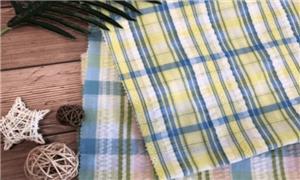
Seersucker fabric is a lightweight, puckered textile recognized for its distinctive wrinkled texture and excellent breathability. Traditionally woven from cotton, it’s widely used in apparel, home textiles, and industrial applications that demand comfort, structure, and air circulation. From 100 cotton seersucker fabric used in shirts and pajamas to checked seersucker fabric for bedding or interior décor, this material offers versatility and style. In this article, we explore its technical characteristics, performance advantages, and sustainability benefits, comparing seersucker with other woven materials to provide sourcing managers and garment manufacturers with clear data for production and procurement decisions.
-
08-29 2025
What is Seersucker Fabric
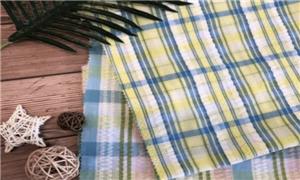
Seersucker fabric is a unique lightweight textile recognized for its crinkled texture and airy feel. Known for centuries as a summer-friendly fabric, it has gained popularity in fashion and home décor because of its comfort, breathability, and easy-care qualities. Originating from South Asia and later spreading across Europe and America, seersucker has evolved into multiple types, including cotton seersucker fabric, polyester, and blended versions. Its versatility spans from shirts and suits to curtains and upholstery. This article provides an in-depth analysis of its history, characteristics, types, manufacturing process, uses, and global market trends, offering valuable insights for buyers and textile professionals.