Industry News
-
07-23 2026
Yarn Dyed vs Printed Fabric: What's the Difference and Which Should You Choose?
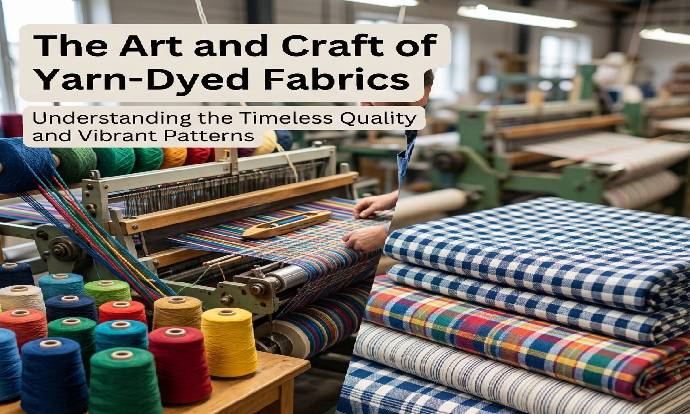
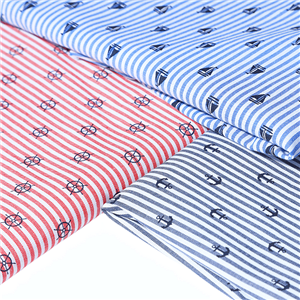
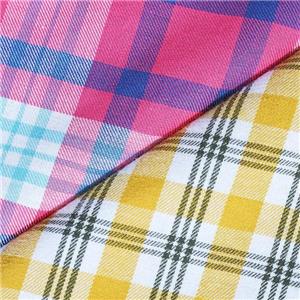
When sourcing textiles for apparel, home furnishings, or fashion accessories, one of the most common questions buyers ask is whether to choose Yarn Dyed Fabric or Printed Fabric. Although both methods create attractive colors and patterns, they differ significantly in manufacturing process, appearance, durability, cost, and end-use performance. For apparel brands, wholesalers, garment manufacturers, and sourcing professionals, understanding these differences is essential for selecting the right material. While Printed Fabric offers design flexibility and lower production costs, Yarn Dyed Fabric is widely recognized for its premium appearance, superior colorfastness, and long-lasting quality. This comprehensive guide explains the differences between Yarn Dyed Fabric and Printed Fabric, compares their advantages and disadvantages, and helps you determine which option best fits your products and customers.
-
07-14 2026
Is Yarn Dyed Fabric More Durable?
When selecting fabrics for apparel, uniforms, home textiles, and fashion collections, durability is often one of the top priorities for buyers. Whether you're a clothing brand, garment manufacturer, wholesaler, or importer, choosing the right fabric can significantly impact product quality, customer satisfaction, and long-term value. One fabric that consistently stands out for its exceptional performance is Yarn Dyed Fabric.
-
07-07 2026
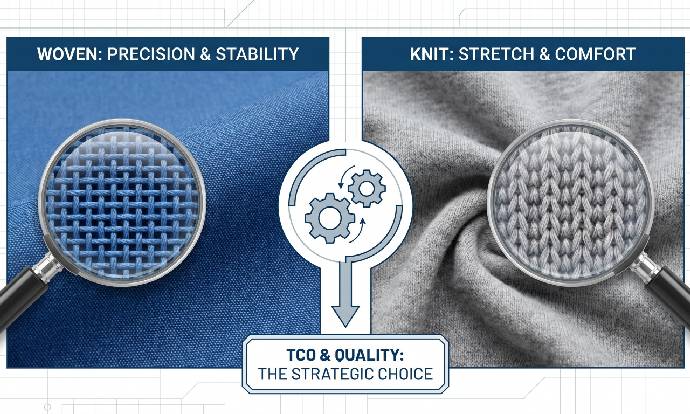
Woven Fabric vs Knit Fabric: Which One Is Better?
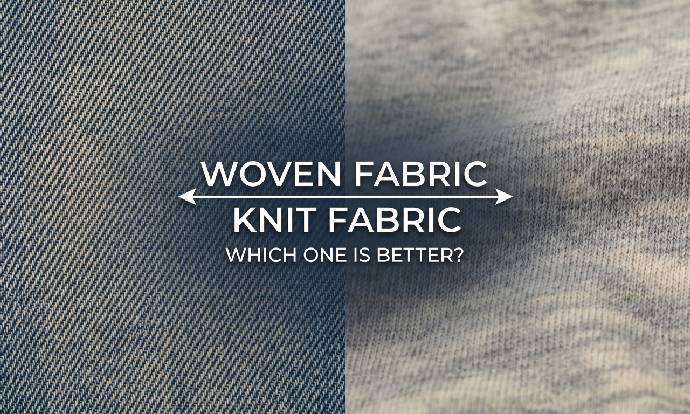
When choosing the right textile material for apparel, home textiles, or industrial applications, one of the most common questions buyers ask is: woven fabric vs knit fabric, which one is better? The answer depends on the intended use, performance requirements, production process, and final product expectations. Both fabrics have unique advantages, and understanding their differences can help brands, garment manufacturers, and sourcing companies make better purchasing decisions.
-
07-01 2026
How to Choose Woven Fabric?
To ensure the success of your project, you must look beyond surface aesthetics and understand how to properly vet a woven fabric manufacturer, communicate effectively with a woven fabric supplier, and evaluate production capabilities at the woven fabric factory level. This ultimate guide will walk you through the essential technical, structural, and sourcing parameters required to choose the perfect woven fabric for your specific needs.
-
06-24 2026
Woven vs Knitted Fabric: Which Is Right for Your Product? | Sourcing Guide
We establish a technical baseline by evaluating the structural engineering of knits versus weaves. We map these material specifications directly to apparel success criteria to determine production viability. Finally, we define the precise metrics you need to evaluate a qualified woven fabric source to protect your supply chain.
-
06-16 2026
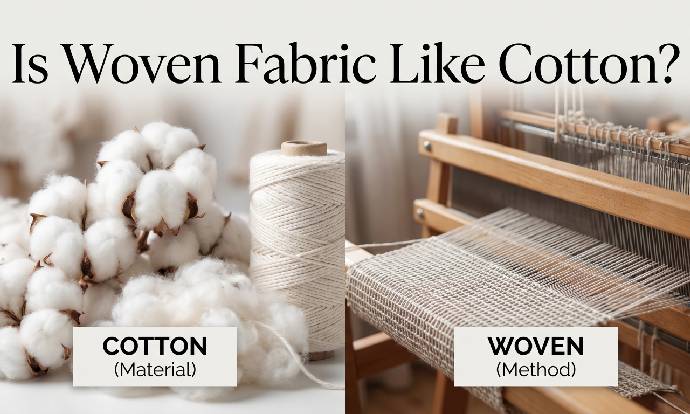
Is Woven Fabric Like Cotton?
If you are just beginning to explore the world of textiles, reading clothing labels or shopping for materials online can feel like learning a completely new language. One of the most common questions beginners ask is, "Is woven fabric like cotton?" It is an excellent question that reveals a very common point of confusion in the textile industry. To put it simply: no, woven fabric is not "like" cotton, because the two terms describe entirely different aspects of a textile.
-
06-12 2026
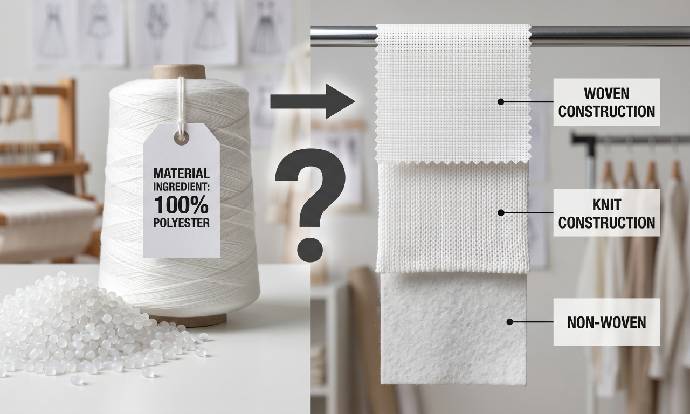
Is 100% polyester a woven fabric?
When shopping for clothing, upholstery, or crafting materials, reading the care label is usually the first step to understanding what you are buying. Often, you will come across a tag that reads "100% polyester," leading to a very common and highly searched question: Is 100% polyester a woven fabric?
-
06-03 2026
What is Woven Fabric?
When we look around our modern environments, textiles cover almost every surface we interact with. From the shirts on our backs to the structural canvases used in heavy industries, the global textile industry relies heavily on a fundamental construction known as woven fabric.
-
05-26 2026
What is Cotton Woven Fabric?
In this guide, we will dive deep into what makes cotton woven fabric unique, how it differs from other textile structures, and why it remains an undefeated favorite across the global textile market.
-
05-19 2026
Linen vs Cotton Fabric: A Comprehensive Guide to Key Differences and Best Choices
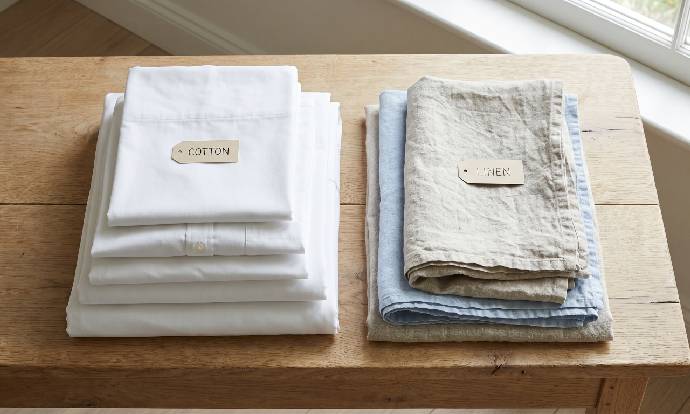
Understanding the nuances of linen vs. cotton is a completely different journey than analyzing a winter-ready flannel fabric. Both materials have dressed humanity for thousands of years, yet they offer distinct tactile experiences, aesthetic vibes, and structural benefits. Choosing between them isn't about finding a universal winner; instead, it depends heavily on your unique lifestyle, local climate, and personal taste in textiles.