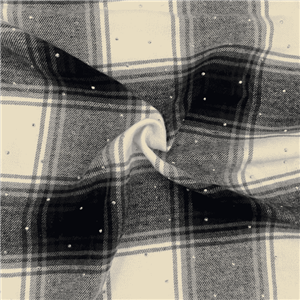
Is Woven Fabric Like Cotton?
If you are just beginning to explore the world of textiles, reading clothing labels or shopping for materials online can feel like learning a completely new language. One of the most common questions beginners ask is, "Is woven fabric like cotton?" It is an excellent question that reveals a very common point of confusion in the textile industry. To put it simply: no, woven fabric is not "like" cotton, because the two terms describe entirely different aspects of a textile.
Understanding the difference between the material a cloth is made of and the method used to create it is essential. In this comprehensive guide, we will break down the exact definitions, clear up the "fiber vs. weave" confusion, and explore what happens when you combine the best cotton fibers with the structural integrity of a woven fabric.
The Core Misconception: Comparing Apples to Oranges
Why asking "Is woven fabric like cotton?" is like asking "Is baking like flour?"
When someone asks if a woven fabric is like cotton, they are inadvertently comparing two different categories of information. Think of it in terms of cooking. Asking this question is exactly like asking, "Is baking like flour?" Flour is the raw ingredient you use, while baking is the method or process you apply to that ingredient to make a cake.
Defining the terms clarifies everything: "Cotton" is the ingredient (the raw material harvested from the earth), and "Woven" is the recipe (how the yarn is put together). A woven fabric is created using a specific fabric construction technique, and it can use almost any ingredient—including cotton fibers—to get the job done.
What Exactly is a Woven Fabric? (The "How")
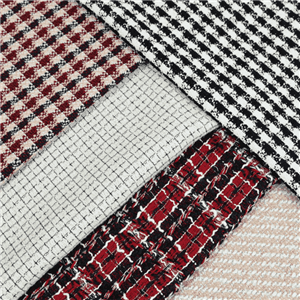
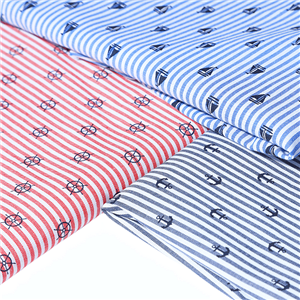
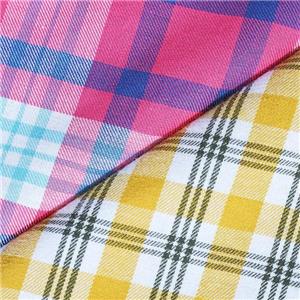
To understand what a woven fabric is, we must look at the mechanical fabric construction. A woven fabric is created on a loom through the interlacing grid of warp and weft threads. The warp threads are held vertically under high tension, while the weft threads are woven horizontally over and under the warp. This classic intersecting grid creates a highly stable, flat material.
It is crucial to clarify that a woven fabric can be made from anything. You can have a woven fabric made entirely of luxurious silk, durable polyester, warm wool, and yes, soft cotton fibers. The term woven fabric only tells you about the interlocking grid structure; it tells you absolutely nothing about what the threads are actually made of. The grid structure dictates how the material behaves, heavily influencing the fabric drape—how the material falls and hangs—and ensuring it does not stretch out of shape easily.
What Exactly is Cotton? (The "What")
If a woven fabric is the "how," then cotton is the "what." Cotton is a natural plant fiber harvested from the protective, fluffy bolls that surround the seeds of the cotton plant. Before it ever becomes a piece of clothing, it is spun into yarn.
Why is this raw material so beloved? Cotton is prized globally for its exceptional soft hand-feel, its high absorbency, and its ability to act as a breathable textile. Because cotton fibers are hollow and natural, they allow air to circulate freely around the body. When consumers ask if a woven fabric is "like cotton," they are usually asking if the woven fabric possesses the soft hand-feel and breathability that they naturally associate with cotton.
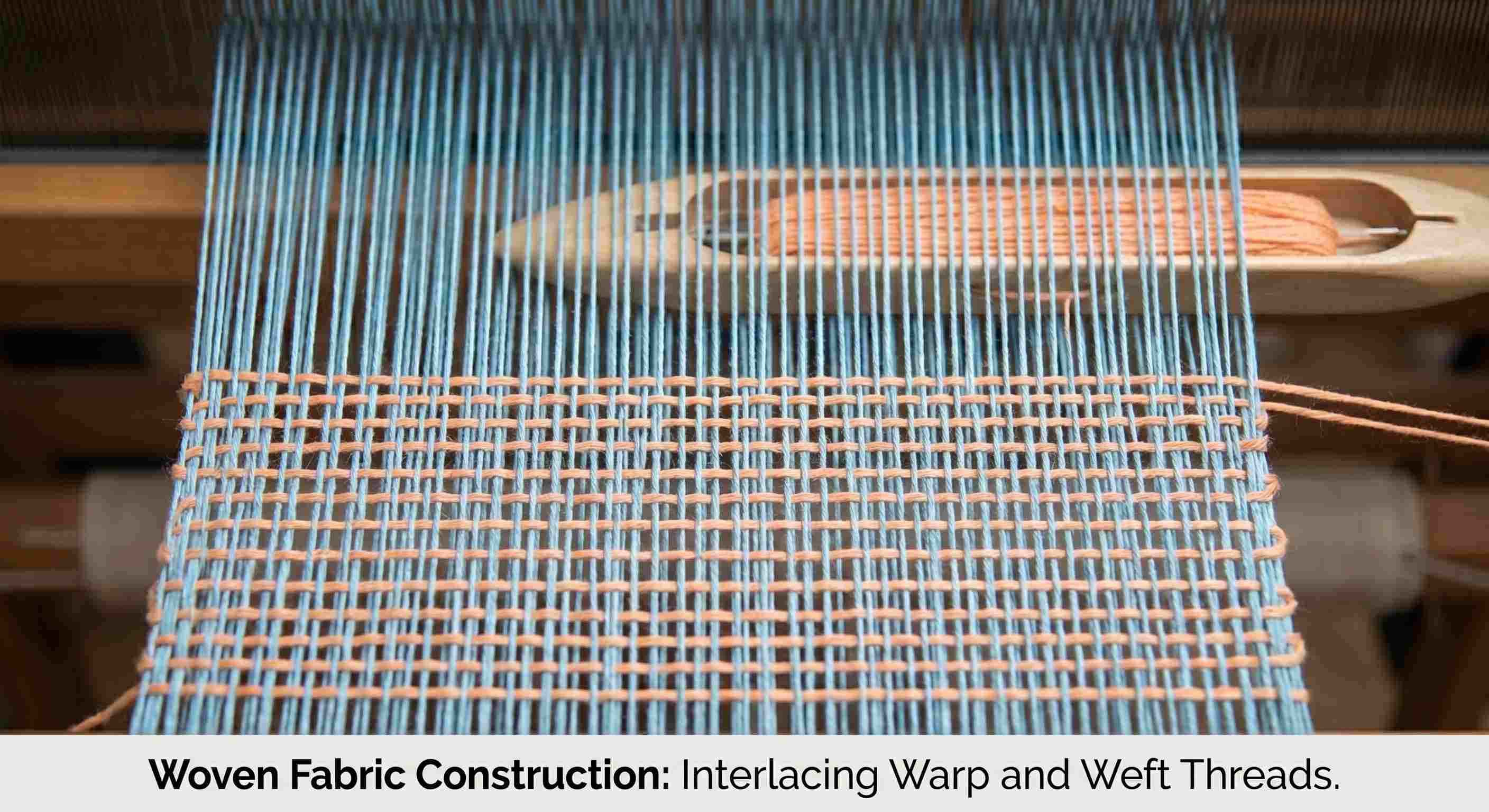
The Perfect Match: When Cotton Meets the Weaving Loom
What happens when you weave cotton? You create a woven cotton fabric. When the mechanical grid of a woven fabric is combined with the natural softness of cotton fibers, the result is one of the most versatile and reliable textiles in existence.
The benefits of a woven cotton fabric are abundant. Because of the intersecting grid, this woven fabric boasts high dimensional stability, meaning it will not stretch out, sag, or warp over time. It provides crisp lines for tailoring and excellent durability. At the same time, because the grid is made of cotton fibers, the resulting woven cotton fabric remains a highly breathable textile that is incredibly comfortable against the skin.
Popular Types of Woven Cotton Fabrics
Not every woven cotton fabric looks or behaves the same way. By altering the fabric construction on the loom, manufacturers can create diverse textiles.
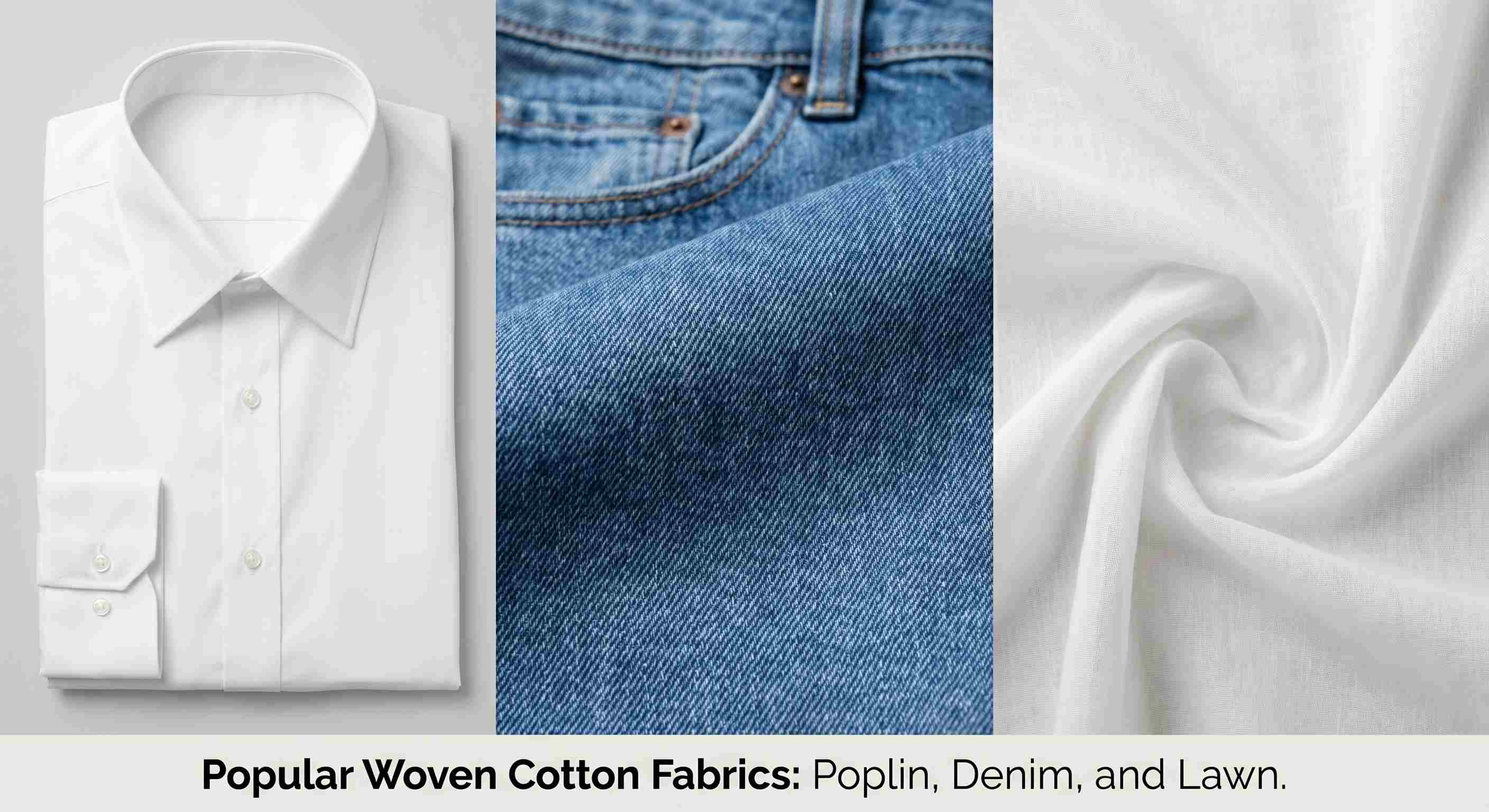
Poplin and Broadcloth: The crisp plain weaves for dress shirts.
Poplin and broadcloth are created using a plain weave, the simplest over-and-under grid. A plain weave yields a smooth, flat woven fabric that holds a sharp crease. This high dimensional stability and crisp finish make plain weave cottons the ultimate choice for professional button-down dress shirts.
Denim: The rugged twill weave classic.
Denim is a heavy woven cotton fabric constructed using a twill weave. In a twill weave, the weft thread skips over multiple warp threads, creating a diagonal ribbing pattern across the surface. This specific woven fabric structure creates unparalleled durability and a heavy fabric drape, making denim the global standard for jeans and jackets.
Cotton Lawn & Muslin: The lightweight, highly breathable textile options for summer.
By using ultra-fine cotton fibers and a loose fabric construction, weavers create cotton lawn and muslin. These variations of woven cotton fabric are sheer, lightweight, and serve as the ultimate breathable textile for hot summer dresses, baby swaddles, and breezy linings.
Woven Cotton vs. Knit Cotton: How to Tell the Difference
Because cotton fibers can also be knitted, it is important to know how to differentiate a woven cotton fabric from a knit cotton fabric.
The Stretch Factor: The easiest way to tell the difference is by pulling on the material. Why does a knitted cotton T-shirt stretch, but a woven cotton fabric button-down shirt does not? Knits are made of interlocking loops that act like springs. A woven fabric, locked in its tight grid, has zero inherent stretch, offering superior dimensional stability.
The Visual Test: Look closely at the surface. You will see the grid pattern (woven) vs. the interlocking loops (knit).
Which one to choose for your sewing projects? If you are tackling sewing projects that require structured tailoring, crisp pleats, or firm seams (like a quilt or a collared shirt), you must choose a woven fabric. If your sewing projects require stretch, form-fitting movement, and zero-zipper ease (like a sweater or leggings), choose a knit.
Are All Woven Fabrics Breathable and Soft Like Cotton?
Addressing the underlying intent behind the user's question brings us to comfort. When people ask, "Is woven fabric like cotton?", they usually mean, "Will this woven fabric feel soft and breathable?"
The answer is no, not inherently. The "feel" of a woven fabric depends entirely on the fibers used. For example, why does a woven fabric made of 100% polyester feel hot and sticky in the summer? Because polyester is a synthetic plastic that traps heat, regardless of its fabric construction. Conversely, a woven fabric made of linen or cotton breathes beautifully.
Conclusion: The "feel" of a woven fabric depends entirely on the cotton fibers (or lack thereof) used in the yarn. A woven fabric will only have that signature soft hand-feel and act as a breathable textile if it is actually a woven cotton fabric or blended with other natural fibers.
Frequently Asked Questions (FAQs)
Does woven fabric mean 100% cotton?
No, it can be synthetic. A woven fabric simply means the material is interlaced on a loom. It can be made of polyester, nylon, silk, or cotton fibers.
Is woven fabric softer than cotton?
This depends on the weave and the fiber blend. A woven fabric made of rough hemp will not have the soft hand-feel of cotton. However, a woven fabric made of fine silk may feel even softer and offer a more fluid fabric drape.
Can you use woven cotton for activewear?
No, because it lacks stretch. The high dimensional stability of a woven fabric means it restricts movement, making it unsuitable for yoga pants or gym wear, which require the elasticity of knits.
Conclusion: Understanding Your Fabric Labels
In the end, unraveling the mystery of textiles comes down to separating the material from the method. Asking if a woven fabric is like cotton is a comparison of two different textile elements. Cotton represents the natural, fluffy fibers prized for their soft hand-feel and status as a breathable textile. A woven fabric represents the sturdy, grid-like fabric construction that provides excellent fabric drape and dimensional stability for complex sewing projects.
When you combine the two, you get a woven cotton fabric—a textile that brings the absolute best of both worlds into your wardrobe and your home. Armed with this knowledge, you can now read your fabric labels like an expert, knowing exactly how your clothing was made and what fibers were used to make it.