What is Gingham Fabric?
In the vast world of textiles, few materials possess the instant recognizability and enduring charm of gingham fabric. Whether it is the classic blue-and-white checked pattern of a picnic blanket or a sophisticated micro-gingham dress on a Parisian street, this material has transcended generations, social classes, and design trends. But what exactly defines this checkered classic? More than just a simple print, gingham fabric is a masterpiece of structural simplicity, characterized by its unique weaving process and its distinctive two-tone appearance.
Understanding Gingham: Definition and How It's Made
At its core, gingham fabric is a mid-weight fabric made from a specific textile process.
The Plain Weave and Yarn-Dyed Process
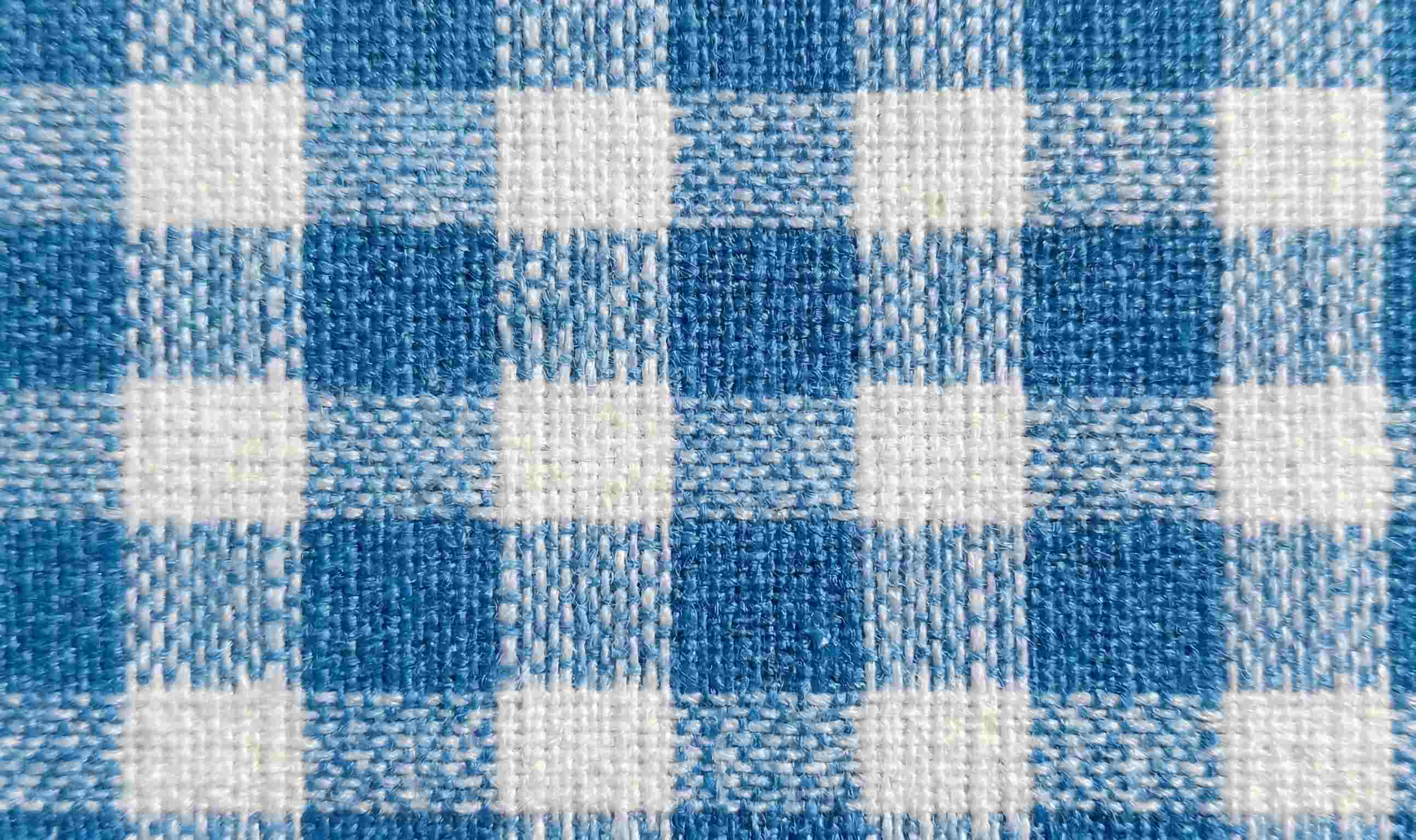
The technical foundation of gingham fabric lies in the plain weave. In this method, the warp and weft threads—the vertical and horizontal yarns on a loom—cross over and under each other in a simple, alternating fashion. Because it uses pre-dyed yarns, usually one colored yarn and one white yarn, the resulting fabric is remarkably stable and reversible.
The Secret of the "Third Color"
One of the most fascinating visual characteristics of gingham fabric is the appearance of three distinct shades, despite only using two colors of yarn. This is achieved through the way the overlapping colors interact during the weave. When a colored warp thread meets a white weft thread, you see a lighter version of the primary color. When two colored threads intersect, they create a darker, saturated block. When two white threads meet, they create a crisp white square. This mathematical precision is what gives gingham fabric its depth and rhythmic checked pattern.
The Surprising History of Gingham Fabric
The history of gingham fabric is as layered as its weave. The name itself is believed to derive from the Malay word Genggang, which means "striped."
It wasn't until the mid-18th century, when British textile mills in Manchester began producing the cloth, that the checked pattern we recognize today became the standard. During the Industrial Revolution, gingham fabric became incredibly popular because it was inexpensive to produce using carded cotton, yet it was durable and easy to wash. Over the centuries, it evolved from a humble utility cloth into a staple of pop culture and high fashion.
Gingham vs. Other Checks: What's the Difference?
To the untrained eye, many checks look the same. However, gingham fabric has specific rules that set it apart from its cousins.
Gingham vs. Tartan & Plaid: Simplicity vs. Complexity
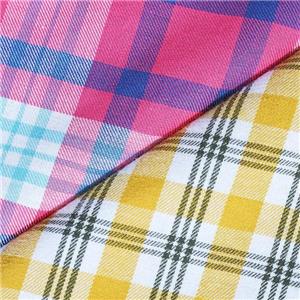
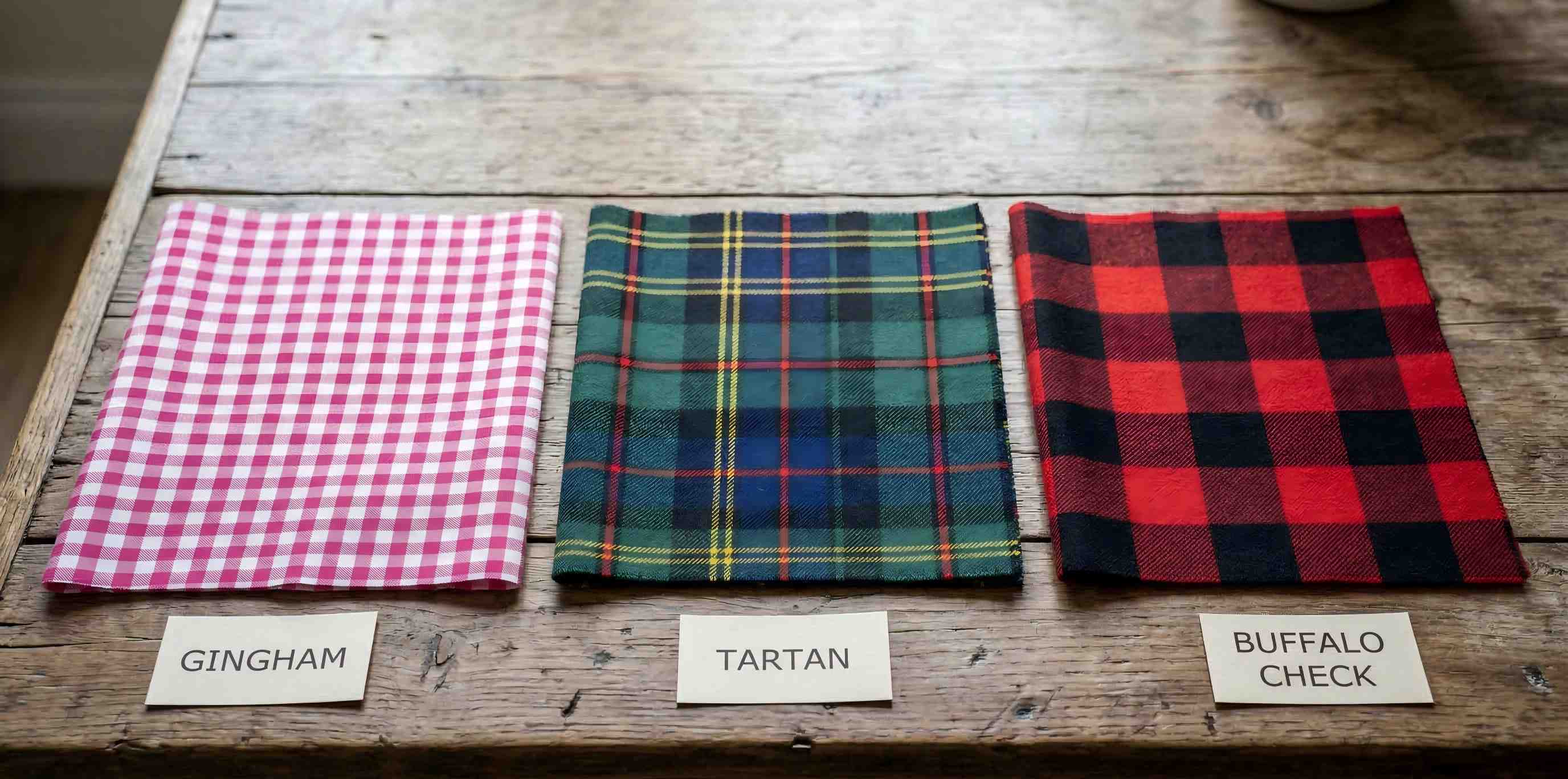
The primary difference between gingham fabric and tartan or plaid is the complexity of the design. A tartan involves multiple colors and varying widths of stripes that intersect to create a complex "sett."
Gingham vs. Buffalo Check: Scale and Color Contrast
While both are checkered, the difference lies in the bold checks. A buffalo check is typically much larger in scale and traditionally uses black and red.
Woven Gingham vs. Printed Gingham: Why Quality Matters
In modern mass production, you will often find printed check versions of gingham. However, a printed check is only on one side of the fabric and can fade over time. A true woven check (yarn-dyed) ensures better colorfastness and durability. For those seeking the authentic gingham fabric experience, the woven variety is always the superior choice.
Popular Variations of Gingham
Gingham fabric is not a "one size fits all" textile. It offers several variations that cater to different styles.
Size Matters: Micro-checks vs. Oversized Bold Checks
The scale of the check completely changes the vibe of the garment. Micro-gingham is subtle, often appearing as a solid color from a distance, making it perfect for professional shirts. Conversely, bold checks create a dramatic, modern statement often seen in contemporary summer apparel.
Material Blends: Cotton, Linen, and Polycotton
Traditionally, gingham fabric is made from 100% carded cotton, known for its softness and breathability. However, modern iterations include linen-cotton blends for extra heat dissipation or polycotton blends for those who want better shrinkage resistance and easy ironing.
Why is Gingham Always in Style?
The vintage aesthetic of gingham fabric is its greatest strength. It has been a mainstay in pop culture, famously worn by Dorothy in The Wizard of Oz and Brigitte Bardot. It evokes a sense of "innocence" and "country style" while simultaneously being used by high-fashion designers to create "mod" or "preppy" looks. Its two-tone simplicity makes it a neutral-like pattern that pairs easily with solids or even florals.
Practical Applications of Gingham Fabric Today
Fashion & Apparel: King of Summer and Kidswear
Gingham fabric is the undisputed champion of summer dresses.
Home Decor & Interiors: Modern Farmhouse and Cottage Look
In home interiors, gingham fabric is essential for achieving a country style or "grandmillennial" aesthetic. It is widely used for:
Curtains and window treatments.
Tablecloths and kitchen linens.
Soft furnishings like throw pillows and upholstery.
How to Choose High-Quality Gingham Fabric
When sourcing gingham fabric, look for these technical markers:
Thread Count: A higher thread count results in a smoother, more durable cloth.
Tension of the Weave: Ensure the plain weave is tight. If the threads shift easily, the fabric may lose its shape.
Reversible: If the pattern isn't identical on both sides, it's a printed check, not a premium yarn-dyed fabric.
Colorfastness: High-quality yarn-dyed versions should not bleed or fade significantly in the wash.
Maintenance and Care Tips for Gingham
To keep your gingham fabric looking fresh, follow these guidelines:
Washing Temperatures: Cotton versions can handle warm water, but linen blends should be washed in cold to prevent excessive shrinkage.
Fading: Turn garments inside out to protect the two-tone vibrancy from UV exposure.
Ironing: Gingham fabric looks best when crisp, so use a steam iron while the fabric is slightly damp.
Conclusion: The Timeless Appeal of the Checkered Classic
In summary, gingham fabric is much more than a simple pattern; it is a versatile, reversible, and historically rich yarn-dyed fabric.