
What is the difference between flannel and fleece?
When people search for warm, soft, and comfortable textiles, flannel fabric and fleece are two of the most frequently compared materials. They are both widely used in clothing, bedding, baby products, and home textiles, yet they differ significantly in fiber composition, manufacturing process, performance, sustainability, and target applications. Understanding the difference between flannel and fleece is not only important for consumers, but also essential for brands, designers, importers, and fabric buyers who want to select the right material for specific markets.
In this in-depth guide, we will explore the origins of flannel and fleece, compare their physical and functional properties, analyze their performance data, and discuss modern trends that influence how these fabrics are used today. Throughout the article, we will focus on flannel fabric as the core keyword and integrate related terms such as cotton flannel fabric, baby flannel fabric, flannel fabric by the yard, and types of flannel fabric to ensure strong relevance to real Google search intent.
Understanding Flannel Fabric: Origins and Characteristics
What Is Flannel Fabric?
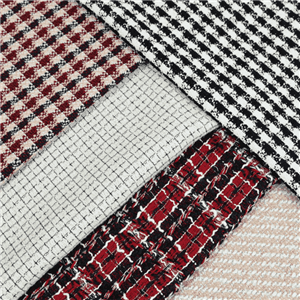
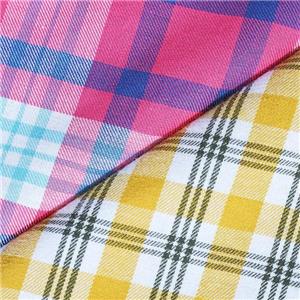
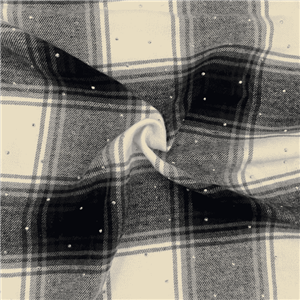
Flannel fabric is a soft woven textile traditionally made from cotton, wool, or blends. It is characterized by a brushed or napped surface that creates a fuzzy texture, improving warmth and softness. Historically, flannel originated in Wales in the 17th century as a wool-based fabric designed to provide insulation in cold, damp climates. Over time, cotton flannel became more popular due to its lighter weight, affordability, and ease of care.
Today, cotton flannel fabric dominates the global market, especially in apparel, bedding, and baby products. The fabric is woven (usually in plain or twill weave) and then mechanically brushed to raise fibers on one or both sides.
Key Features of Flannel Fabric
Soft hand feel due to brushing
Excellent breathability
Moderate thermal insulation
Moisture-absorbing (especially cotton-based flannel)
Skin-friendly and non-irritating
These features make flannel fabric particularly popular for pajamas, shirts, sheets, blankets, and baby flannel fabric items.
What Is Fleece? A Modern Synthetic Alternative
Definition and Background of Fleece
Fleece is a knit fabric, most commonly made from polyester or recycled PET bottles. Unlike flannel, fleece is not woven but knitted, then brushed to create a thick pile. Fleece was developed in the late 20th century as a lightweight, high-insulation alternative to wool.
While fleece offers excellent warmth-to-weight performance, it is fundamentally different from flannel fabric in structure, fiber content, and environmental impact.
Key Features of Fleece
High thermal insulation
Lightweight and lofty
Quick-drying
Hydrophobic (repels water rather than absorbing it)
Less breathable than flannel
Flannel vs Fleece: A Detailed Comparison
To clearly understand the difference between flannel fabric and fleece, let’s compare them across multiple technical and practical dimensions.
1. Fiber Composition
| Aspect | Flannel Fabric | Fleece |
|---|---|---|
| Common fibers | Cotton, wool, blends | Polyester (synthetic) |
| Natural option | Yes (especially cotton flannel fabric) | No |
| Sustainability | Biodegradable (cotton/wool) | Petroleum-based |
From a sustainability perspective, flannel fabric, especially cotton-based, aligns better with eco-conscious consumer trends.
2. Fabric Construction
| Aspect | Flannel Fabric | Fleece |
|---|---|---|
| Construction | Woven | Knitted |
| Surface treatment | Brushed (napped) | Brushed pile |
| Structural stability | High | Moderate |
Because flannel fabric is woven, it generally offers better dimensional stability and durability in structured garments such as shirts or tailored loungewear.
3. Breathability and Comfort
Breathability is one of the biggest differentiators between flannel and fleece.
Flannel fabric allows air circulation due to its woven structure.
Fleece traps heat effectively but limits airflow.
For consumers who prioritize comfort during long wear—especially indoors or during sleep—flannel fabric often feels less stuffy and more skin-friendly.
4. Thermal Performance
| Property | Flannel Fabric | Fleece |
|---|---|---|
| Warmth level | Medium to high | High |
| Best temperature range | Cool to moderately cold | Cold to very cold |
| Layering ability | Excellent | Good |
While fleece is warmer in extreme cold, flannel fabric offers more balanced thermal regulation, making it suitable for transitional seasons.
5. Moisture Management
Flannel fabric, especially cotton flannel, absorbs moisture.
Fleece repels moisture and dries quickly.
This difference explains why fleece is popular in outdoor sportswear, while flannel fabric excels in sleepwear, bedding, and baby products where moisture absorption and comfort matter more.
Types of Flannel Fabric Explained
Understanding the types of flannel fabric helps buyers choose the right option for their market.
Cotton Flannel Fabric
Cotton flannel fabric is the most widely used type today. It is breathable, soft, and easy to maintain, making it ideal for shirts, pajamas, sheets, and baby flannel fabric products.
Wool Flannel
Traditionally heavier and warmer, wool flannel is often used in suits, coats, and winter trousers. It is less common in mass-market home textiles.
Blended Flannel
Cotton-polyester blends improve durability and reduce wrinkling while retaining softness. These blends are popular in commercial bedding and uniforms.
Baby Flannel Fabric
Baby flannel fabric is typically made from high-quality cotton, with extra brushing and strict quality control to ensure it is hypoallergenic, breathable, and gentle on sensitive skin.
Flannel Fabric by the Yard: What Buyers Should Know
For designers, manufacturers, and DIY creators, purchasing flannel fabric by the yard is a common practice. When sourcing flannel by the yard, consider:
Fabric weight (GSM)
Yarn count and density
Brushing quality
Colorfastness
Shrinkage rate
Professional buyers often request lab test data to compare suppliers and ensure consistency, especially for large-scale production.
Application Scenarios: When to Choose Flannel vs Fleece
Apparel
Choose flannel fabric for shirts, pajamas, baby clothing, and loungewear.
Choose fleece for jackets, hoodies, and outdoor insulation layers.
Home Textiles
Flannel fabric is ideal for bed sheets, pillowcases, blankets, and throws.
Fleece is commonly used for lightweight blankets and promotional items.
Baby & Kids Products
Due to breathability and softness, baby flannel fabric is generally preferred over fleece for baby blankets, sleepwear, and bedding.
Market Trends: Why Flannel Fabric Is Regaining Popularity
In recent years, several trends have boosted demand for flannel fabric:
Sustainability Awareness
Consumers increasingly favor natural fibers like cotton over synthetic fleece.Home Comfort Economy
Remote work and lifestyle changes have increased demand for cozy, breathable homewear made from cotton flannel fabric.Baby and Family Markets
Growth in baby products has driven demand for safe, breathable baby flannel fabric.Customization and Small-Batch Production
Designers sourcing flannel fabric by the yard can easily adapt flannel to seasonal collections.
Flannel Fabric vs Fleece: Data-Based Summary Table
| Feature | Flannel Fabric | Fleece |
|---|---|---|
| Fiber | Natural or blended | Synthetic |
| Breathability | High | Low |
| Warmth | Medium | High |
| Moisture behavior | Absorbs | Repels |
| Skin-friendliness | Excellent | Moderate |
| Sustainability | Higher | Lower |
How to Identify High-Quality Flannel Fabric
When evaluating flannel fabric, look for:
Even brushing without pilling
Consistent yarn density
Soft but resilient hand feel
Low formaldehyde and safe dye standards
Certifications such as OEKO-TEX®
Professional buyers often compare multiple types of flannel fabric side by side to select the best option for their target market.
FAQs
What is the main difference between flannel fabric and fleece?
The main difference is that flannel fabric is woven and usually made from natural fibers like cotton, while fleece is knitted and made from synthetic polyester.
Is cotton flannel fabric warmer than fleece?
No. Fleece is generally warmer, but cotton flannel fabric offers better breathability and comfort for everyday use.
Is baby flannel fabric safe for sensitive skin?
Yes. Baby flannel fabric made from high-quality cotton is breathable, soft, and suitable for sensitive skin.
Can I buy flannel fabric by the yard for small projects?
Absolutely. Many manufacturers and suppliers offer flannel fabric by the yard, ideal for small-batch production or customization.
What are the most common types of flannel fabric?
The most common types of flannel fabric include cotton flannel, wool flannel, and blended flannel.
Why Choose HonryFabric as Your Flannel Fabric Supplier
At honryfabric, we specialize in premium flannel fabric manufacturing for global B2B clients. With decades of experience, we provide stable quality, scalable production, and customized solutions for apparel, home textiles, and baby products.
You can explore our dedicated flannel fabric product range here:
https://www.honryfabric.com/product-list/flannel-fabric
If you are sourcing cotton flannel fabric, baby flannel fabric, or looking to purchase flannel fabric by the yard, we welcome you to connect with us directly.
👉 Contact us here: https://www.honryfabric.com/contact
Let honryfabric be your reliable partner in delivering high-quality flannel fabric to your market.