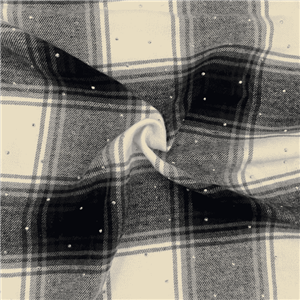
How to Choose Woven Fabric?
Introduction: The Critical Decision of Fabric Selection
In the fast-paced world of fashion design, interior decor, and textile manufacturing, selecting the right material is the definitive turning point of any product's development cycle. Whether you are an independent fashion designer launching your first apparel collection, an interior designer sourcing heavy-duty upholstery, or a product developer tasked with creating industrial soft goods, knowing how to evaluate and select a premium woven fabric is a fundamental skill.
The choice of fabric dictates everything from how a garment sits on the human body to how well a piece of furniture withstands daily friction. However, navigating the global supply chain can be overwhelming. With thousands of options spanning natural fibers, synthetic yarns, and complex structural configurations, making an informed choice requires a strategic approach.
To ensure the success of your project, you must look beyond surface aesthetics and understand how to properly vet a woven fabric manufacturer, communicate effectively with a woven fabric supplier, and evaluate production capabilities at the woven fabric factory level. This ultimate guide will walk you through the essential technical, structural, and sourcing parameters required to choose the perfect woven fabric for your specific needs.
Step 1: Analyze the Fabric Construction and Technical Parameters
Before reaching out to any international woven fabric supplier, you must define the precise technical requirements of the material you need. A woven fabric is engineered through the interlacing of vertical warp and horizontal weft threads at right angles, and altering these mechanical parameters completely changes how the material behaves.
1. The Core Weave Structures
The internal architecture of the cloth determines its physical strengths and limitations. You must choose between the three foundational weave structures:
Plain Weave: This simple "one-thread-over, one-thread-under" grid offers the highest structural stability and a completely flat surface. Choose a plain weave (like poplin, canvas, or taffeta) if your project requires crisp tailoring, clean printing, or a uniform texture.
Twill Weave: Characterized by a distinct diagonal ribbing pattern across the surface, a twill weave allows threads to pack together tightly. Choose a twill weave (like denim, gabardine, or heavy chino cloth) if your project demands superior abrasion resistance, structural weight, and a heavier, more fluid drape.
Satin Weave: By allowing long "floats" of yarn to pass over the surface before dipping underneath, satin creates a brilliant, light-reflecting sheen and a highly fluid drape. Choose a satin or sateen weave for luxury evening wear, delicate linings, or premium bedding.
2. Understanding Weight and Density (GSM vs. Oz)
Fabric weight is a critical metric that every woven fabric manufacturer uses to classify their inventory. Weight is typically measured in GSM (Grams per Square Meter) or Ounces per Square Yard (Oz).
Lightweight (Under 130 GSM / 4 Oz): Best for summer blouses, sheer curtains, and fine linings (e.g., voile, cotton lawn).
Mediumweight (130 to 250 GSM / 4 to 7 Oz): The workhorse category, ideal for button-down dress shirts, casual dresses, and lightweight quilting cotton.
Heavyweight (Over 250 GSM / 7 Oz): Built for rugged utility, outerwear, and home upholstery (e.g., denim, canvas, duck cloth).
Step 2: Choose Between Piece-Dyed, Printed, and Yarn-Dyed Fabrics
One of the most critical aesthetic and quality decisions you will make is determining how color and patterns are integrated into your woven fabric. This choice directly impacts the luxury status, cost, and lifespan of your product.
The Luxury Appeal of Yarn-Dyed Fabric
While piece-dyeing (coloring a completely woven roll of fabric in a solid dye bath) is economical and excellent for solid colors, creating patterns requires you to choose between printing and weaving.
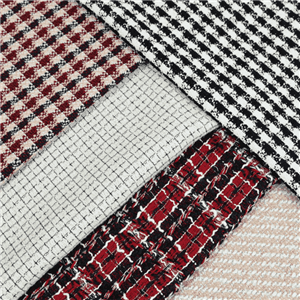
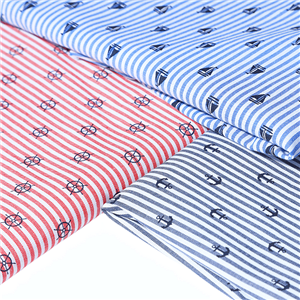
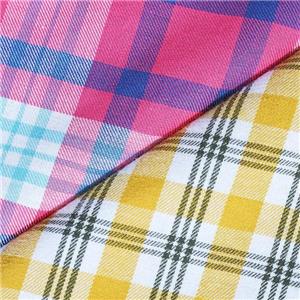
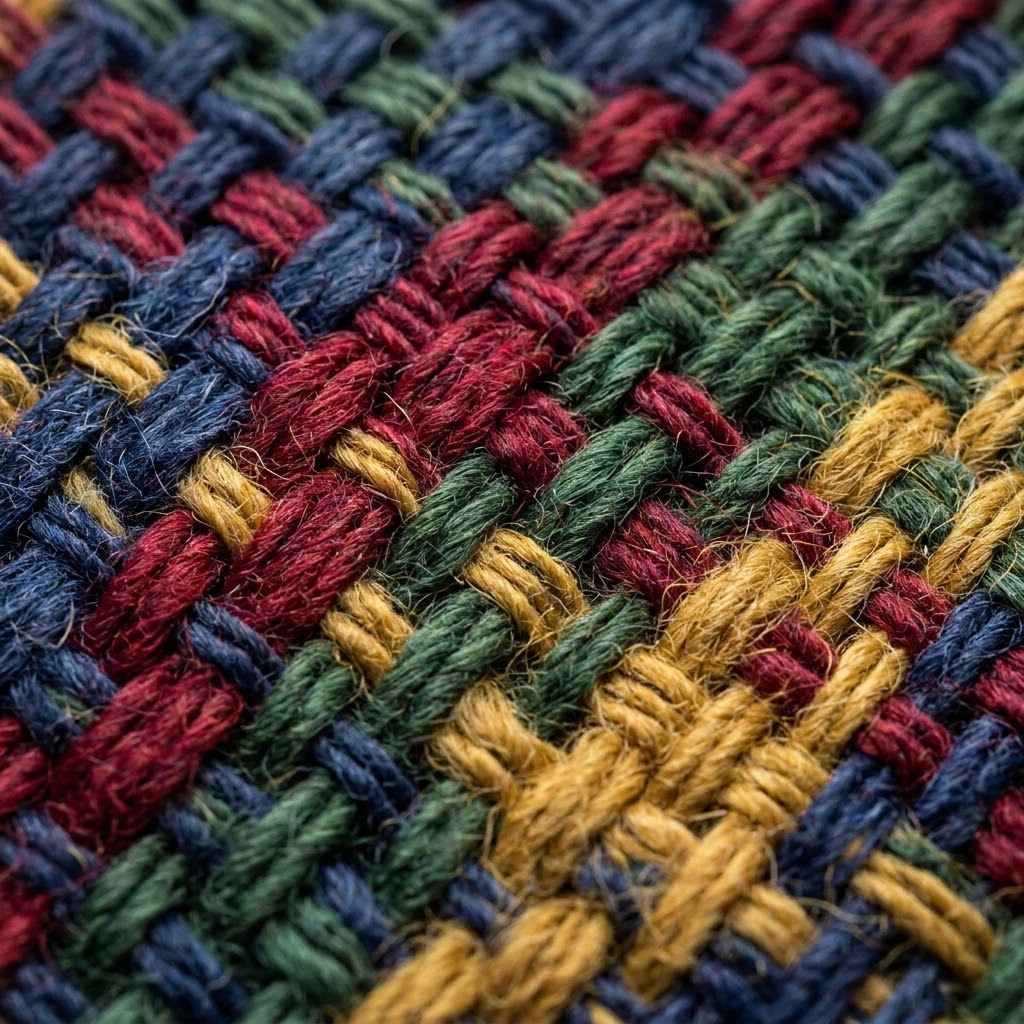
A high-end woven fabric manufacturer will always emphasize the benefits of a yarn-dyed fabric. In a yarn-dyed fabric, individual threads are completely saturated with pigment before they ever hit the loom. The intricate patterns—such as stripes, plaids, and ginghams—are built structurally into the cloth by interweaving different colored warp and weft threads.
When sourcing materials, consider why yarn-dyed fabric is preferred for luxury collections:
Unmatched Colorfastness: Because the color penetrates to the very core of the fibers, it resists fading over hundreds of washing cycles far better than surface prints.
Visual and Tactile Depth: The structural intersection of colors creates a three-dimensional depth and a rich hand-feel that printed alternatives cannot replicate.
Reversibility: A yarn-dyed fabric features the exact same clear pattern on both the front and the back, making it perfect for unlined jackets, high-end curtains, and premium blankets.
Step 3: Vet the Global Supply Chain (Manufacturer, Supplier, and Factory)
Once you have established your technical parameters, the success of your production run depends entirely on finding the right manufacturing partners. Understanding the distinct roles within the supply chain ensures smooth communication and avoids costly production delays.
Evaluating the Woven Fabric Manufacturer
A true woven fabric manufacturer owns the technology, research, and technical expertise behind the creation of the textile. When vetting a manufacturer, you should look for companies that invest heavily in modern weaving machinery, such as high-speed air-jet or projectile looms.
Ask the manufacturer for their compliance certifications (such as OEKO-TEX Standard 100 or GOTS for organic textiles). A reputable manufacturer will provide comprehensive technical data sheets detailing the fabric's tensile strength, shrinkage rates, and colorfastness ratings under physical stress.
Communicating with the Woven Fabric Supplier
A woven fabric supplier acts as your commercial bridge. They handle client relationships, logistics, warehousing, and custom sourcing. A great supplier will translate your design vision into manufacturing realities.
When working with a woven fabric supplier, your focus should be on commercial feasibility. Inquire about their MOQs (Minimum Order Quantities), lead times for production, and their ability to provide fabric hangers or yardage samples for prototyping. Effective suppliers maintain deep inventories of basic running items, allowing you to access quick roll shipments without waiting for a full manufacturing cycle.
Inspecting the Woven Fabric Factory
For large-scale commercial operations, auditing the woven fabric factory is an essential step in quality control. If you have the opportunity to conduct a digital or physical factory audit, look closely at their quality management systems.
A world-class woven fabric factory maintains strict control over three primary zones:
The Spinning and Preparation Room: Where raw fibers are spun and prepared. Humidity and temperature must be perfectly regulated to prevent yarn breakage.
The Weaving Hall: Where rows of active looms interlace the warp and weft. Look for cleanliness, automated fault-detection lasers, and a highly organized workspace.
The Inspection and Finishing Department: Where completed rolls are rolled over bright light boards to check for missing threads, oil stains, or structural abnormalities before packaging.
Step 4: Practical Selection Checklist for Sourcing Success
To make your fabric selection process as streamlined as possible, keep this quick reference checklist handy during your next sourcing consultation:
End-Use Alignment: Does the fabric structure support the mechanical demands of the final product? (e.g., Heavy upholstery requires a high double-rub count canvas or twill weave).
Fiber Composition: Do you require the natural breathability of cotton/linen, or the high strength and wrinkle resistance of synthetic polyester/nylon?
Pattern Method: Is a surface print sufficient, or does your premium product demand the longevity and reversibility of a structural yarn-dyed fabric?
Sample Testing: Have you requested a sample yard to test how the material drapes, reacts to washing, and behaves under a sewing machine needle?
Supplier Reliability: Has your chosen woven fabric supplier provided transparent lead times, clear shipping terms (FOB/CIF), and realistic MOQ boundaries?
Conclusion: Investing in Sourcing Excellence
Choosing the right woven fabric is far more than a simple aesthetic choice; it is an exercise in structural engineering and strategic supply chain management. By carefully defining your weave structures, identifying whether your design requires a premium yarn-dyed fabric, and systematically vetting your woven fabric manufacturer, you protect your brand from quality failures and production headaches down the line.
Partnering with a reliable woven fabric supplier and understanding the inner workings of a modern woven fabric factory allows you to build a resilient product lifecycle. When human design creativity aligns perfectly with strict technical textiles standards, the resulting products are built to last, providing your customers with the ultimate combination of beauty, comfort, and exceptional durability.