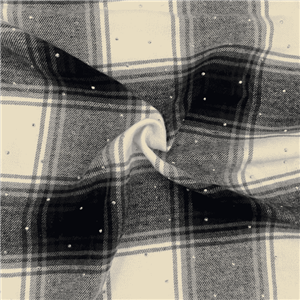
What is Jacquard Fabric?
In the sophisticated world of luxury textiles, jacquard fabric stands as a testament to the perfect marriage between artistic complexity and mechanical precision. Unlike most fabrics, where patterns are applied as an afterthought through dyes or stamps, jacquard fabric integrates its design into its very DNA. If you have ever run your fingers over an intricate, raised floral pattern on a high-end sofa or admired the shimmering geometry of a silk tie, you have likely experienced the allure of woven patterns created on a Jacquard loom.
This material is a favorite in both the high-fashion apparel industry and premium home decor sectors, prized for its fabric durability and the undeniable sense of luxury it brings to any space. In this comprehensive guide, we will explore the history, production, and diverse variations of woven jacquard fabric, explaining why it remains a gold standard for designers worldwide.
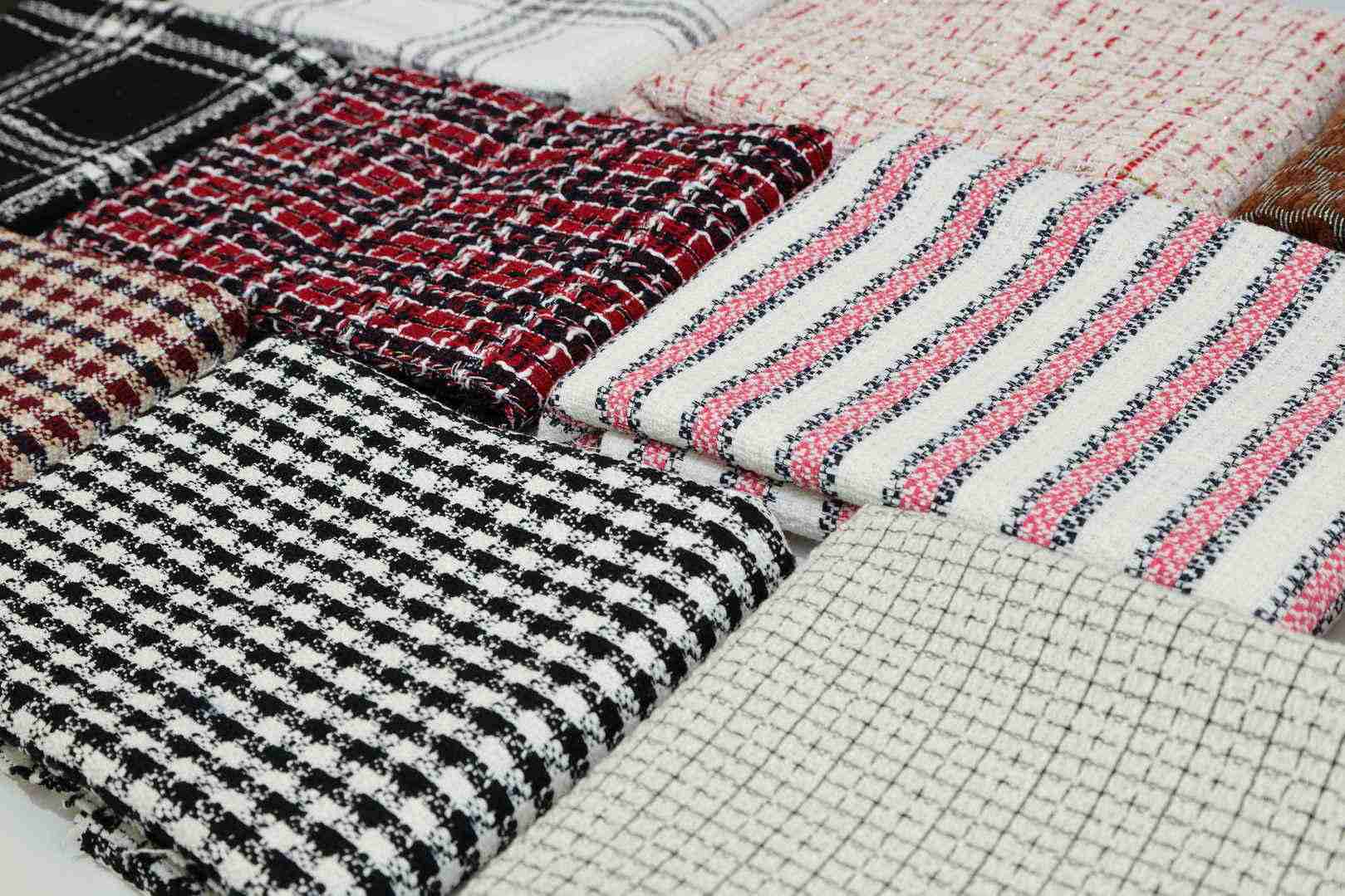
Defining Jacquard: A Technique, Not a Material
One of the most common misconceptions among consumers is the belief that "Jacquard" refers to a specific type of fiber, such as silk or wool. However, an expert must clarify that jacquard fabric is defined by a weaving method, not the raw material used.
A Method Beyond Fibers
Whether it is constructed from cotton jacquard, silk, or a high-performance synthetic jacquard, the term refers to how the warp and weft threads are interlaced. You can find a jacquard fabric made of 100% organic cotton just as easily as you can find one made of polyester or metallic blends. The versatility of this technique allows it to adapt to various weights and textures, from lightweight dress fabrics to heavy-duty upholstery fabric.
Patterns Woven into the Structure
The core difference between jacquard fabric and other textiles lies in its construction. In most standard fabrics, a pattern is printed on the surface or dyed into the cloth after it is woven. In contrast, with woven jacquard fabric, the woven patterns are created during the weaving process itself. By controlling individual warp threads, the loom can create complex, multi-dimensional designs that are an inseparable part of the fabric structure. This integration is what provides the material with its exceptional fabric durability and aesthetic depth.
The Innovation of Joseph Marie Jacquard: A History of Punch Cards
To understand the genius of jacquard fabric, we must look back to 1804, when French weaver Joseph Marie Jacquard introduced a machine that would forever change the textile world.
A Textile Revolution
Before Jacquard’s invention, weaving intricate designs was a slow, manual process that required a "drawboy" to sit atop the loom and manually lift specific warp threads. It was exhausting, prone to error, and incredibly expensive. Jacquard’s loom automated this process using a series of replaceable punch cards. These cards dictated which threads should be raised and which should remain lowered, allowing for the rapid production of complex woven patterns that were previously impossible to mass-produce.
The Binary Legacy
The Jacquard loom is often cited by historians as a precursor to modern computing. The punch card system operated on a "binary" logic—a hole in the card represented one action (lifting the thread), while no hole represented another. This early form of programming directly influenced Charles Babbage’s Analytical Engine and, eventually, the digital computers we use today. Every time you wear a piece of woven jacquard fabric, you are essentially wearing a piece of history that bridged the gap between the Industrial Revolution and the Information Age.
How Jacquard Fabric is Made: From Digital Design to Computerized Looms
Modern production has traded wooden punch cards for sophisticated software, but the fundamental principles of Jacquard fabric remain the same.
Step 1: Digital Pattern Mapping
The process begins with an artist’s design, which is converted into a digital map. Specialized software translates the artwork into binary code that the computerized loom can understand. This digital mapping allows for even more intricate designs and higher thread count precision than the original mechanical looms ever could.
Step 2: Yarn Selection and Thread Count
Why is thread quality so critical? Because jacquard fabric relies on the interaction of individual threads to create a pattern, the thread count and yarn quality determine the clarity of the design. High-quality woven jacquard fabric often uses a mix of matte and lustrous yarns to create contrast within the woven patterns. Whether using cotton jacquard or synthetic jacquard, the consistency of the yarn is paramount to prevent snagging during the high-speed weaving process.
Step 3: The Weaving Process
In a modern textile mill, the warp and weft are managed by computerized hooks. Each warp thread is controlled independently, allowing the loom to create a reversible pattern or complex tapestries. The result is a woven jacquard fabric that is dense, heavy, and structurally superior to plain-weave textiles.
Woven vs. Printed: Why Jacquard is the Luxury Standard
When comparing a printed fabric to a jacquard fabric, the differences in quality and performance are immediately apparent.
Visual Depth and Dimensional Texture
A printed pattern is two-dimensional; it sits on top of the fibers. Jacquard fabric, however, possesses a unique dimensional texture. Because the woven patterns are created by varying the weave (such as mixing satin, twill, and plain weaves in one piece), the fabric catches the light differently from various angles. This creates a tactile, luxurious feel that printing cannot mimic.
Fabric Durability
Fabric durability is a major selling point for woven jacquard fabric. Since the color and pattern are part of the warp and weft, they do not fade, peel, or crack over time. While a print might wear away on a frequently used sofa, a jacquard fabric will maintain its visual integrity for years, making it a sustainable choice for long-term use.
Reversibility: The Two-Sided Beauty
Many types of jacquard fabric feature a reversible pattern. Because the loom interweaves the threads, the "negative" of the pattern often appears on the back. This reversible pattern capability is highly valued in the production of high-end curtains, shawls, and linens, where both sides of the fabric might be visible.
Popular Types of Jacquard Fabrics and Their Characteristics
There are several iconic sub-categories of jacquard fabric, each with its own unique "personality."
Damask
Damask is perhaps the most famous type of jacquard fabric. It is a fine, shimmering woven jacquard fabric that is typically monochromatic. By using different weave structures (usually satin and matte), it creates a subtle reversible pattern. Damask is the elegant choice for formal table linens and classic evening wear.
Brocade
Unlike damask, brocade is an opulent, non-reversible jacquard fabric. It often features multiple colors and raised floral or figured woven patterns. Brocade frequently incorporates metallic threads, making it a staple for theatrical costumes, liturgical vestments, and high-fashion blazers.
Matelassé
Matelassé is a woven jacquard fabric designed to mimic the look of a quilt. Using a unique weaving process, it creates a "padded" or "puckered" texture without the need for actual padding or wadding. It is incredibly popular in high-end cotton jacquard coverlets and pillows.
Tapestry
Modern jacquard tapestries are heavy-duty, multi-colored weaves. They are thicker than damask and are primarily used as upholstery fabric. These fabrics are built for extreme fabric durability, often depicting complex landscapes or historical scenes.
Materials Used in Jacquard Production
The fiber choice defines the final application and fabric durability of the jacquard fabric.
· Cotton Jacquard: This is the most popular choice for home textiles. Cotton jacquard is breathable, soft, and easy to care for, making it ideal for luxury bedding and casual summer blazers. It maintains a high thread count while remaining skin-friendly.
· Silk Jacquard: The pinnacle of luxury. Silk-woven jacquard fabric is used for bridal wear, high-end ties, and formal waistcoats. It has a natural sheen that makes the woven patterns dance in the light.
· Synthetic & Blended Jacquard: For modern interiors, a synthetic jacquard (often a polyester or rayon blend) is frequently used. These blends offer the best fabric durability and stain resistance, providing a high perceived value at a more accessible price point.
Modern Applications: From the Runway to the Living Room
The versatility of jacquard fabric ensures its presence in every corner of our lives.
Fashion & Apparel
In the apparel industry, designers use woven jacquard fabric to create structured silhouettes. It is the go-to for blazers, evening gowns, and intricate ties. Because the fabric has inherent "body," it holds its shape better than thinner materials.
Home Decor
From upholstery fabric on heirloom furniture to luxury mattresses, jacquard fabric is everywhere. It provides a level of sophistication to curtains and soft furnishings that simpler weaves cannot match. A cotton jacquard tablecloth, for instance, instantly elevates a dining experience.
The Pros and Cons of Jacquard Fabric
Pros
· Aesthetic Complexity: Offers the most intricate designs possible in weaving.
· Longevity: Exceptional fabric durability ensures the pattern lasts the life of the fabric.
· High-Perceived Value: Instantly adds a premium feel to any product.
Cons
· Price: The complexity of the computerized loom and the high thread count make it more expensive than prints.
· Snagging: In very loose weaves, the "floats" (raised threads) can catch on sharp objects.
Care and Maintenance: How to Handle Complex Weaves
To preserve the woven patterns and the structural integrity of your jacquard fabric, proper care is essential.
1. Read the Label: Because jacquard fabric can be made of silk, cotton jacquard, or synthetic jacquard, the cleaning method depends on the fiber.
2. Avoid Friction: Excessive rubbing can fuzzy the woven patterns. For upholstery fabric, professional steam cleaning is often best.
3. Gentle Ironing: If you must iron woven jacquard fabric, do so on the reverse side to protect the dimensional texture of the face.
Conclusion: Why Jacquard Remains the Master of Textural Elegance
From its 19th-century origins as a punch-card innovation to its modern life as a digitally mastered masterpiece, jacquard fabric remains a cornerstone of the textile world. Its ability to integrate intricate designs into a robust fabric structure ensures that it is not just a seasonal trend but a lasting investment. Whether it is the soft touch of cotton jacquard or the high-performance resilience of a synthetic jacquard, the beauty of woven patterns created through the expert manipulation of warp and weft is unparalleled. Jacquard fabric isn't just a material; it is a celebration of what happens when human artistry meets mechanical excellence.