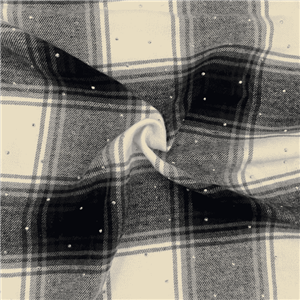
Woven Fabric vs Knit Fabric: Which One Is Better?
When choosing the right textile material for apparel, home textiles, or industrial applications, one of the most common questions buyers ask is: woven fabric vs knit fabric, which one is better? The answer depends on the intended use, performance requirements, production process, and final product expectations. Both fabrics have unique advantages, and understanding their differences can help brands, garment manufacturers, and sourcing companies make better purchasing decisions.
As a professional textile buyer, selecting the right fabric is critical because fabric quality directly affects product appearance, durability, comfort, and market competitiveness. A reliable woven fabric manufacturer can provide various fabric solutions, including yarn dyed fabric, check fabric, stripe fabric, poplin fabric, seersucker fabric, dobby fabric, jacquard fabric, linen fabric, denim fabric, and functional fabric to meet different application needs.
This article will provide a comprehensive comparison between woven fabric and knit fabric, helping you understand their characteristics, advantages, disadvantages, and suitable applications.
What Is Woven Fabric?
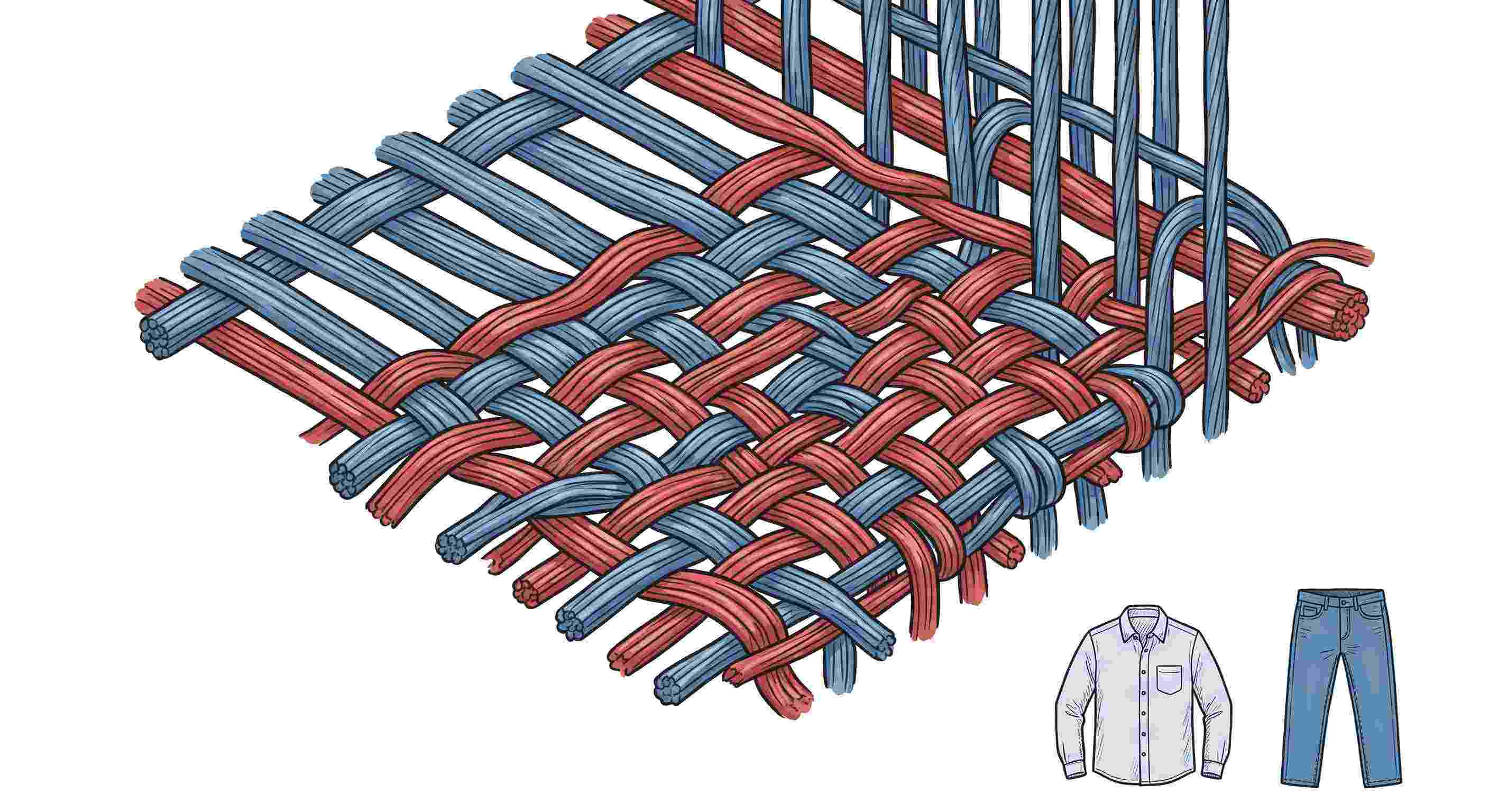
Woven fabric is a textile material created by interlacing two sets of yarns: warp yarns and weft yarns. These yarns cross each other at right angles through a weaving process, creating a stable and structured fabric construction.
The weaving process allows manufacturers to develop different textures, patterns, and performance characteristics. Depending on the weaving method, fabrics can have different appearances and functions, such as plain weave, twill weave, satin weave, dobby weave, and jacquard weave.
A professional woven fabric manufacturer usually offers multiple fabric development options, including different yarn compositions, weights, colors, patterns, finishes, and functional treatments. This flexibility makes woven fabric one of the most widely used textile categories in the global apparel industry.
Common types of woven fabric include:
Cotton woven fabric
Polyester woven fabric
Linen woven fabric
Denim fabric
Flannel fabric
Poplin fabric
Seersucker fabric
Yarn dyed fabric
Jacquard fabric
Dobby fabric
Functional woven fabric
Because of its structured construction, woven fabric is widely used for shirts, jackets, uniforms, trousers, dresses, bedding, home textiles, and workwear.
What Is Knit Fabric?
Knit fabric is produced by forming loops of yarn that are connected together. Unlike woven fabric, which uses horizontal and vertical yarn systems, knit fabric is created through a series of interlocking loops.
The loop structure gives knit fabric excellent stretchability and softness. Depending on the knitting method, knit fabrics can be divided into two main categories:
1. Weft Knit Fabric
Weft-knit fabric is commonly used in everyday clothing products. Examples include:
T-shirts
Sweatshirts
Sportswear
Underwear
Casual wear
2. Warp Knit Fabric
Warp knit fabric has better dimensional stability and is often used for:
Sportswear
Swimwear
Lingerie
Technical textiles
Compared with woven fabric, knit fabric focuses more on comfort, flexibility, and body movement.
Key Differences Between Woven Fabric and Knit Fabric
Although both fabrics are essential in the textile industry, their construction creates significant differences in performance.
1. Fabric Structure and Manufacturing Process
The biggest difference between woven fabric and knit fabric is their production method.
Woven fabric uses interlaced warp and weft yarns. This creates a firm and stable structure. The yarns remain relatively fixed, which reduces fabric deformation.
Knit fabric uses connected yarn loops. The loop structure allows the fabric to expand and recover easily.
For brands looking for structured garments with clean shapes, woven fabric is usually the preferred choice. For products requiring flexibility and comfort, knit fabric often performs better.
A professional woven fabric supplier can customize weaving structures according to different garment requirements, such as lightweight summer fabrics, durable workwear fabrics, or premium fashion fabrics.
2. Stretchability and Comfort
Stretchability is one of the most noticeable differences.
Knit fabric naturally provides more elasticity because its loop construction allows movement in multiple directions. This makes knit fabrics comfortable for active lifestyles.
Typical knit applications include:
T-shirts
Leggings
Sportswear
Casual clothing
However, most woven fabrics have limited natural stretch because the yarn structure is tighter and more stable. Some woven fabrics can achieve stretch performance by adding elastane fibers or using special weaving techniques.
For example:
Stretch denim combines woven construction with elastic fibers.
Functional woven fabric can include mechanical stretch technology.
Custom woven fabric can be developed with specific performance requirements.
Therefore, the choice depends on whether the product prioritizes flexibility or structure.
3. Durability and Strength
When comparing durability, woven fabric generally has an advantage.
The tightly interlocked yarn structure provides:
Higher tensile strength
Better abrasion resistance
Improved dimensional stability
Longer product lifespan
This is why many industries choose woven fabric for:
Work uniforms
Military clothing
Outdoor apparel
Jackets
Jeans
Industrial textiles
Knit fabric is comfortable but may be more vulnerable to stretching, snagging, or losing shape after long-term use.
For businesses requiring long-lasting garments, selecting a reliable woven fabric supplier is essential to ensure consistent quality and production stability.
4. Appearance and Design Possibilities
One major advantage of woven fabric is its ability to create sophisticated designs and textures.
Because woven fabrics have a stable surface, manufacturers can produce:
Clear patterns
Sharp garment silhouettes
Smooth finishes
Structured shapes
Popular woven fabric designs include:
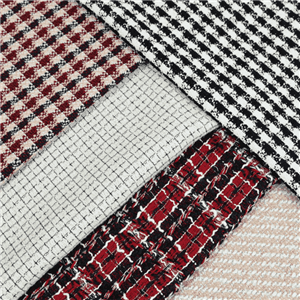
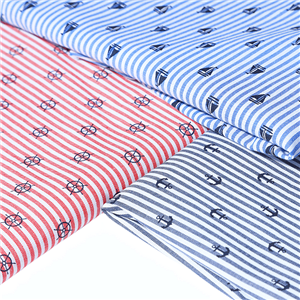
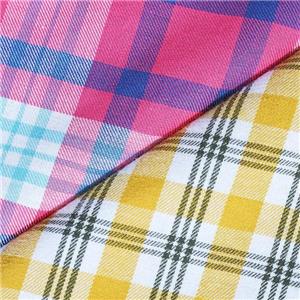
Yarn Dyed Fabric
Yarn dyed fabric creates patterns by dyeing yarns before weaving. It is commonly used for:
Shirts
Plaid fabrics
Stripe fabrics
Jacquard Fabric
Jacquard weaving creates complex patterns directly into the fabric structure, making it suitable for premium fashion and home textiles.
Dobby Fabric
Dobby fabric uses special weaving techniques to create small geometric textures and decorative effects.
Knit fabrics can also have attractive designs, but woven fabric generally provides more precise patterns and a more premium appearance.
5. Wrinkle Resistance and Maintenance
Fabric maintenance is another important factor for brands and consumers.
Generally:
Woven fabric:
Holds shape better
Looks more formal
Requires more ironing depending on fiber content
Knit fabric:
Resists wrinkles naturally
Requires easier care
Maintains softness
However, modern textile technology has improved woven fabric performance significantly. Many manufacturers now develop wrinkle-resistant, easy-care, and functional woven fabric solutions for modern lifestyles.
6. Applications: When Should You Choose Woven Fabric?
Woven fabric is suitable for applications requiring structure, strength, and premium appearance.
Common applications include:
Apparel
Business shirts
Dresses
Jackets
Suits
Jeans
Uniforms
Outdoor clothing
Home Textiles
Bed sheets
Curtains
Tablecloths
Decorative fabrics
Industrial Applications
Workwear
Protective clothing
Heavy-duty textiles
A professional woven fabric manufacturer can provide customized solutions based on product requirements, including fabric weight, composition, color, finishing, and performance.
7. Applications: When Should You Choose Knit Fabric?
Knit fabric is ideal when comfort and flexibility are the priority.
Common applications include:
T-shirts
Hoodies
Activewear
Sportswear
Baby clothing
Underwear
Casual garments
For products designed around body movement and softness, knit fabric is often the better choice.
Custom Woven Fabric: A Better Solution for Brands
With increasing competition in the fashion and apparel market, many brands are looking for unique textile solutions instead of standard fabrics.
Custom woven fabric allows companies to develop exclusive materials based on their product positioning.
Customization options include:
Fiber composition
Yarn selection
Fabric weight
Color development
Pattern design
Functional finishing
Special treatments
For example, a clothing brand may require:
Lightweight woven fabric for summer shirts
Durable woven fabric for uniforms
Soft flannel fabric for winter collections
Sustainable linen blends for eco-friendly fashion
Working with an experienced woven fabric manufacturer enables brands to create differentiated products and improve market competitiveness.
How to Choose Between Woven Fabric and Knit Fabric?
Before selecting a fabric, buyers should consider several questions:
1. What is the final product?
If the product requires structure and shape retention, choose woven fabric.
If the product requires flexibility and comfort, choose knit fabric.
2. What performance is required?
Consider:
Durability
Breathability
Stretch
Moisture management
Weight
Appearance
3. Who is the target customer?
Premium fashion brands may prefer high-quality woven fabric with unique textures and patterns.
Sportswear brands may prefer elastic knit fabrics.
4. Does the supplier provide customization?
A capable woven fabric supplier should offer:
OEM development
Color customization
Sample production
Quality testing
Bulk production support
Final Thoughts: Woven Fabric vs Knit Fabric, Which One Is Better?
There is no absolute winner between woven fabric and knit fabric. The better choice depends on the product requirements.
Woven fabric is the better option when you need:
Strong durability
Stable structure
Premium appearance
Complex patterns
Long-lasting performance
Knit fabric is the better option when you need:
Softness
Stretchability
Comfort
Flexible movement
For apparel brands, garment factories, and textile buyers, choosing the right material is a strategic decision. Partnering with an experienced woven fabric manufacturer and reliable woven fabric supplier can help develop high-quality products that meet market demands.
Whether you need standard fabrics or custom woven fabric solutions, understanding the differences between woven and knit textiles is the first step toward successful product development.