
Is dobby fabric for summer or winter?
Is dobby fabric best for hot summers or chilly winters? This is a common question among apparel brands, fabric buyers, designers, and consumers choosing the right textiles for comfort and performance. The answer is nuanced: dobby fabric is versatile and can be suitable for both summer and winter, depending on the fiber content, dobby fabric weave, weight, and finishing.
In this comprehensive guide, we break down how dobby fabric behaves in different seasons, compare it with other woven fabric types, explain where it performs best, and share buying tips for shirts, dresses, home textiles, and more. You will also find data-based comparisons, a decision checklist, a FAQ section, and practical sourcing guidance.
Our goal is to help you confidently decide when and how to use dobby fabric—not only from a theoretical perspective, but from a modern, market-driven and sustainability-aware viewpoint.
What is dobby fabric?
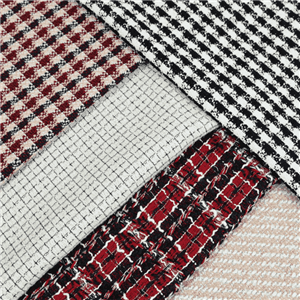
Dobby fabric is a type of woven fabric produced on a dobby loom that enables small, repeated geometric patterns and textures. These raised or depressed designs give dobby textiles a three-dimensional surface without printing or embroidery.
Key characteristics:
Small geometric or textured patterns
Clean appearance with subtle sheen (depending on yarns)
Patterns created in the weave structure
Can be lightweight or heavyweight
Often used in shirts, dresses, bedding, table linens, and uniforms
Common fibers used include:
Cotton
Polyester
Blends (poly-cotton, cotton-spandex)
Rayon/viscose
Wool (winter-weight dobby)
Because the dobby technique modifies the dobby fabric weave, not just the yarn, it allows for tremendous variation in drape, warmth, breathability, and durability.
Is dobby fabric for summer or winter?
The short answer: both, depending on:
Fabric weight (gsm)
Fiber type
Tightness of the dobby pattern
Finishing (brushed, mercerized, peached, etc.)
Intended use (shirt, jacket, curtain, bedding)
When dobby fabric is best for summer
Lightweight dobby fabric made from cotton or viscose is especially suitable for summer because it offers:
Excellent breathability
Soft hand feel
Moisture absorption
Air-channeling texture thanks to dobby patterns
This is why the dobby fabric shirt category is highly popular in warm regions and tropical climates.
When dobby fabric is best for winter
Heavier dobby structures and wool or polyester blends make dobby highly effective for cooler seasons:
Thicker yarns improve thermal retention
Brushed finishes add insulation
Dense texture reduces airflow
Structural weave traps warm air
Wool dobby suiting, winter bedding, cushion textiles, and curtains frequently use winter-weight dobby constructions.
How weave and fiber make dobby fabric seasonal
The same weaving technique can produce totally different functional outcomes. Two key factors determine whether dobby fabric behaves as a summer or winter textile:
1. Fiber type
| Fiber Type | Hand Feel | Breathability | Typical Season | Notes |
|---|---|---|---|---|
| Cotton dobby | Soft, natural | High | Summer | Hypoallergenic, moisture absorbing |
| Linen dobby | Crisp, airy | Very high | Summer | Wrinkles easily, premium look |
| Viscose dobby | Smooth | High | Summer | Drapes very well |
| Polyester dobby | Smooth/firm | Low–medium | Winter | Retains heat, durable |
| Wool dobby | Warm | Medium | Winter | High insulation |
| Blended dobby | Variable | Variable | All season | Balanced cost & performance |
2. Dobby fabric weave density
| Weave Density | Warmth | Breathability | Best Season |
|---|---|---|---|
| Loose, open dobby weave | Low | High | Summer |
| Medium density | Medium | Medium | Spring/Autumn |
| Tight, heavy dobby weave | High | Low | Winter |
A summer dobby may weigh 100–140gsm, whereas winter dobby fabrics can range from 220–400gsm or higher.
The role of dobby texture in thermal comfort
The dobby fabric weave creates raised textures and depressions. These micro-structures influence:
Air circulation
Moisture wicking
Perceived thickness
Contact with skin
Summer dobby textures help air move between skin and cloth, while winter dobby textures trap warm air pockets—explaining why the same weaving method works across seasons.
Types of dobby fabric used in apparel and home textiles
Here are the most common market categories of dobby fabric today.
Apparel applications
dobby fabric shirt (formal or casual)
Office blouses and tops
Dresses
School uniforms
Men's kurta/kameez
Pajamas and loungewear
Home & hospitality applications
Bedding sheets & duvet covers
Table linens
Napkins
Curtains
Decorative cushion fabrics
Hotel textile programs
Among these, white dobby fabric is especially dominant in hotels and school uniforms because of its:
Clean look
Easy dyeing and finishing
Strong pattern visibility without printing
Advantages of dobby fabric compared to other woven fabrics
Below is a data-style comparison between dobby fabric and other popular woven fabric constructions:
| Property | Dobby Fabric | Plain Weave | Twill | Satin |
|---|---|---|---|---|
| Breathability | Medium–High | Medium | Medium | Low |
| Texture | High (patterned) | Very low | Medium | Low |
| Shine | Medium | Low | Medium | High |
| Insulation | Variable | Low | Medium | Medium |
| Wrinkle resistance | Medium | Low | Medium | Medium |
| Cost level | Medium | Low | Medium | Medium–High |
| Design flexibility | Very high | Low | Medium | Medium |
Conclusion: Dobby wins on design flexibility and texture variety while maintaining good balanced performance.
Summer vs Winter dobby fabric: practical buying guide
Use the checklist below to select the right dobby fabric for your application.
For summer clothing
Look for:
GSM: 100–150gsm
Fiber: cotton, linen, viscose
Open dobby weave
Light colors (like white dobby fabric)
Soft finishing
High-air permeability spec
Avoid:
Heavy polyester blends
Brushed or raised finishing
For winter clothing
Choose:
GSM above 200gsm
Brushed or double-sided dobby textures
Wool, polyester, or heavy cotton blends
Dense dobby fabric weave
Avoid:
Extremely open weaves
Ultra-light fabrics intended for tropical wear
Is dobby fabric good for shirts?
Yes—dobby fabric shirt styles are one of the most common uses globally.
Why dobby is ideal for shirts:
Subtle texture adds luxury
Breathable structures for daily comfort
Patterns are woven, not printed—so they don’t fade
Strong yet soft
Excellent drape for formalwear
Popular styles include:
Office shirts
School uniform shirts
Business casual shirts
Mandarin collar tops
Resort shirts
Trend update: How dobby fabric fits modern sustainability and fashion
Recent apparel and home-textile trends favor fabrics that combine:
Visible texture
Lower chemical printing
Longer lifecycle durability
Natural fibers
Versatile seasonality
Dobby fabric fits these trends because its designs come from weaving rather than heavy printing, reducing dye and print paste requirements. The rising demand for textured, tactile clothing in menswear and womenswear further fuels dobby fabric growth.
Market trends also show:
Increased demand for white dobby fabric in hospitality after global tourism recovery
Higher preference for premium textured woven fabric for minimalist interior aesthetics
All-season shirting with breathable dobby structures
Care and maintenance of dobby fabric
Whether summer or winter dobby, proper care extends lifespan.
General care guidelines:
Wash in cold or lukewarm water
Avoid excessive bleaching unless hospital grade is required
Tumble dry low or line dry for cotton
Steam press to preserve texture
For wool dobby: dry clean preferred
Because patterns are woven in, not surface-printed, dobby fabrics generally retain appearance longer.
Common misconceptions about dobby fabric
Misconception 1: “Dobby is only for summer”
Reality: Winter dobby exists and is widely used in wool suiting and thick home textiles.
Misconception 2: “Dobby is fragile”
Reality: Strength depends on yarn and GSM, not weaving method alone.
Misconception 3: “Dobby fabric is the same as jacquard”
Reality: Jacquard weaves allow much larger patterns and require different loom technology, while dobby focuses on smaller geometries.
FAQs
Is dobby fabric breathable?
Yes, especially when made from cotton or linen. The textured dobby fabric weave can improve airflow compared with completely flat plain fabrics.
Is dobby fabric suitable for winter clothes?
Yes. Heavier dobby constructions in wool or polyester blends provide warmth and are used in jackets, suiting, and winter bedding.
Does dobby fabric wrinkle easily?
Cotton dobby can wrinkle moderately, but blends and finishing treatments can significantly reduce wrinkles.
Is dobby fabric comfortable on skin?
Yes. It is generally soft, and the tiny textured surface often reduces clinginess in humid climates.
Can I use dobby fabric for uniforms?
Definitely. White dobby fabric is common for corporate, school, and hospitality uniforms due to its durability and clean professional look.
Is dobby fabric the same as a woven fabric?
Dobby is a type of woven fabric, but not all woven fabrics are dobby. Dobby refers specifically to patterned or textured weaves created on a dobby loom.
Final thoughts: So… is dobby fabric for summer or winter?
The answer depends on the exact construction, but the takeaway is clear:
Lightweight, natural-fiber dobby = great for summer
Heavy, dense dobby with insulating fibers = ideal for winter
Mid-weight dobby = perfect for year-round wear
That versatility explains why dobby fabric remains a favorite in fashion and home textiles worldwide.
Work with a professional dobby fabric manufacturer
If you are sourcing dobby fabric, designing a product line, or comparing summer and winter constructions, partnering with an experienced manufacturer matters.
At honryfabric, we specialize in high-quality woven fabric, including various dobby fabric styles for apparel and home textiles. We offer:
Custom weights, colors, and finishes
Sustainable material options
Bulk production capabilities
Professional design and technical support
Stable supply for brands and wholesalers
🔗 Visit our homepage: https://www.honryfabric.com/
📬 Contact our team: https://www.honryfabric.com/contact
We welcome inquiries from apparel brands, home-textile importers, wholesalers, designers, and sourcing managers worldwide. Tell us your season, GSM target, and functional needs, and we will recommend the right dobby fabric solution tailored to your market.