Linen vs Cotton Fabric: A Comprehensive Guide to Key Differences and Best Choices
Introduction to the Natural Fiber Showdown
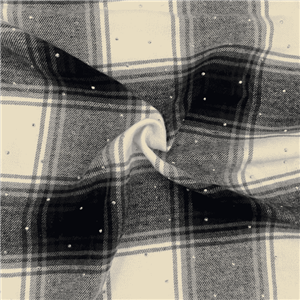
When the seasons change and we re-evaluate our wardrobes and home environments, the fabrics we choose play a vital role in our daily comfort. While we love the cozy warmth of a heavy flannel fabric during the freezing winter months, warmer weather demands a completely different approach to textiles. When moving away from insulating options like flannel fabric, the ultimate debate for comfort, style, and longevity almost always comes down to two historic giants: linen and cotton.
Understanding the nuances of linen vs. cotton is a completely different journey than analyzing a winter-ready flannel fabric. Both materials have dressed humanity for thousands of years, yet they offer distinct tactile experiences, aesthetic vibes, and structural benefits. Choosing between them isn't about finding a universal winner; instead, it depends heavily on your unique lifestyle, local climate, and personal taste in textiles.
What is Cotton? Botanical Source and Core Properties
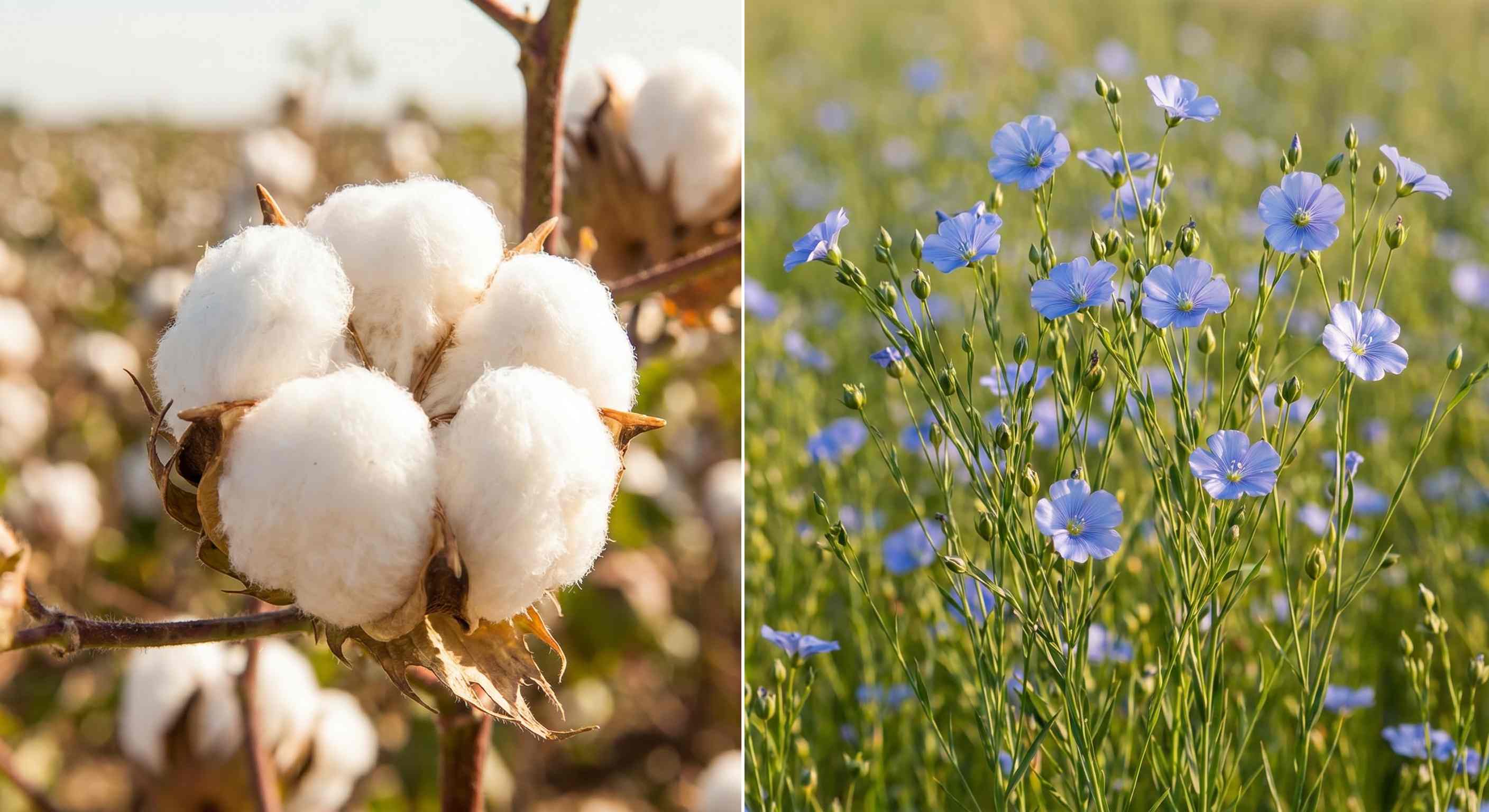
To appreciate the differences in the Linen vs cotton debate, we must first look at where these materials originate. Cotton is a completely natural fiber derived from the fluffy, protective bolls that grow around the seeds of the Gossypium plant. Once harvested, these soft fibers are spun into yarn and woven or knitted into an endless variety of textiles.
Unlike the brushed, fuzzy surface of a traditional flannel fabric, raw cotton is naturally smooth, light, and remarkably versatile. It is undisputed in its status as the world’s most widely used natural fiber. While cotton can certainly be brushed or lofted to create a warm winter flannel fabric, its natural, unbrushed state is celebrated globally for its balanced weight, accessibility, and structural reliability.
What is Linen? Botanical Source and Core Properties
Linen represents a completely different textile philosophy than a cozy flannel fabric or a standard cotton sheet. This ancient material is harvested from the resilient cellulose stalks of the flax plant (Linum usitatissimum). The process of extracting linen fibers from the flax stalk is highly labor-intensive, requiring meticulous pulling, retting, and scutcheon processes to isolate the long, strong strands hidden inside.
Because of this complex production journey, linen boasts a rich historical heritage and has long maintained its status as a luxury, artisanal textile. While you might rely on a heavy flannel fabric for cold nights, linen is historically coveted by royalty and high-end designers for its elegant drape, distinctive textured look, and unmatched structural integrity.
Linen vs. Cotton: Key Similarities (The Natural Connection)
Before diving into their differences, it is important to recognize what makes both of these materials exceptional choices for the conscious consumer. Both linen and cotton are categorized as premium natural fibers. Unlike synthetic alternatives or deeply processed heavy flannel fabric options made from polyester blends, these two textiles are completely plant-based, making them excellent choices for eco-conscious creators.
Furthermore, both materials are inherently biodegradable fibers that break down naturally without leaving harmful microplastics behind. They excel in skin comfort and natural air permeability compared to synthetics. They allow for incredible skin breathability, unlike dense polyester or heavy-duty flannel fabric, ensuring that your skin can breathe easily throughout the day and night.
9 Crucial Differences Between Linen and Cotton Fabric
1. Source and Production: Industrial farming vs. resource-efficient flax cultivating.
When choosing between Linen vs cotton, the production journey is vastly different from manufacturing a standard flannel fabric. Cotton requires significant amounts of water and industrial processing to transform the fluffy bolls into clean yarn. Flax cultivation, on the other hand, is remarkably resource-efficient. Flax grows well in poor soil conditions, requires far less water than cotton, and utilizes almost every part of the plant during production, giving linen an inherently sustainable head start.
2. Fiber Structure and Tensile Strength: Why linen fibers are thicker and stronger than short cotton fibers.
In terms of fabric durability, linen is an absolute powerhouse. Flax fibers are significantly longer and thicker than cotton fibers, resulting in a textile with incredible tensile strength. Standard cotton fibers are shorter and more delicate, which is why they are often spun tightly or brushed to create a fuzzy flannel fabric. This difference in fiber length gives linen an edge in terms of pure fabric durability over standard cotton and common flannel fabric items, making it highly resistant to tearing.
3. Texture, Slubs, and Evolving Hand-Feel: Cotton's initial softness vs. linen’s textured slubs that soften with age.
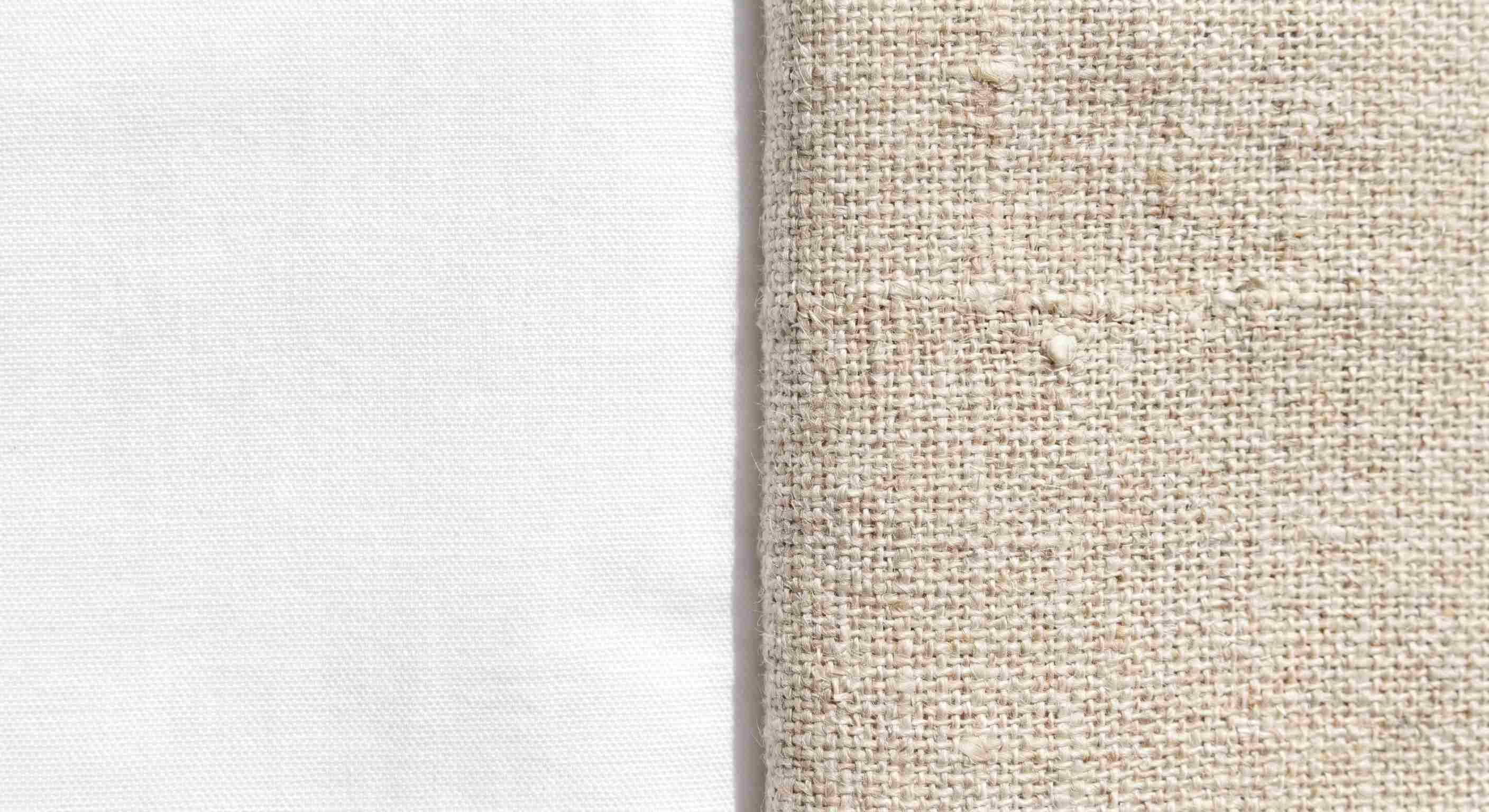
Cotton is universally celebrated for providing an immediate, inviting soft hand-feel. While it doesn't possess the instant napped texture of a double-brushed flannel fabric, it offers a smooth, reliable softness right off the shelf. Linen, on the other hand, features natural imperfections known as "slubs." This texture is the exact opposite of the uniform fuzziness found in a classic flannel fabric. While linen can feel slightly stiff or crisp initially, it undergoes a beautiful transformation, gaining a magnificent soft hand-feel and a beautiful drape with every single wash.
4. Breathability and Moisture-Wicking Abilities: Who wins the ultimate hot-weather crown?
When it comes to crafting high-performance hot weather clothing, breathability is the absolute priority. During a summer heatwave, you would immediately retire your winter flannel fabric wardrobe in favor of these lighter alternatives. While cotton is highly breathable, linen possesses hollow fibers and a looser weave that allows air to flow completely unimpeded. Linen wins the crown for ultimate hot weather clothing, as it absorbs and evaporates moisture rapidly, leaving cotton and insulating flannel fabric far behind.
5. Wrinkling, Shrinkage, and Shape Retention: The crisp nature of cotton vs. the "lived-in" casual wrinkles of linen.
Linen is notorious for its casual, "lived-in" wrinkles, which are considered part of its natural charm. Unlike a thick flannel fabric that naturally hides creases due to its textured nap, pure linen shows folds almost immediately. Cotton offers a crisper, more uniform structure than linen, holding its shape with greater rigidity, though it lacks the heavy, wrinkle-resistant body of a thick flannel fabric. Cotton is also more prone to shrinkage if washed in hot water.
6. Hypoallergenic Properties and Allergy Control: Why linen's natural resistance to bacteria gives it an edge for sensitive skin.
For individuals with sensitive skin or respiratory issues, hypoallergenic properties are crucial. A heavy, fuzzy flannel fabric can sometimes trap dust, pet dander, and lint within its brushed fibers. In the debate of Linen vs cotton, both outperform synthetic alternatives, but linen stays cleaner than a dense flannel fabric. Flax fibers naturally repel dirt and possess antimicrobial properties, making linen highly effective for allergy control.
7. Maintenance, Care, and Longevity: Fabric durability over hundreds of washes.
Long-term maintenance determines the true value of your textile investment. While a typical flannel fabric garment might pill or thin out after repeated cycles in the machine, cotton and linen handle laundering differently. Cotton is incredibly easy to wash but can wear down over time. Linen, conversely, actually improves with age, yielding a higher lifespan and greater fabric durability than most cotton or flannel fabric products when properly maintained.
8. Cost, Budgeting, and Value for Money: Demystifying why linen commands a premium price.
Demystifying the price point is essential for smart shopping. A premium linen sheet will always cost more than a standard cotton sheet or a basic flannel fabric set. The labor-intensive flax harvest, specialized machinery, and limited geographic cultivation drive up the cost of linen, making it a luxury alternative to highly affordable cotton and mass-produced flannel fabric.
9. Environmental Impact and Sustainability: Comparing water footprints and chemical usage.
In the modern realm of sustainable textiles, environmental footprints matter more than ever. Flax requires fewer pesticides and far less water than conventional cotton, though both are cleaner than synthetic flannel fabric options. Choosing organic versions of these natural fibers ensures you are supporting sustainable textiles, just as you would when seeking out organic, eco-friendly flannel fabric.
Exploring the Variations: Sub-types of Cotton and Linen
Essential Cotton Types
Poplin Cotton: A lightweight, plain-weave material with a crisp structure that is perfect for summer shirts. It offers a stark contrast to the heavy, fuzzy structure of a cotton flannel fabric.
Satin Cotton (Sateen): Weave to capture a lustrous, silky sheen and a smooth slip against the skin.
Muslin Cotton: An incredibly fine, open-weave fabric that is highly breathable. Unlike the dense, heat-trapping weave of a flannel fabric, muslin is completely open, airy, and light.
Essential Linen Types
Damask Linen: Features intricate, reversible woven designs created on a specialized loom. This luxury style is highly sought after for formal settings, far removed from the rustic nature of a flannel fabric.
Sheeting Linen: A heavier, perfectly balanced weave designed specifically for durable bed sheets.
Loosely Woven Linen: An ultra-breathable, sheer variety frequently used for window curtains and lightweight summer scarves.
Application Breakdown: What’s Better for Clothing, Bedding, and Home Soft Furnishings?
Fashion & Apparel
When designing hot weather clothing, linen trousers, airy summer dresses, and crisp Poplin cotton shirts are unmatched. You certainly wouldn't reach for a heavy flannel fabric shirt in July; instead, you rely on the moisture management of these lighter fabrics. Cotton provides excellent structure for casual t-shirts and daily denim, while linen offers that effortless, relaxed Riviera aesthetic.
[Summer Wardrobe] ---> Choose Linen or Poplin Cotton (High Air Permeability)
[Winter Wardrobe] ---> Choose Flannel Fabric (High Thermal Insulation)
Bedding & Linens
In the domain of bedding textiles, the choice between Linen vs cotton comes down to sensory preference. Some prefer the immediate, buttery soft hand-feel of high-thread-count cotton sateen, while others want the textured, cool crispness of linen sheets. Neither behaves like a winter-grade flannel fabric. High-quality bedding textiles made from these fibers offer year-round comfort, whereas a flannel fabric sheet is strictly reserved for the coldest months of the year.
Home Textiles
For curtains, towels, and tablecloths, the structural elegance of Damask linen or a sturdy cotton weave outshines a casual flannel fabric drape. Linen curtains filter light beautifully while resisting sun damage, and cotton towels provide the immediate absorbency needed for daily use.
The Best of Both Worlds: Why Consider Linen-Cotton Blends?
If you find yourself torn down the middle of the Linen vs cotton debate, you don't necessarily have to choose just one. Linen-cotton blends offer the absolute best of both worlds. By combining these two distinct natural fibers, textile manufacturers achieve a material with a magnificent soft hand-feel and superb fabric durability.
These Linen-cotton blends mitigate the intense, sharp wrinkling of pure linen while maintaining an airy, texturized quality that a heavy flannel fabric completely lacks. It is an exceptional choice for transitional clothing and casual home upholstery, offering high performance and easy care.
Decision Guide: How to Choose Which is Best For You?
When the seasons shift, your textile needs naturally evolve. While a thick flannel fabric is perfect for December, your warmer choices require a detailed look at your specific priorities:
Feature | Cotton Fabric | Linen Fabric |
Primary Benefit | Immediate soft hand-feel | Maximum breathability |
Wrinkle Profile | Minimal to moderate | High (Lived-in aesthetic) |
Price Range | Budget-friendly to moderate | Premium / Luxury investment |
Best Season | Year-round versatility | Ultimate summer comfort |
Choose Cotton if: You want an immediate soft hand-feel, low-maintenance care, and a smooth finish without the premium cost of linen or the intense heat of a flannel fabric.
Choose Linen if: You prioritize maximum airflow, long-term fabric durability, eco-friendly production, and a sophisticated, textured appearance.
Frequently Asked Questions (FAQs)
1. Is linen more breathable than 100% cotton?
Yes, linen features naturally thicker fibers and a looser weave structure, resulting in superior air permeability. It is the complete antithesis of an insulating, tightly brushed flannel fabric.
2. Why is linen itchy when new, and how do I fix it?
New flax fibers contain natural pectin, which can feel crisp or slightly stiff initially. Washing the fabric with a cup of baking soda or simply using it over time will break down this pectin, yielding a beautiful soft hand-feel.
3. Does linen shrink more than cotton fabric?
Linen can shrink during its first wash if exposed to high temperatures, much like a delicate cotton flannel fabric garment. Always wash your high-quality natural textiles in cool or lukewarm water and air dry when possible.
Conclusion: The Final Verdict on the Linen vs. Cotton Debate
Ultimately, the linen vs. cotton debate celebrates the beauty and versatility of natural fibers. While a heavy flannel fabric will always hold a special, comforting place in our winter wardrobes, our warmer seasons thrive on lighter selections. Embracing Linen-cotton blends, crisp Poplin cotton, or heritage Damask linen allows you to curate an eco-friendly, comfortable lifestyle using sustainable textiles. Leave the cozy flannel fabric for the frost, and choose the perfect plant-based weave to keep your environment fresh, breathable, and timelessly stylish all year long.