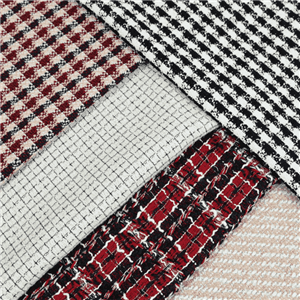
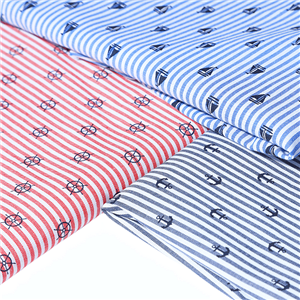
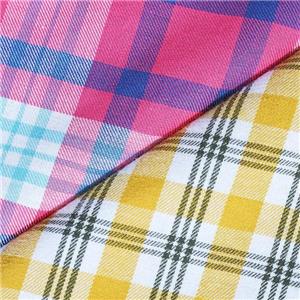
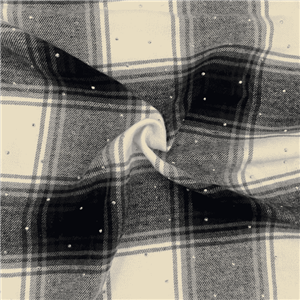
What is Cotton Woven Fabric?
When exploring the vast world of textiles, few materials can match the sheer ubiquity, versatility, and structural integrity of cotton woven fabric. From the crisp poplin button-down shirt hanging in your closet to the heavy-duty canvas tote bag you use for groceries, this material forms the literal fabric of our daily lives. While we often celebrate winter essentials like cozy flannel fabric for its warmth, cotton woven fabric acts as the foundational cornerstone for almost every season, crafting style, and home textile application imaginable.
Whether you are an aspiring designer, an enthusiast of sewing and quilting, or a conscious consumer looking to understand your wardrobe better, understanding the technical anatomy of this structural wonder is essential. In this guide, we will dive deep into what makes cotton woven fabric unique, how it differs from other textile structures, and why it remains an undefeated favorite across the global textile market.
Understanding Cotton Woven Fabric: The Core Anatomy
To truly grasp the value of cotton woven fabric, one must look closely at its physical construction. The term "woven" doesn't describe the fiber itself—which is gathered from the soft, fluffy bolls of the cotton plant—but rather the mechanical method used to turn those spun fibers into an interconnected sheet of cloth.
What Separates a Woven Fabric from Other Textiles?
The primary differentiator of a cotton woven fabric is its rigid, intersecting architecture. Unlike non-woven materials (which are bonded together chemically or thermally) or knitted materials (which rely on interconnected loops), a woven textile is built by interlacing threads over and under one another. This geometric locking mechanism provides the material with exceptional structural stability, preventing it from pulling out of shape under normal tension.
The Fundamental Mechanics: Warp and Weft
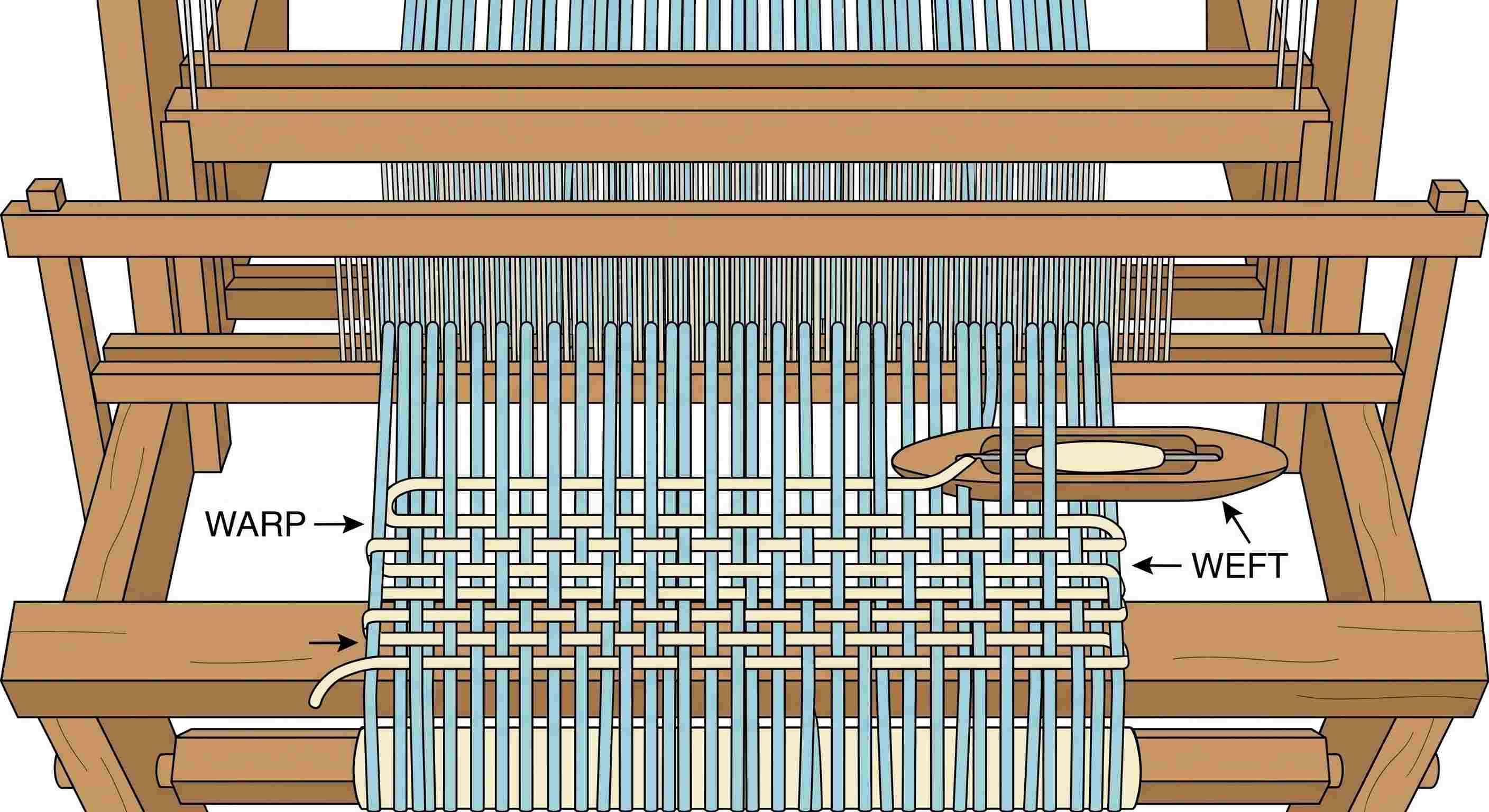
The creation of cotton woven fabric relies entirely on the timeless mechanics of loom weaving. Every piece of woven cloth is made by interlacing two distinct sets of threads at perfect right angles to each other:
The Warp: These are the vertical threads that are held under high tension lengthwise across the weaving loom. They act as the structural backbone of the material.
The Weft: These are the horizontal threads (also known as the filling yarns) that are carried back and forth, woven over and under the stationary warp threads.
The rhythmic pattern in which the warp and weft cross each other determines the final texture, weight, appearance, and physical performance of the cotton woven fabric.
Woven vs. Knit Cotton: The Ultimate Structural Showdown
In the apparel world, consumers frequently find themselves choosing between woven cotton and knitted cotton (such as jersey). While both can be made from 100% pure cotton, they possess entirely different physical properties due to their structural engineering.
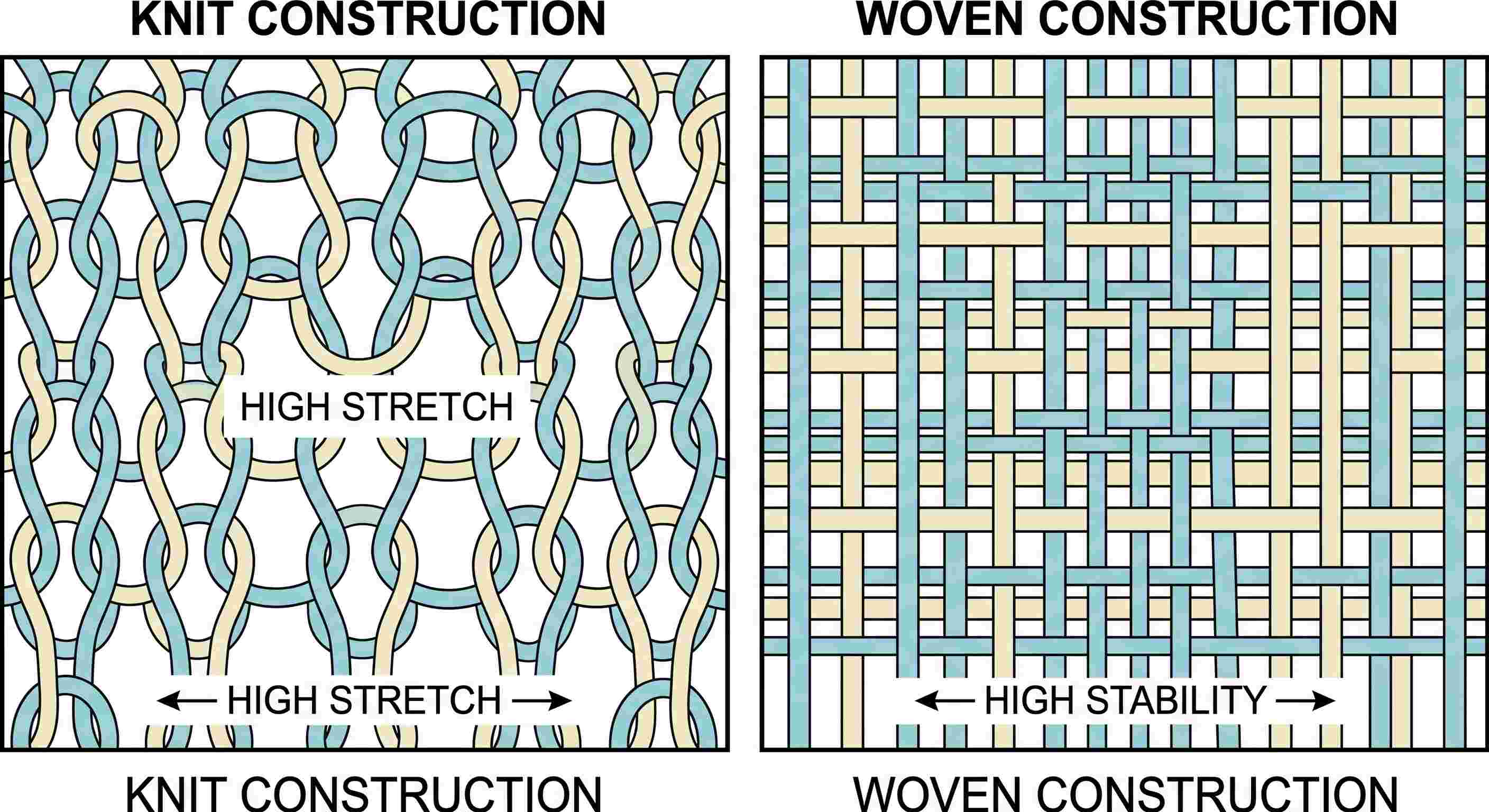
[Knit Construction] ---> Interlocking Loops ---> High Stretch (T-shirts/Activewear)
[Woven Construction] ---> Right Angle Grid ---> High Stability (Button-downs/Chinos)
The Elasticity Factor
The most obvious difference between the two lies in stretch factor and elasticity. Knit cotton is made of rows of continuous interlocking loops, which act like tiny springs. This allows knit garments to stretch dramatically and conform closely to the contours of the body. Conversely, cotton woven fabric features a tight grid of intersecting straight threads, meaning it holds its shape with minimal inherent stretch unless elastic fibers like spandex are intentionally added to the mix.
Dimensional Stability
Because of its interlaced grid, cotton woven fabric exhibits superb dimensional stability. This means that when you pull, wash, or cut the material, it resists warping, bowing, or stretching out of true alignment. This high level of structural predictability is precisely why it is significantly easier to handle during sewing and quilting projects than slippery, curling knit fabrics.
Breathability and Longevity Comparison
Both structures offer excellent comfort, but they handle airflow and wear differently. A woven cotton item acts as a highly breathable textile because the natural spaces between the crossing warp and weft threads allow air to escape seamlessly. In terms of longevity, a high-quality cotton woven fabric is much less prone to snagging or developing holes than a knit item, as a single broken thread will not cause the entire textile structure to unravel.
The Three Fundamental Weave Structures of Woven Cotton
The manner in which the loom arranges the warp and weft threads breaks down into three classic, foundational weave categories.
1. Plain Weave
The plain weave is the simplest, most historic, and most common pattern used to create cotton woven fabric. It follows a strict "one over, one under" interlacing sequence. This balanced structure produces a flat, uniform, and reversible surface. Iconic examples of plain-weave cotton include crisp poplin, ultra-fine cotton lawn, and lightweight muslin.
2. Twill Weave
A twill weave is characterized by a distinct diagonal ribbing or patterning across the surface of the cloth. This is achieved by stepping the weft thread over multiple warp threads in a staggered progression. The diagonal alignment makes a twill-based cotton woven fabric incredibly dense, heavy, and resilient against heavy abrasion. Classic examples of cotton twill include rugged denim, sturdy gabardine, and durable workwear fabrics.
3. Satin Weave (Sateen)
When cotton fibers are woven using a satin structure, the resulting textile is technically called "sateen." This structure minimizes the number of thread intersections by allowing long "floats" of warp or weft yarns to pass over the surface before dipping underneath. This technique creates an exceptionally smooth, lustrous, and luxurious sheen that reflects light elegantly, making it a favorite for high-end bed sheets and evening wear.
Popular Varieties of Cotton Woven Fabrics and Their Weights
To choose the right material for your next design project, it helps to classify cotton woven fabric by its physical weight and density.
Lightweight Varieties
Voile: A sheer, gossamer-like material that drapes beautifully.
Cambric: A closely woven, smooth fabric that is treated to give it a slight gloss.
Cotton Lawn: A fine, high-thread-count plain weave that uses fine combed yarns to create a silky, un-textured surface. It is highly valued as a cool, breathable textile for delicate summer blouses and premium linings.
Mediumweight Varieties
Quilting Cotton: A sturdy, reliable plain-weave cloth engineered specifically for the crafting market. It holds vibrant dyes beautifully and maintains excellent structure.
Broadcloth: A dense, tightly woven fabric with a very fine rib texture.
Poplin: A durable, crisp plain weave featuring a slightly heavier horizontal weft yarn, making it the absolute hero for everyday professional shirting and casual summer wear.
Heavyweight Varieties
Canvas Fabric: An incredibly tough, tightly woven material designed for heavy-duty protection.
Denim: A heavyweight twill weave using dyed warp and white weft threads to achieve its iconic rugged aesthetic.
Duck Cloth: A smooth, heavy plain weave that is highly resistant to wind and wear, making it a staple for utility clothing, sails, and rustic home upholstery.
Key Benefits: Why Cotton Woven Fabric Dominates
The enduring popularity of cotton woven fabric across both the apparel and craft industries is driven by a unique set of inherent material advantages.
High Tensile Strength: Because the cotton fibers are locked into a tight perpendicular matrix, the fabric offers magnificent resistance to tearing, pulling, and stretching under daily physical tension.
Excellent Breathability: As a completely natural fiber combined with an airy interlaced structure, it stands out as an exceptional breathable textile. It easily facilitates natural air circulation and draws moisture away from the skin, ensuring peak comfort in warm conditions.
Ease of Sewing: Unlike slippery silks, thick winter flannel fabric, or unpredictable knits, the rigid, flat architecture of cotton woven fabric ensures it behaves perfectly under a sewing machine needle. It lays flat, cuts accurately, and presses beautifully, making it the ideal entry point for beginners learning the craft of tailoring.
Common Applications: From Quilts to High Fashion
Fashion & Apparel
In the clothing industry, cotton woven fabric provides the crisp tailoring needed for professional, polished looks. It is utilized heavily for structured dresses, sharp office shirts made from high-grade poplin, lightweight summer clothing using cotton lawn, and durable outerwear built from heavy canvas.
Quilting & Crafting
For generations of artisans, high-quality quilting cotton has served as the undisputed gold standard for patchworks, home crafts, and creative sewing patterns. Its stability ensures that complex geometric shapes sewn together in a quilt remain perfectly square and structurally sound over decades of use and machine washing.
Home Furnishings
Beyond our closets, cotton woven fabric populates our living spaces. It forms the smooth, welcoming surface of breathable bed sheets, the heavy-duty body of formal tablecloths, and the protective, durable drapery hanging over our windows.
How to Identify Genuine 100% Cotton Woven Fabric
With synthetic blends flooding the modern marketplace, it is important to be able to verify whether your material is truly made of 100% pure cotton.
The Burn Test
The most definitive method to identify pure cotton is a controlled burn test. Take a tiny snippet of the fabric threads using tweezers and expose it to a small flame. 100% pure cotton will burn with a steady yellow flame, smell distinctly like burning paper or leaves, and leave behind a soft, easily crushable gray ash. If the sample melts, shrivels, forms a hard black bead, or smells chemically sweet, it contains synthetic fibers like polyester.
The Touch and Crease Test
You can also analyze its physical drape and behavior. Pure cotton woven fabric will feel naturally warm and slightly soft to the touch, without the cool, slick synthetic glide of polyester. Furthermore, if you firmly pinch and crease the fabric between your fingers for a few seconds, pure cotton will hold a sharp, distinct crease, highlighting its natural memory and lack of synthetic resilience.
Tips for Sewing and Working with Woven Cotton
To achieve professional results during your next sewing and quilting session, keep these essential textile rules in mind.
Managing Edge Fraying
Because a cotton woven fabric is made of interlaced horizontal and vertical threads, any raw, exposed cut edge will naturally begin to shed threads and fray over time. To ensure your seams don't pull apart in the wash, it is critical to finish your edges properly using a serger machine, pinking shears, or clean French seams to encase the loose threads safely.
The Pre-Washing Rule
Natural cotton fibers are prone to shrinking during their first exposure to hot water and tumble drying. To protect your hard work, always pre-wash your cotton woven fabric using the same temperature settings you plan to use for the finished product before cutting into your patterns. This ensures your tailored clothing or quilts maintain their exact dimensions down the line.
Conclusion: Why Woven Cotton Remains a Textile Cornerstone
From its roots on traditional wooden looms to modern computer-guided manufacturing plants, cotton woven fabric has firmly secured its position as the ultimate versatile textile. While heavy flannel fabric keeps us warm when the temperature drops, the reliable, structured nature of woven cotton ensures we have breathable, durable, and beautiful options for every other day of the year.
By understanding the intricate relationship between the warp and weft, recognizing the performance differences of poplin and cotton lawn, and respecting the rules of sewing and quilting, you can unleash the full potential of this magnificent material. Cotton woven fabric is far more than just a basic utility cloth; it is an enduring celebration of human craftsmanship, structural physics, and timeless style.