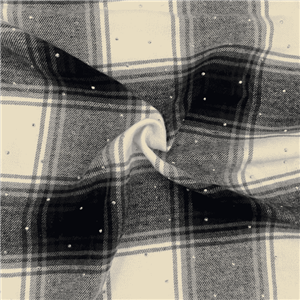
What is Yarn Dyed Cotton Fabric?
In the diverse world of high-quality textiles, the term yarn dyed cotton fabricrepresents the pinnacle of craftsmanship and durability. Whether you are browsing high-end fashion boutiques or sourcing materials for home decor, you have likely encountered this material without realizing the technical complexity behind its creation. While many consumers are familiar with the cozy, brushed texture of flannel fabric, which is often yarn-dyed itself, yarn dyed cotton fabric covers a much broader spectrum of styles, from crisp office shirts to breathable summer dresses.
Understanding the difference between a printed cotton fabric and a genuine yarn dyed cotton fabric is essential for anyone who values longevity and aesthetic depth. In this guide, we will explore why this "dye first" method is preferred in the apparel industry and how it compares to other heavyweights like flannel fabric.
Defining Yarn Dyed Cotton: The "Dye First, Weave Later" Philosophy
The fundamental characteristic of yarn dyed cotton fabric is found in its name: the yarns are dyed before they are woven into cloth. This is a stark departure from piece-dyed cotton, where the fabric is woven in its natural "greige" state and then submerged in a dye bath as a completed roll.
Coloring the yarn before it hits the loom
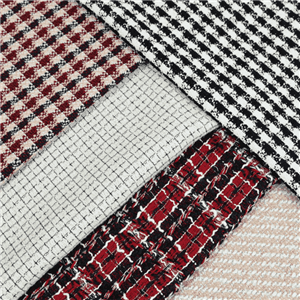
In the production of yarn dyed cotton fabric, individual threads are saturated with pigment at the yarn stage. This means the color penetrates the core of the fiber, unlike printed cotton fabric, where the design is only applied to the surface. By using pre-dyed yarns, manufacturers can create intricate woven patterns that are structurally part of the cloth. This is the same principle that gives a high-quality flannel fabric its rich, multi-toned appearance.
Why "Cotton" is the perfect canvas
Cotton is an ideal fiber for the yarn-dyeing process due to its high absorbency. It holds pre-dyed yarns exceptionally well, ensuring that the colorfastness is superior to synthetic alternatives. When compared to the fuzzy surface of flannel fabric, the smooth surface of standard yarn-dyed cotton allows for extremely sharp and precise woven patterns, such as fine stripes and micro-checks.
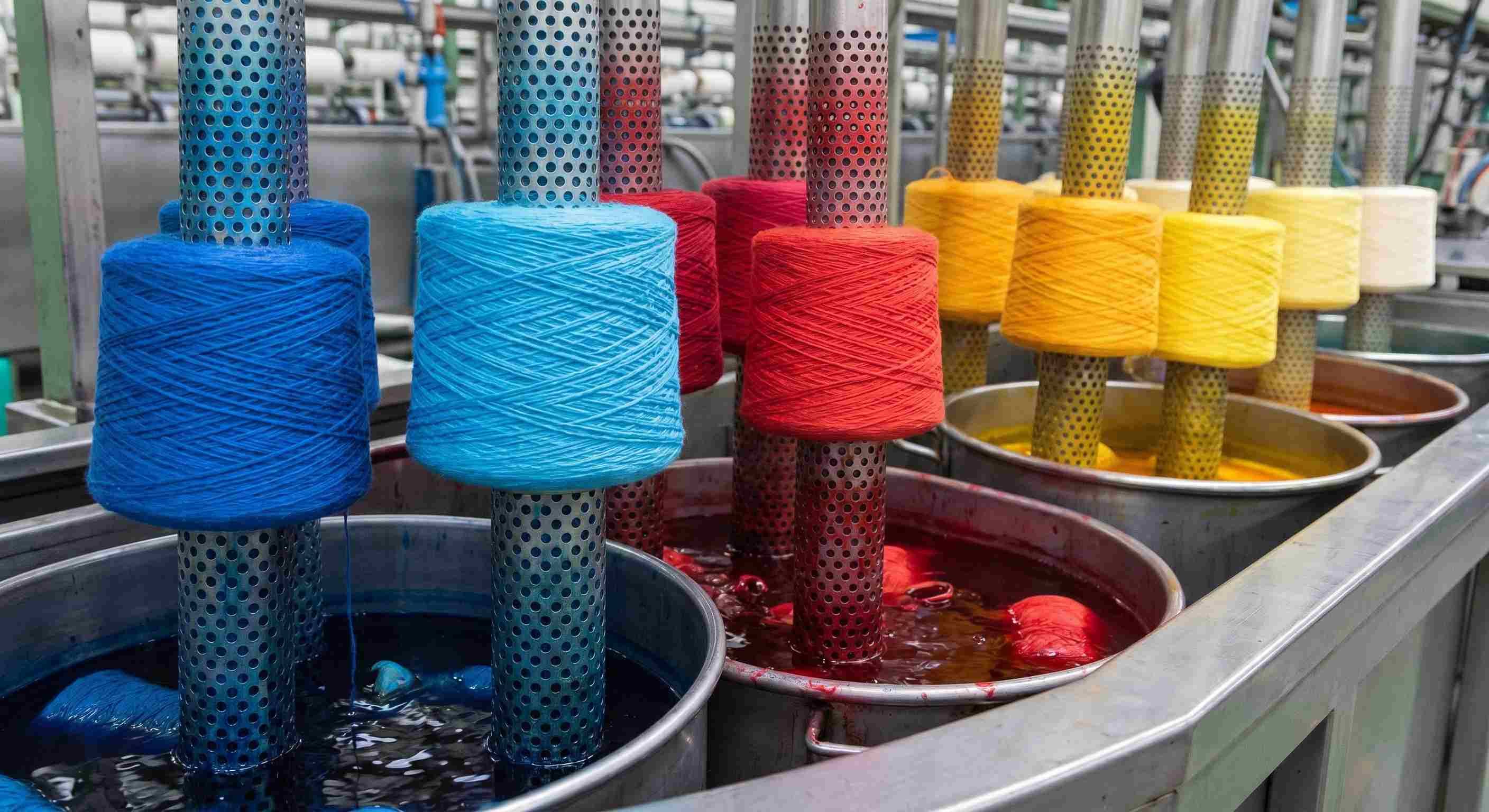
The Production Journey: How Yarn Dyed Cotton is Made
The creation of yarn dyed cotton fabric is a multi-step process that requires significant planning and precision, much like the production of a high-end flannel fabric.
Step 1: Yarn Preparation & Dyeing
The journey begins with raw cotton being spun into yarns. These yarns are then dyed using one of two primary methods:
Package Dyeing: The yarn is wound onto perforated tubes and placed in a pressurized tank where the dye is forced through the "package."
Beam Dyeing: Thousands of yarns are wound onto a giant beam and dyed simultaneously, ensuring uniform colorfastness across the entire batch.
Step 2: The Weaving Stage
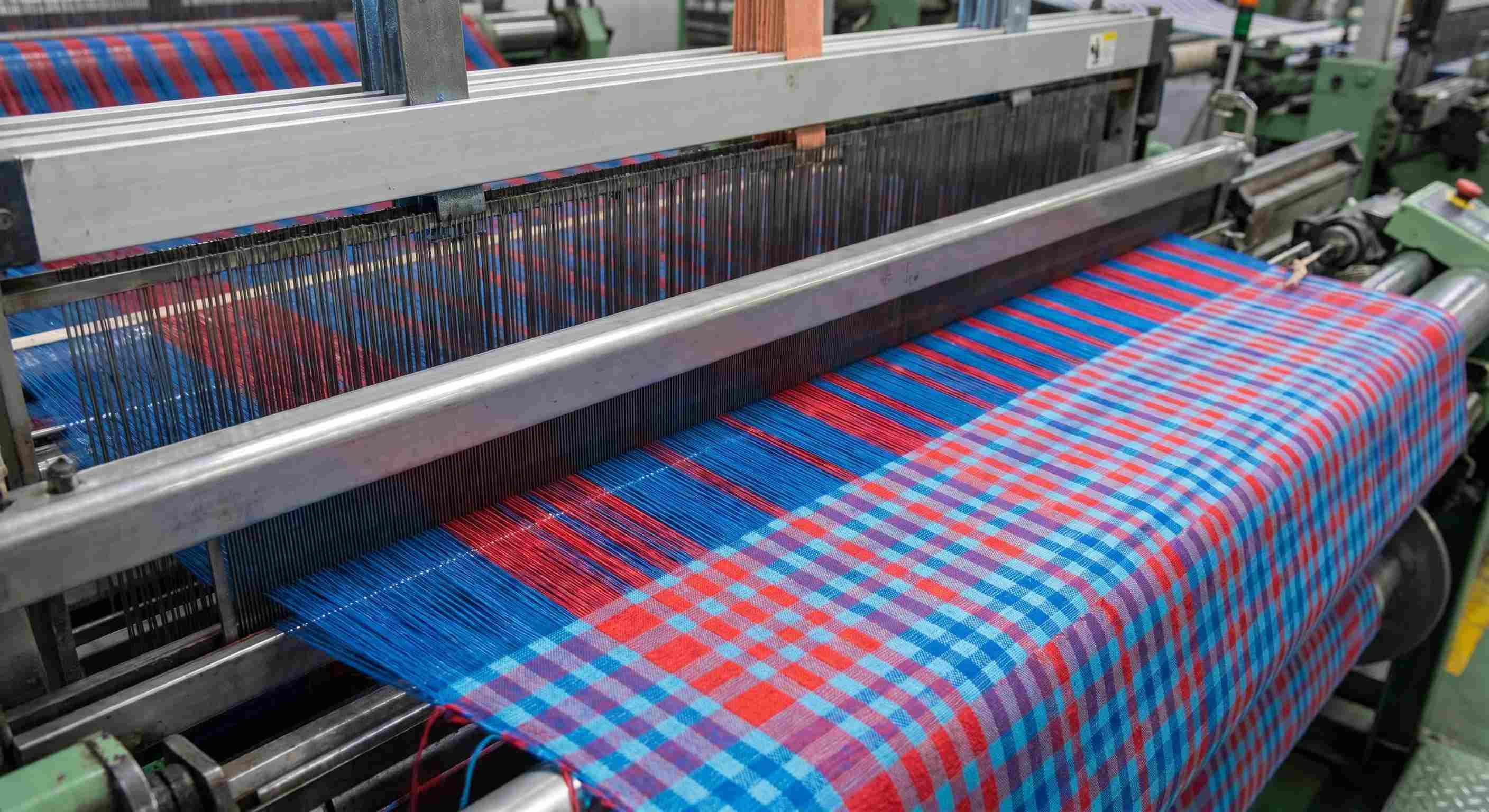
Once the pre-dyed yarns are ready, they are loaded onto the loom. This is where the magic happens. The interlacing of colored warp and weft threads creates the design. Because the pattern is woven into the fabric structure, it is much more durable than the patterns found on a printed cotton fabric. Even a heavy flannel fabric relies on this precise warp and weft coordination to achieve its signature plaid look.
Step 3: Finishing Processes
After weaving, the yarn dyed cotton fabric undergoes finishing to stabilize the weave and enhance the hand-feel. While a flannel fabric would be brushed at this stage to create a nap, standard yarn-dyed cotton is often singed or mercerized to create a smooth, lustrous finish that highlights the woven patterns.
Why Choose Yarn Dyed Cotton? 5 Key Benefits
For those deciding between piece-dyed cotton and yarn dyed cotton fabric, the benefits of the latter are undeniable, particularly when compared to the performance of a high-quality flannel fabric.
Unmatched Colorfastness
Because the pre-dyed yarns are fully saturated, yarn dyed cotton fabric is incredibly fade-resistant. Unlike printed cotton fabric, which can show white streaks when the fibers are pulled apart, the color in yarn-dyed cloth goes all the way through. This ensures the garment remains vibrant much longer than a piece-dyed cotton item.
Sophisticated Visual Depth
Interweaving different colored warp and weft threads creates a 3D effect. In a flannel fabric, this depth is what creates the cozy, rustic vibe. In lighter yarn dyed cotton fabric, it results in an elegant "heathered" or "chambray" look that printed cotton fabric simply cannot replicate.
Premium Durability
The process of yarn dyeing and subsequent weaving actually strengthens the fabric structure. A yarn dyed cotton fabric typically has a higher tensile strength than a printed cotton fabric, similar to the rugged durability we associate with a heavy flannel fabric.
Breathability and Comfort
Because there are no heavy pigments or inks blocking the pores of the fabric (as seen in some printed cotton fabric), the yarn dyed cotton fabric remains highly breathable. It maintains the natural air permeability of cotton, making it just as comfortable as a soft flannel fabric.
Reversibility
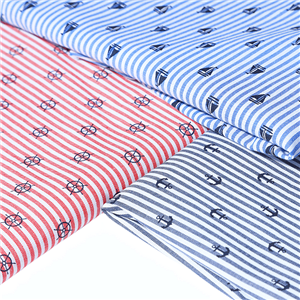
One of the most practical benefits of yarn dyed cotton fabric is that it is often a reversible fabric. Since the pattern is woven through the warp and weft, the design is visible on both sides. This is a major advantage over printed cotton fabric, which usually has a plain, un-designed back.
Yarn Dyed vs. Piece Dyed vs. Printed Cotton: A Comparison Table
Feature | Yarn Dyed Cotton Fabric | Piece-Dyed Cotton | Printed Cotton Fabric |
Color Method | Dyeing pre-dyed yarns | Dyeing the finished roll | Surface application |
Pattern Type | Woven patterns | Solid colors only | Surface designs |
Durability | High (Like flannel fabric) | Medium | Lower |
Reversibility | Yes (Reversible fabric) | Solid color both sides | No (Single sided) |
Cost | Premium | Moderate | Economical |
In the apparel industry, yarn dyed cotton fabric is considered a luxury choice because the production time is longer and the minimum order quantities are often higher than for piece-dyed cotton.
Iconic Varieties of Yarn Dyed Cotton Fabrics
Gingham
Gingham is perhaps the most famous yarn dyed cotton fabric. Characterized by its even, two-tone checks, it relies on the perfect intersection of colored and white warp and weft threads. It is frequently compared to the checkered patterns of a flannel fabric.
Chambray
Chambray uses a colored warp and a white weft. While it looks like denim, it is much lighter and more breathable. Like a lightweight flannel fabric, it offers a relaxed, textured aesthetic.
Seersucker
Seersucker is a unique yarn dyed cotton fabric that uses slack-tension weaving to create a puckered texture. This texture, combined with pre-dyed yarns, makes it a summer staple that is even more breathable than a typical flannel fabric.
Oxford Fabric
Oxford fabric uses a basketweave where multiple yarns are bundled together. This creates a structured, durable fabric structure that is a favorite in the apparel industry for formal shirting. While it lacks the nap of a flannel fabric, it offers a similar sense of substance.
Madras
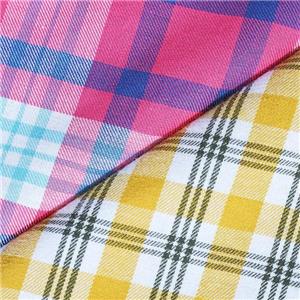
A vibrant, multi-colored plaid originating from India. Madras is essentially the tropical version of a flannel fabric, using complex woven patterns to create bold, summery looks.
How to Identify Genuine Yarn Dyed Cotton Fabric
To ensure you aren't paying a premium for a printed cotton fabric disguised as yarn-dyed, use these tests:
The Unraveling Test: Pull a single thread from the edge of the cloth. In yarn dyed cotton fabric, that individual thread should be a solid, consistent color. In a printed cotton fabric, the thread may be white or blotchy.
Front vs. Back: Check if it is a reversible fabric. If the pattern is only on one side, it isn't yarn-dyed. A high-quality flannel fabric and yarn-dyed cotton will always show the pattern on both sides.
Modern Applications and Sustainability
In the apparel industry, yarn dyed cotton fabric is the backbone of high-end collections. Beyond fashion, it is a staple for home textiles, where its colorfastness makes it ideal for premium duvet covers—often used as a breathable alternative to a heavy flannel fabric in warmer climates.
From an environmental perspective, the longevity of yarn dyed cotton fabric promotes sustainable consumption. Because it doesn't fade like piece-dyed cotton or printed cotton fabric, consumers keep the garments longer. Furthermore, many mills producing yarn dyed cotton fabric are now incorporating pre-dyed yarns made from organic cotton, mirroring the sustainable trends seen in the flannel fabric market.
Conclusion: Why Yarn Dyed Cotton is a Worthwhile Investment
Choosing yarn dyed cotton fabric is an investment in quality. Its superior colorfastness, intricate fabric structure, and the charm of its woven patterns set it apart from cheaper alternatives. While we may always love the warmth of a flannel fabric in the winter, yarn dyed cotton fabric provides that same level of structural integrity and aesthetic richness for every other season. By prioritizing pre-dyed yarns and reversible fabric construction, you ensure that your wardrobe remains vibrant, durable, and timelessly stylish. Whether it's a crisp Oxford fabric shirt or a playful Gingham dress, the "dye first" philosophy remains the gold standard of the textile world.